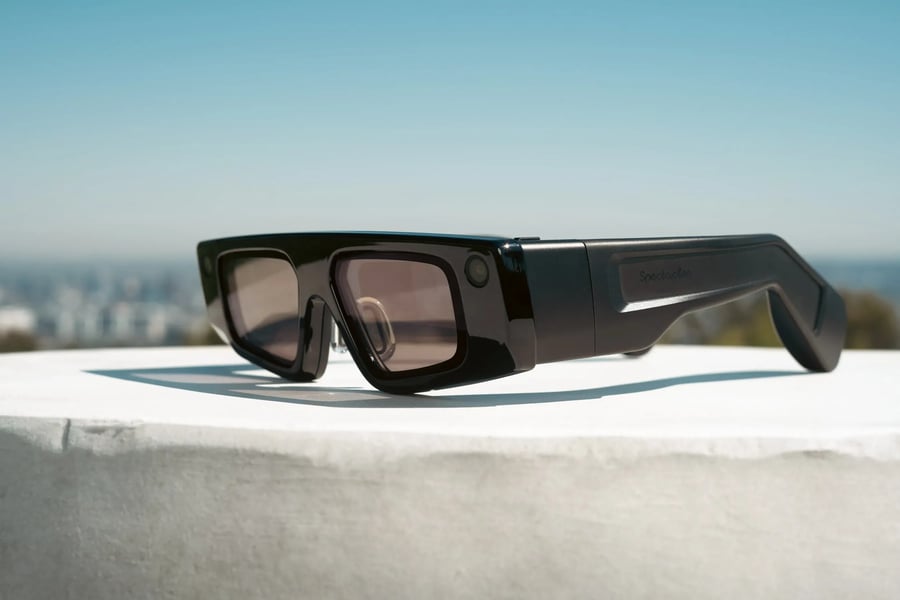

Snap has officially entered the consumer augmented reality hardware market with the launch of Specs, a new pair of AI-powered smart glasses priced at $2,195, marking the company’s most ambitious attempt yet to move beyond smartphones and reshape how people interact with technology. The announcement was made at the Augmented World Expo (AWE) 2026, where Snap CEO Evan Spiegel presented the device as a wearable computer built for the artificial intelligence era.
The launch represents a defining moment for the Snapchat parent company, which has spent more than a decade developing augmented reality glasses technology and billions of dollars building hardware capable of bringing digital experiences into the physical world. While competitors such as Meta and Apple have dominated headlines in the wearable technology space, Snap is betting that its years of investment will finally pay off with a consumer product designed to bridge the gap between smartphones and next-generation computing.
Unlike traditional smart glasses that rely heavily on smartphones, Specs are fully standalone devices. The glasses feature dual onboard processors, integrated displays capable of showing millions of colors, hand-tracking technology, and built-in artificial intelligence capabilities. Users can interact with digital content layered onto the real world without requiring a separate battery pack or tethered connection.
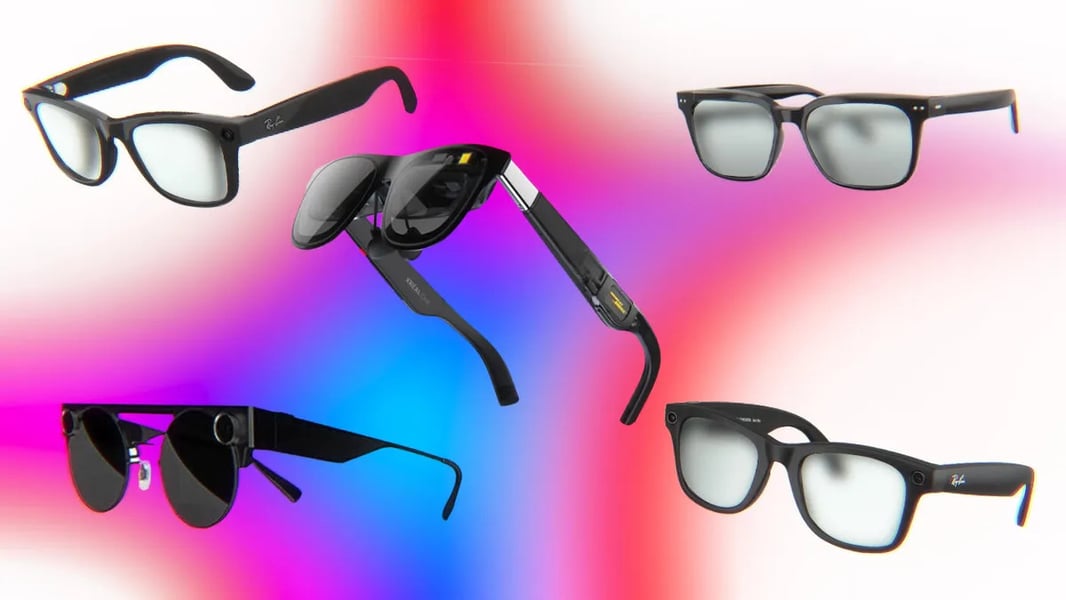
The device arrives at a time when the technology industry is increasingly focused on AI-powered hardware. Meta smart glasses have generated growing interest, while Apple continues to invest in spatial computing following the launch of Vision Pro. Snap’s strategy differs by combining artificial intelligence and augmented reality into a lightweight glasses form factor rather than a full headset.
For Evan Spiegel, the launch is more than just a product announcement. The Snap co-founder has repeatedly argued that the future of computing will extend beyond smartphone screens and into wearable devices that seamlessly blend digital and physical experiences. Speaking around the launch, Spiegel described Specs as a long-term investment and pushed back against criticism from activist investors who have questioned the company’s spending on hardware development.
Investor concerns have intensified in recent years as Snap devoted significant resources to augmented reality projects while facing challenges in its core advertising business. Activist investor Irenic Capital Management previously urged the company to reconsider its hardware strategy, arguing that billions of dollars had already been spent on developing AR glasses. Despite the pressure, Spiegel has maintained that long-term innovation remains central to Snap’s future growth strategy.
The company has also reorganized its hardware operations in preparation for this next phase. Earlier this year, Snap established a separate subsidiary focused on Specs, a move widely viewed as creating additional flexibility for future partnerships and investment opportunities while preserving the company’s commitment to wearable computing.
From a technical perspective, Specs represent the culmination of multiple generations of Spectacles development. Previous versions were largely limited to developers and early adopters, allowing Snap to refine its operating system, augmented reality experiences, and AI integrations before launching a mass-market product. The company has built a large ecosystem of AR creators over the years, with hundreds of thousands of developers contributing millions of AR experiences that could eventually support the new platform.
The pricing, however, places Specs firmly in the premium segment of the market. At $2,195, the glasses cost significantly more than mainstream smart glasses but are positioned as a more compact and socially acceptable alternative to larger mixed-reality headsets. Snap appears to be targeting early adopters, developers, technology enthusiasts, and professionals interested in spatial computing rather than mass-market consumers at launch. Detailed specifications released alongside the consumer product reveal the company’s emphasis on immersive experiences and AI-driven interactions.
Whether consumers are ready to embrace AI glasses remains one of the biggest questions facing the industry. Previous attempts by technology companies to popularize smart eyewear have struggled with pricing, battery life, design limitations, and privacy concerns. Yet advances in artificial intelligence have renewed industry optimism that wearable devices can finally deliver compelling everyday experiences.
For Snap, the stakes could not be higher. The company is challenging far larger rivals while attempting to establish itself as a leader in the emerging AI hardware market. If Specs succeeds, Snap could secure a significant position in what many executives believe will be the next major computing platform. If it fails, critics will likely point to the years of investment already committed to a vision that has yet to achieve mainstream adoption.
As shipments are expected to begin later this year in select markets, the launch of Specs may provide the clearest indication yet of whether consumers are prepared to move beyond smartphones and into an era defined by artificial intelligence, augmented reality, and wearable computing.