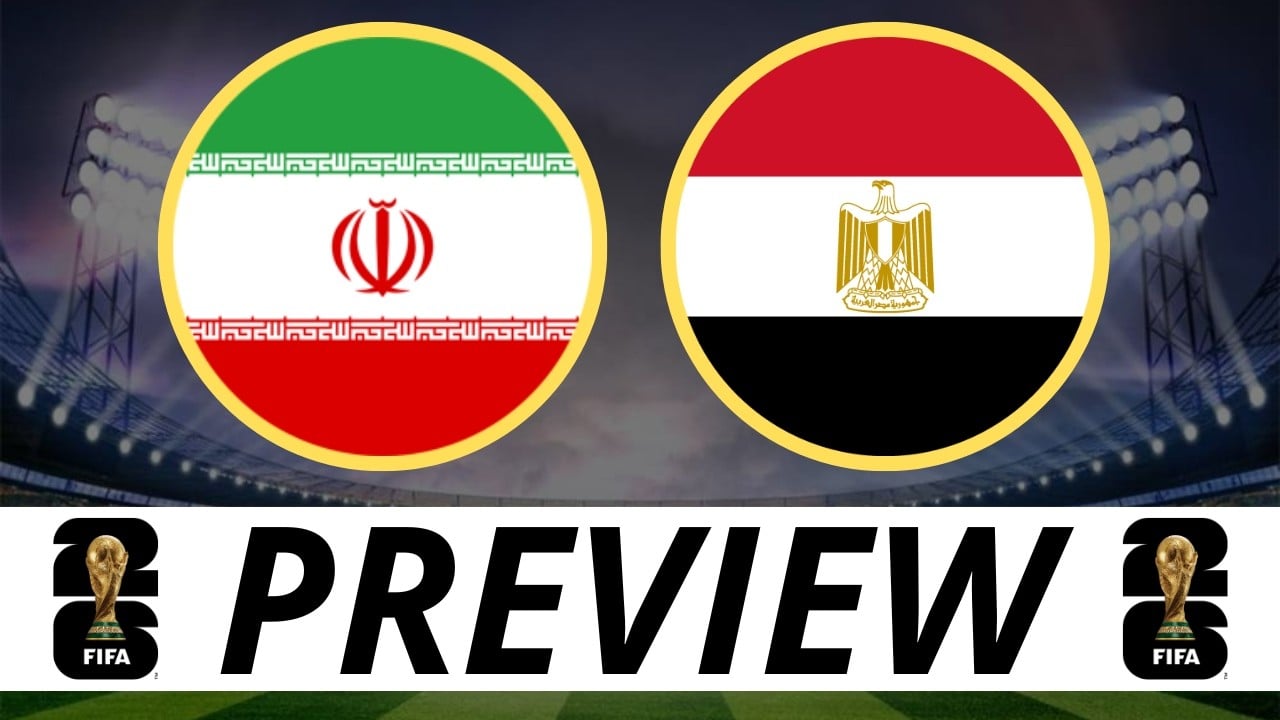

SEATTLE — On Friday morning, Hossam Hassan said something no other coach at this World Cup had bothered to say. Egypt’s manager told reporters that all teams at the tournament deserve equal treatment, that every participating nation has the right to be here, that FIFA’s founding promise is one of respect and fair play. The answer was crafted to sound unremarkable. In the context of the 2026 World Cup, it was the most direct acknowledgement of Iran’s situation that has come from any opposing dugout.
The team Hassan was defending plays tonight at Lumen Field in the decisive match of Group G.
Iran arrives in Seattle with two draws from two matches: a 2-2 comeback against New Zealand in Los Angeles and a goalless stalemate with Belgium in Vancouver. Four points separate three teams in a group that will resolve simultaneously tonight: Egypt on four, Iran and Belgium tied on two, New Zealand on one after a 3-1 loss. A draw is enough for Egypt to advance as group winners. Iran need a win. The standings are simple. The conditions surrounding the match are not.
For the New Zealand game, Iran cleared US immigration and reached the stadium with less than 24 hours on American soil. The charter flight covering the 127-mile route from their Tijuana base camp to Los Angeles took five hours. For the Belgium match in Vancouver, the logistics improved marginally. This week, for the first time since the tournament began, the US Department of Homeland Security permitted Iran to arrive two days before a match, the minimum window that other World Cup squads treat as standard. They are required to leave the day the game ends.
Amir Ghalenoei, Iran’s head coach, has not softened his assessment of what six weeks of those conditions have cost. ESPN reported his words this week: “This was our right, which we should have had in the two previous games, but they deprived us of the right to arrive on time.” The unspoken referent (who “they” are) needs no clarification in a tournament co-hosted by a government that signed a ceasefire memorandum of understanding with Iran barely ten days ago. The end of hostilities, it appears, did not extend to World Cup preparation time.
The treatment of Iran’s team and supporters has been documented across the tournament’s opening weeks. The United States revoked Iran’s fan ticket allocation before the tournament had kicked a ball, stripping the federation of the 8 percent of match seats FIFA guarantees every competing nation. The squad arrived at LAX wearing Minab memorial pins, bearing the number 168, the children killed when a US missile struck their school. After the New Zealand draw, players and coaching staff protested their forced removal from US soil before the locker room lights had gone off. The Washington government has provided a host’s hospitality to 47 competing nations. The 48th has experienced something else.
Into this backdrop, Hassan’s pre-match comments land differently than a routine show of sportsmanship. The Egypt coach needed to say nothing about Iran’s treatment to prepare his team for a decisive Group G match. He said it anyway. Al Jazeera reported that Hassan expressed respect for all teams with a right to be at the World Cup and emphasised that equal treatment was not a courtesy but a requirement under FIFA’s own framework. Whether those words carry weight in the FIFA executive committee is a different question.
The stadium itself arrives tonight carrying a third conversation. Seattle PrideFest designated June 26 as Pride Match Day months before the World Cup draw, before anyone knew which sides would occupy Lumen Field. When the bracket placed two Muslim-majority nations whose football federations share formal objections to public LGBTQ+ advocacy in a stadium scheduled for PrideFest weekend, the coincidence produced one of the tournament’s more unusual arrangements. Iran’s federation sent FIFA a formal letter asking it to prevent “ceremonies or promotional activities” supporting the LGBTQ+ community, as well as symbols and representations of the Pride movement inside the ground. Egypt’s federation sent its own letter categorically rejecting “any activities related to supporting homosexuality during the match.” FIFA president Gianni Infantino clarified there would be no “Pride Match” at the FIFA World Cup, only a football match in Seattle. Rainbow flags remain permitted under the tournament’s stadium code of conduct.
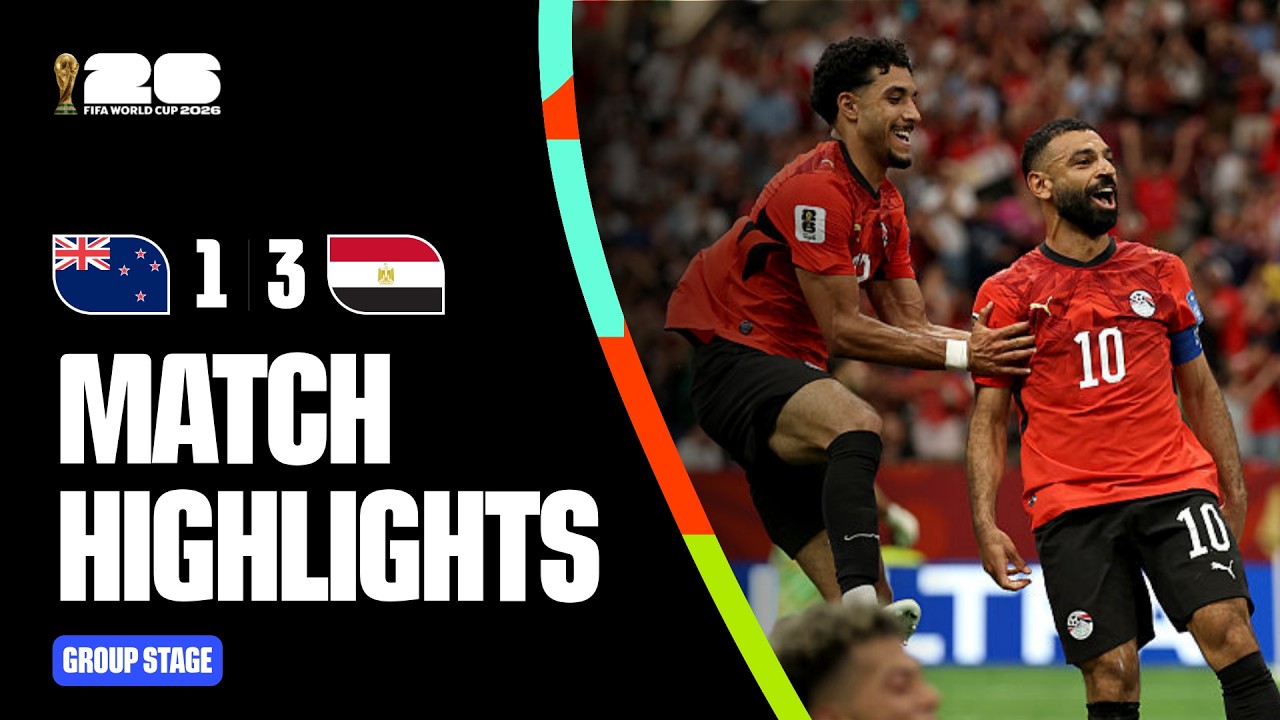
Egypt, having secured their first-ever World Cup victory against New Zealand, arrive in a different position from the team Iran is preparing to face. Hossam Hassan’s side needs only a draw to advance. That mathematical cushion can cut either way: it might produce a team content to absorb pressure and deny Iran space, or it could create the kind of settled confidence that opens a game up. Egypt kept a clean sheet in their 0-0 draw with Belgium. Iran have scored three times and conceded three. What the two previous results cannot measure is whether 48 hours of proper recovery (a training session on the actual pitch, time zones aligned, a night’s sleep not spent on a cross-border charter) changes what Team Melli produce across 90 competitive minutes.
Belgium’s simultaneous match against New Zealand adds a qualification variable that both coaches will have noted. If Iran win and Belgium win, three teams finish level and goal difference decides the final table. If Iran win and Belgium draw or lose, Iran advance in second place. Every scenario begins with a result here that Ghalenoei’s players have to produce under conditions they have been contesting since before the tournament started, and with the small, stubborn fact that tonight, for the first time at this World Cup, they are contesting something no longer true.
Ghalenoei has called his players “the most oppressed team” at this tournament. That designation holds until the final whistle blows tonight, or it stops holding at all. The match will answer one question. It will leave the others (about hosts, politics, and what a World Cup is actually for) exactly where they are.