
TL;DR: The Pentagon on Wednesday ordered all military branches to reinstate mandatory flu vaccinations for recruits, reversing Defense Secretary Pete Hegseth’s April decision to make the shots optional. The reversal follows a weekslong flu outbreak at Lackland Air Force Base in San Antonio that has sickened 275 recruits and killed trainee Keon McDaniel on June 16. Only 40 percent of trainees accepted the voluntary vaccine, compared with 100 percent under the 1945 mandate Hegseth removed.
SAN ANTONIO – In his sixth week of Basic Military Training at Joint Base San Antonio, a trainee named Keon McDaniel experienced a medical emergency on June 12. He was transported to Brooke Army Medical Center, where he died four days later. He was assigned to the 737th Training Support Squadron, and the Air Force has not confirmed whether his death is connected to the influenza outbreak that had been spreading through Lackland’s training barracks since late May.
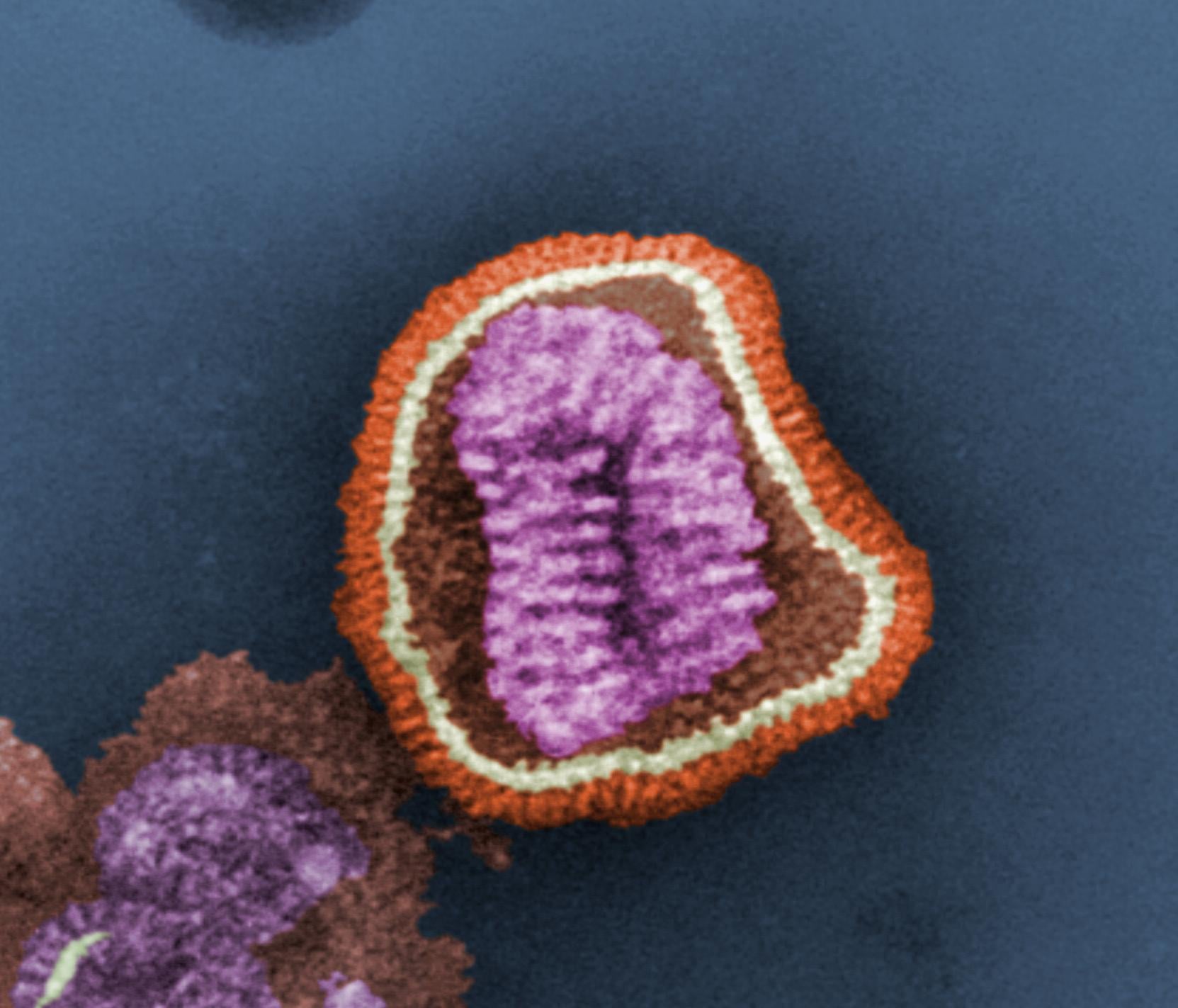
That outbreak reached 275 cumulative cases by this week, hospitalizing four trainees and prompting the Pentagon to reverse a decision that, by every epidemiological measure, appears to have allowed it to take hold. In April, Defense Secretary Pete Hegseth announced that the annual flu vaccine would be optional for all U.S. military personnel, framing the change as restoring medical freedom to the force. By the time the Lackland outbreak emerged in early June, approximately 40 percent of incoming recruits had been vaccinated against influenza, compared with the 100 percent required under the previous mandate.
The policy reversal came in stages. The Air Force, citing the rising case count and the death under investigation, secured a waiver from the Pentagon on June 11 and restored mandatory flu vaccination for recruits. Within days, the Army and the Navy followed, each obtaining its own exception. By this week, all three service branches were again requiring flu shots for everyone entering basic training, effectively reinstating what Hegseth had dismantled, under the legal form of branch-by-branch exceptions to the new optional policy.
Representative Joaquin Castro, a Democrat from Texas whose district includes Joint Base San Antonio, issued a statement demanding a full accounting. Castro asked the Air Force to explain what protective measures were in place when the outbreak began, what its commanders knew about the risk of reducing vaccination rates among incoming recruits, and what steps would be taken to prevent a recurrence. The Air Force has not answered those questions publicly.
The dynamics that produced the Lackland outbreak are familiar to military medicine and, before that, to the public health literature going back decades. Congregate settings where people eat, sleep, train, and share enclosed spaces accelerate respiratory illness in ways that have no civilian parallel outside hospitals and prisons. The U.S. military had required annual flu vaccination for active-duty personnel since 1999 precisely because the data on vaccine-free barracks was unambiguous: infection rates in unvaccinated training cohorts are substantially higher than in the general population, even outside peak flu season. The current outbreak began in June, when influenza is far below its winter peak in most of the country. What produced it was not seasonal timing but institutional exposure density meeting an inadequate vaccination rate.

ABC News reported that the Pentagon reversed its policy as the outbreak grew and as senior service medical officers raised concerns about military readiness, a concern that, in institutional terms, outweighed the framing of vaccine choice as individual freedom. Air Force Times reported that the 37th Training Wing at Lackland had been managing the outbreak for more than three weeks before the case count passed 200. What managing meant in practice, and whether it included adequate quarantine and testing protocols, has not been publicly described by the Air Force.
The Lackland outbreak is not the only concurrent public health crisis reshaping how American institutions respond to preventable infectious disease in 2026. The Bundibugyo Ebola outbreak in the Democratic Republic of Congo crossed 1,000 confirmed cases this week and produced the first confirmed Ebola case in the European Union. The MV Hondius hantavirus outbreak was successfully contained by coordinated international monitoring, with the CDC closing its response on June 24 after 600-plus contacts across 32 countries cleared monitoring with zero community transmission. The common thread in the cases where containment succeeded is speed and institutional cooperation. The common thread in the cases where it did not is institutional hesitation or policy interference.
The Air Force has said the comprehensive medical review into Keon McDaniel’s death is ongoing. The cause of his medical emergency on June 12 has not been established, and the service spokesperson has not said when the review will conclude or whether its findings will be released publicly. McDaniel is the only trainee at Lackland whose death has occurred during the period of the flu outbreak. Whether flu virus contributed to what happened to him, or whether his death would have occurred regardless of the outbreak, is what the investigation is supposed to determine.
What is not under investigation is whether the policy that reduced vaccination rates at Lackland was a good idea. The Pentagon’s decision to reinstate the vaccine requirement answers that question in institutional terms. The question it does not answer is why the review that led to the mandate in 1999 had to be repeated under emergency conditions in June 2026.