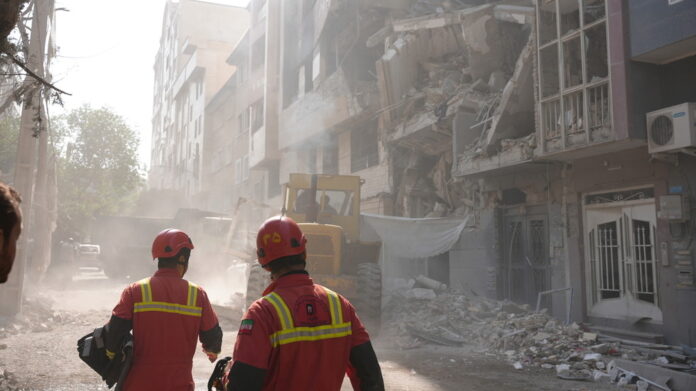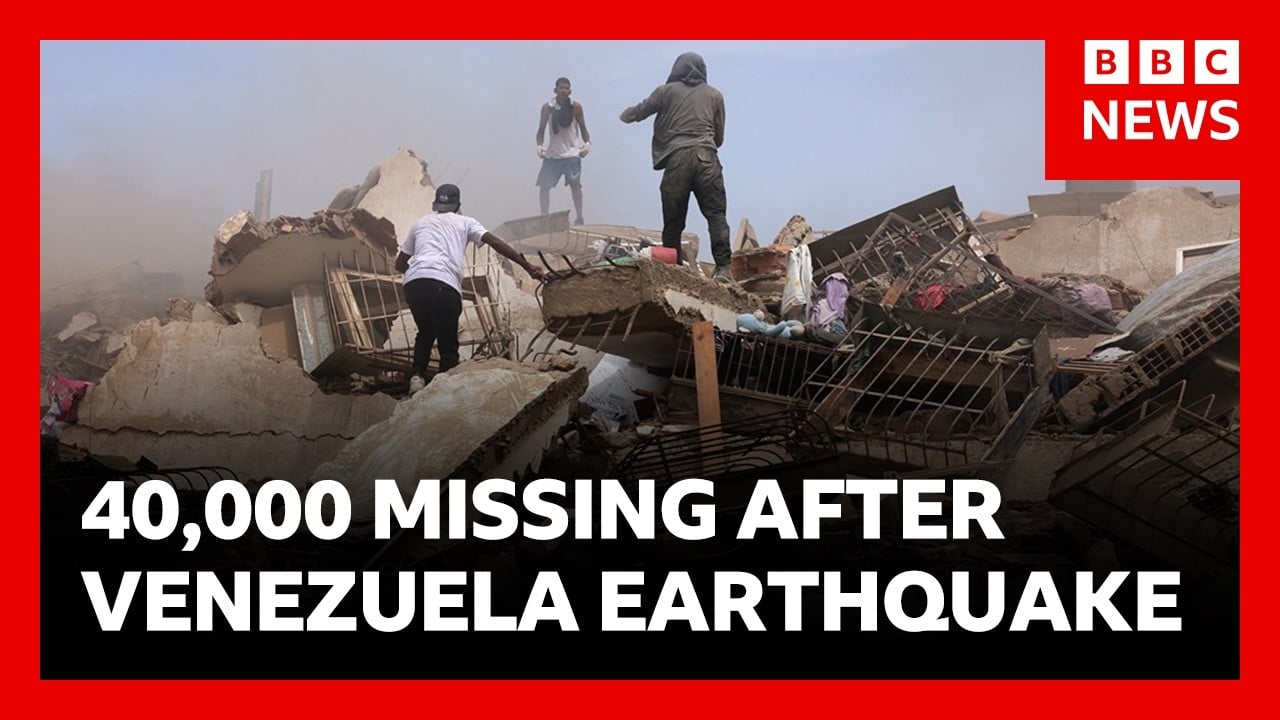

CARACAS — By Thursday morning, the 22-storey building that had stood for decades in Altamira was a pile of compacted concrete slabs on a Caracas street. Three blocks away, a structure known as the Petunia building had killed at least eleven people when it gave way. Somewhere beneath both, and beneath dozens more collapsed structures across the capital and the coastal state of La Guaira, rescue teams were listening for sounds.
Venezuela’s health minister Carlos Alvarado confirmed Thursday that at least 235 people have been killed since the two earthquakes struck Wednesday evening. The number has climbed steadily from the 188 counted in the immediate aftermath, and the United States Geological Survey warned Thursday that the actual figure could ultimately exceed 10,000. More than 4,300 people are injured. At least 200 remain trapped under rubble in the greater Caracas area alone.
The pair of earthquakes that struck Wednesday evening were the most powerful to hit Venezuela since 1900, NBC News reported. The 7.2-magnitude foreshock, centered east-northeast of San Felipe, was followed 39 seconds later by a 7.5-magnitude mainshock near Yumare, in the state of Yaracuy, about 100 miles west of Caracas. The shallowness of the mainshock at only 10 kilometres below the surface amplified its destructive force far beyond what the magnitude alone would predict.
Acting President Delcy Rodríguez, who has been running the country since the United States removed President Nicolás Maduro in January, declared a national state of emergency and designated La Guaira a disaster zone. The airport in Caracas was closed, trains suspended and schools cancelled for several days. Venezuelan officials said more than 100 buildings collapsed in La Guaira, the coastal city that serves as the country’s main port and principal gateway to the capital.
What makes the scale of the disaster genuinely uncertain is the gap between what is confirmed and what is feared. The USGS ShakeMap model, which estimates casualties based on building stock, population density and shaking intensity, placed the probable death toll well above 1,000 and possibly above 10,000. The range is wide not out of pessimism but because Venezuela’s telecommunications infrastructure failed in several affected areas immediately after the quakes, cutting off reliable information from communities that were among the hardest hit.
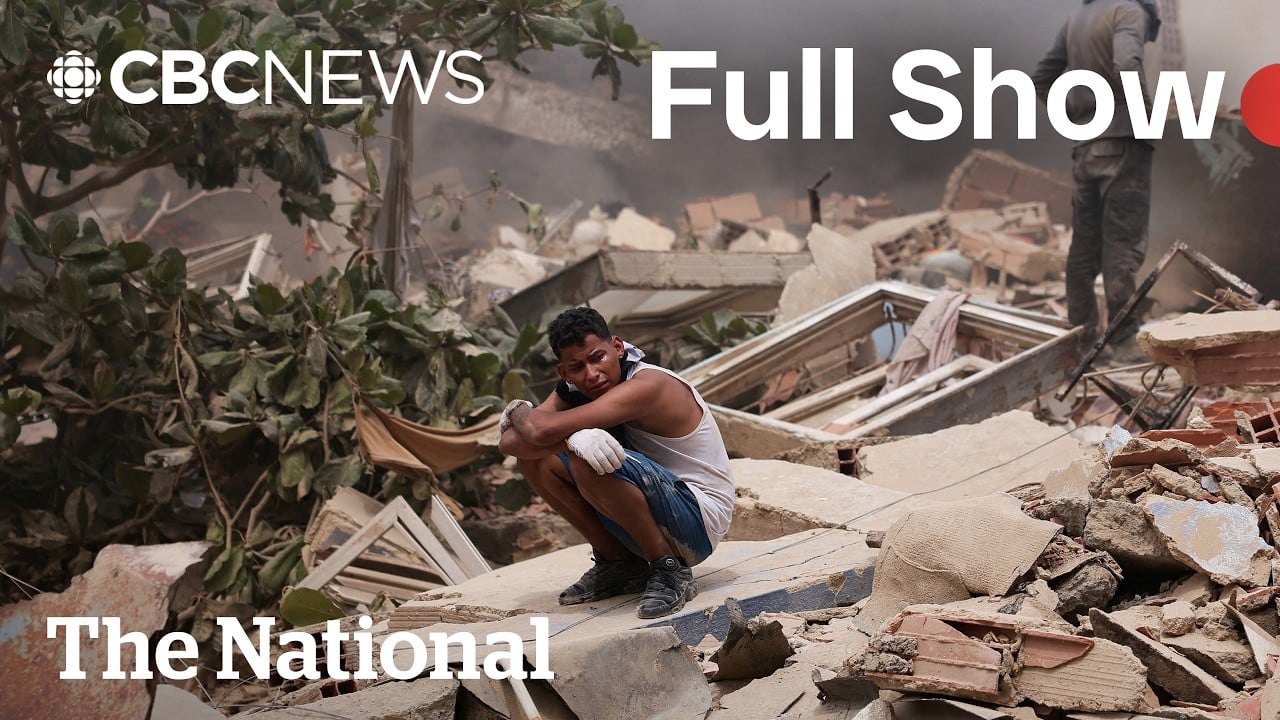
By Thursday, search and rescue specialists from the United States, Mexico, Spain and Qatar had entered the disaster zone, Al Jazeera reported. The U.S. military announced it was helping to plan humanitarian relief operations. Trump pledged what he called a rapid American response, a commitment that carries its own political weight: Washington removed Maduro’s government in January and now finds itself offering assistance to the administration that replaced him.
From New York, where he is held in a federal detention facility on drug trafficking charges, Maduro issued his fourth public statement since his January incarceration. He urged Venezuelans to support rescue teams and to ensure that no community is left to face the aftermath alone.
The Los Palos Grandes and Altamira neighbourhoods in eastern Caracas sustained some of the heaviest damage. At least three buildings collapsed in Altamira, including the 22-storey tower. Eleven people were killed when the Petunia building gave way in the adjacent Chacao municipality. In La Guaira, the earthquake struck a coastline where building standards and enforcement have been inconsistent for decades and where several residential blocks that had withstood previous tremors were flattened.
The scientific characterization of what struck Venezuela is an earthquake doublet: a sequence in which two large earthquakes occur in close proximity within seconds of each other. The 39-second gap between the two events meant that people who had rushed from buildings after the first jolt were, in some cases, still in the street when the larger quake arrived. Seismologists noted that the shallowness of the mainshock significantly increased ground acceleration in the affected zones, and that the doublet sequence is rare enough that existing building codes in most jurisdictions do not account for the compounding structural load.
The country that the earthquakes struck was already in acute distress. Venezuela has experienced one of the worst economic collapses in Latin American history outside wartime. An estimated 8 million people have left in the past decade. The healthcare system now being asked to manage more than 4,300 injuries had been assessed by international health agencies as functioning below basic capacity even before Wednesday. The Mindanao earthquake earlier this month, which killed dozens in the southern Philippines on what was meant to be the first day of school, showed how quickly rescue capacity can be overwhelmed when infrastructure is fragile before the first tremor hits.
USGS recorded at least 138 aftershocks in the 24 hours following the initial pair of quakes. The United States carried out a direct strike inside Venezuela earlier this month, coordinated with the government now managing the earthquake response. Whether that working relationship accelerates the delivery of American rescue resources to the disaster zone is not yet clear, CNBC reported.
What Thursday has not answered: how many people remain under debris in La Guaira’s coastal blocks, where communications collapsed entirely after the quakes; whether the 200 confirmed trapped in Caracas represents the full count or only the areas where rescue teams have been able to reach and assess; and how Venezuela’s improvised and reinforced-concrete building stock will behave as the aftershock sequence continues.
International rescue teams are trained for exactly this kind of work. Whether they find people still alive under the rubble is the answer this disaster has not yet given.