
LOS ANGELES — The entire joke of “Legally Blonde” was that Elle Woods did not see Harvard Law coming, and neither did anyone else. She was a sorority president who studied fashion merchandising, floored an admissions committee with a video essay, and then spent two hours proving that underestimating her was the actual mistake. The premise depended on her innocence being real, not performed.
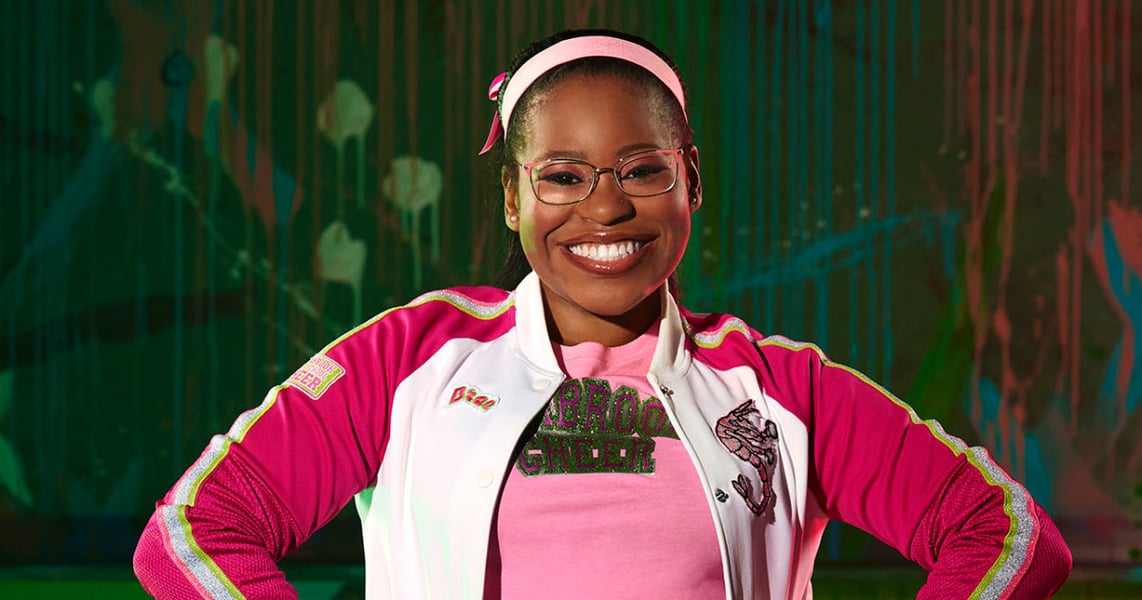
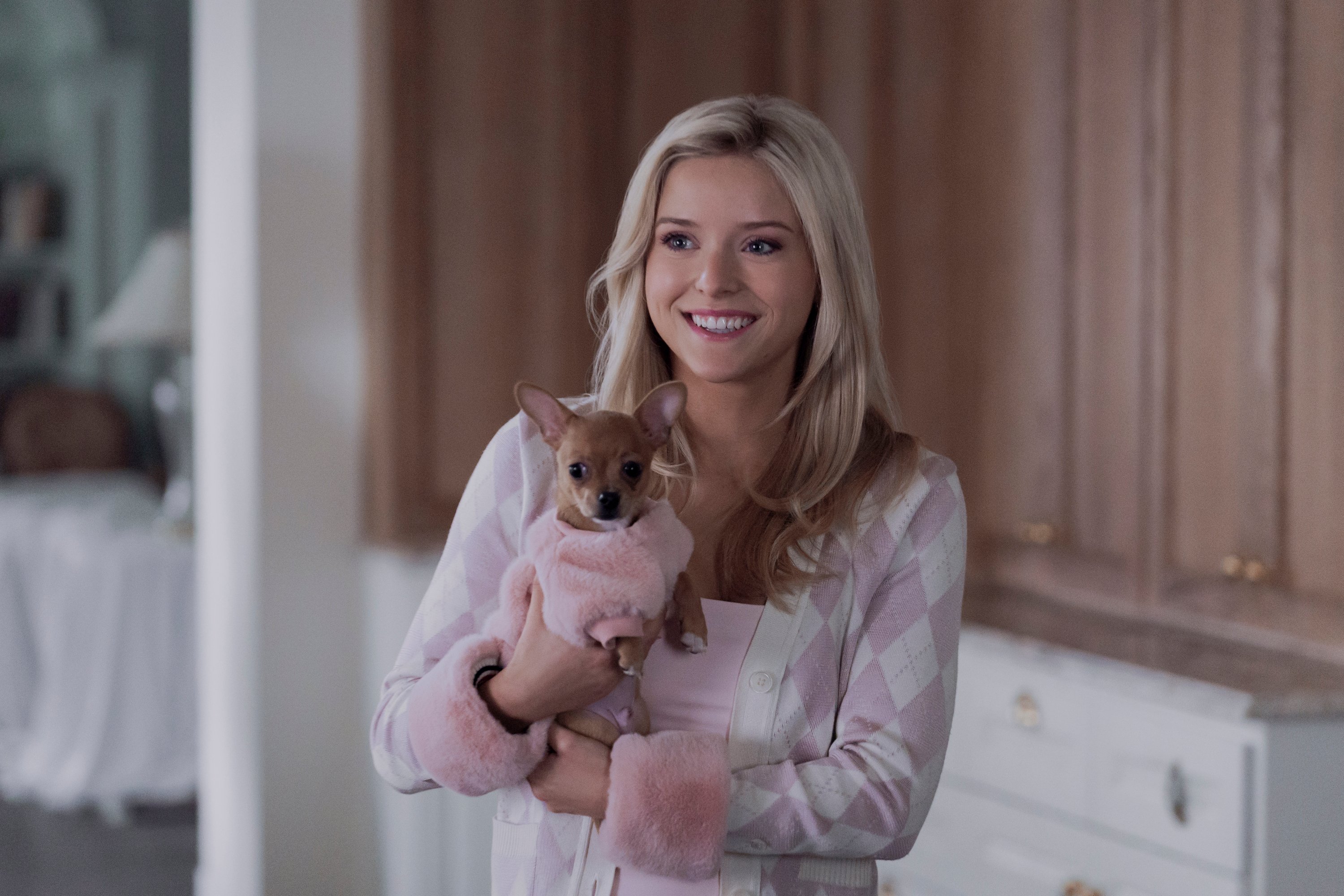
Amazon’s new prequel series “Elle,” which premiered Wednesday on Prime Video, spends its first season quietly dismantling that premise. Set in 1995, the show follows a teenage Elle, played by Lexi Minetree, after her family relocates from Los Angeles to Seattle partway through high school. Dropped into a school dominated by grunge aesthetics, her pink minidresses and designer wardrobe make her an instant outsider. Rather than retreat, she spends the season organizing a fundraiser for underpaid support staff, fighting to reinstate a secretary who was wrongfully fired, and unraveling corruption tied to the school’s principal.
None of that plays like the backstory of someone who arrives at Harvard three years later oblivious to anything beyond boys and clothes. The Hollywood Reporter’s review called the resulting contradiction one that would require “a Days of Our Lives-level bout of amnesia” to explain, arguing the show only works if audiences treat Elle Woods as “endlessly rebootable franchise IP” rather than a person whose history has to add up. Variety’s review reached a similar verdict from a different angle, describing “Elle” as a well-executed rehash that still cannot escape the basic math problem at its center.
The show’s creators appear to have made a deliberate choice rather than an oversight. Reese Witherspoon, who originated the role in 2001 and executive produces this series, has said publicly that giving Elle a scrappier, more socially conscious teenage chapter was her idea. The show does not hide the version of Elle it wants: a girl whose activism and instinct for reading a room were there all along, just dormant, waiting for Harvard Law to give them a proper stage. That is a coherent theory of the character. It is also a theory that requires ignoring what the 2001 film spent its first act establishing.
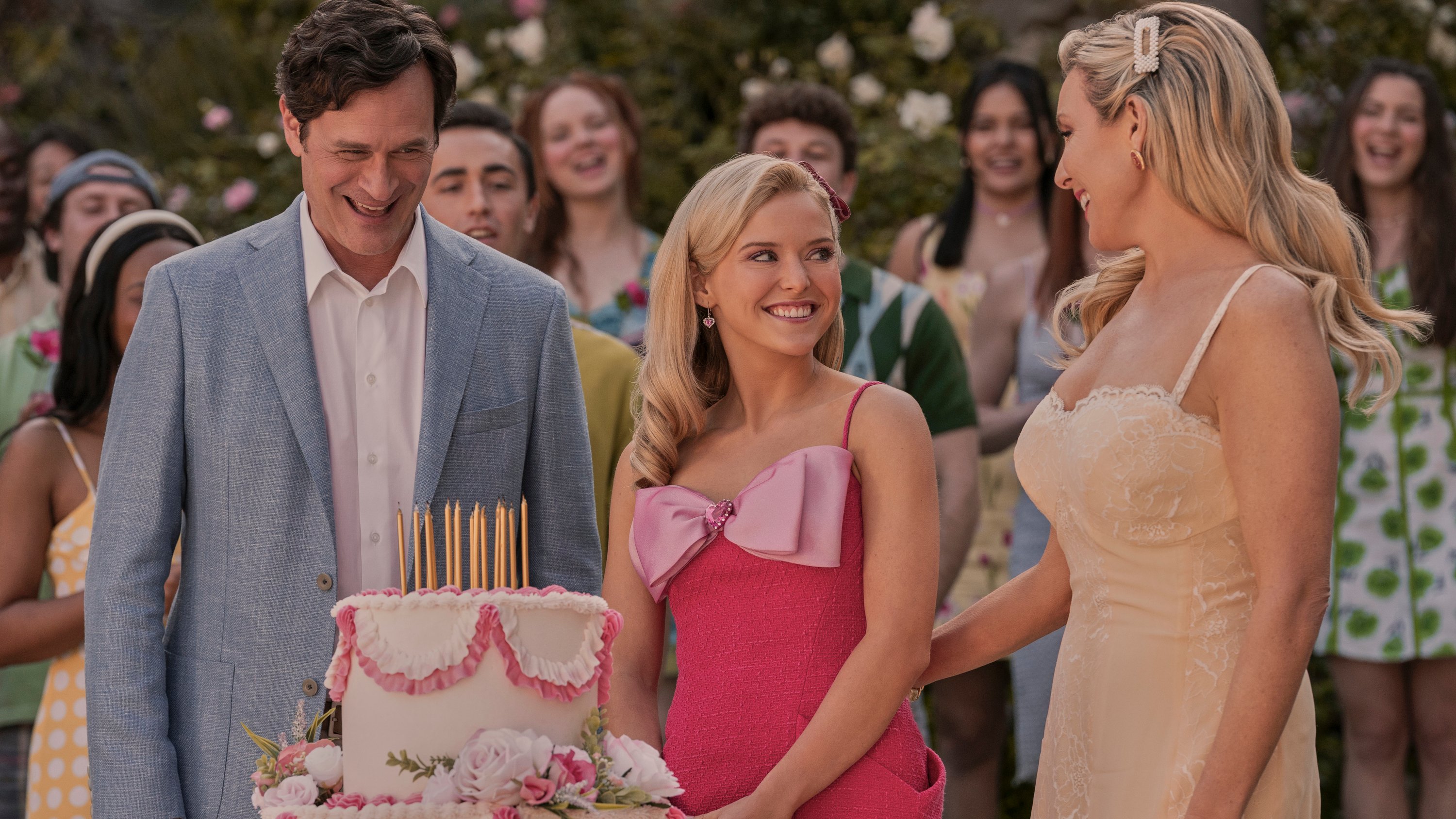
The cast around Minetree includes Tom Everett Scott and June Diane Raphael as Elle’s parents, Chandler Kinney as a popular classmate positioned as Elle’s antagonist, and Gabrielle Policano as a shy musician who becomes an ally. None of the reviews out this week fault the performances. The complaint is structural, and it is the kind of complaint that prequels invite by definition: the ending is already known, which means every episode has to work backward from a fixed point rather than toward an open one. “Legally Blonde” succeeded because Elle’s transformation was a surprise to the audience as much as to the people who doubted her. “Elle” cannot manufacture that same surprise about a character whose adult ending has been public for twenty-five years, so it manufactures a different kind of interest instead, asking viewers to enjoy watching the seeds of that ending get planted rather than watching the ending arrive.
Whether that trade is worth making depends on what a viewer wants from a prequel in the first place, and the critical response this week suggests reviewers are split roughly down that same line. Some outlets have praised the show’s grunge-era production design and Minetree’s performance as reasons enough to watch regardless of the timeline problem. Others have treated the contradiction as disqualifying, the kind of flaw that undermines the entire project rather than sitting alongside its strengths. Amazon has not addressed the criticism directly, and the streamer’s official rollout materials frame the series purely as an origin story rather than engaging with whether that origin story fits the character it is meant to explain.
“Elle” arrives in the middle of a broader Hollywood pattern of mining beloved properties for prequel and legacy-sequel content regardless of whether the underlying story supports it. Disney’s forthcoming “Camp Rock 3” faces a related version of this problem, reuniting a franchise’s central band while sidelining the performer who was actually the emotional center of the earlier films. The pattern cuts the other way too: Pixar’s “Toy Story 5” has managed a genuine theatrical comeback this summer by extending its story forward rather than rewriting what came before it, a distinction that may explain why one franchise revival is drawing box office enthusiasm while the other is drawing skepticism about its own math.
Amazon has not announced whether “Elle” will get a second season, and nothing in this week’s reviews suggests the streamer needs to resolve the contradiction critics have identified before deciding. The show can keep running on 1995 timelines indefinitely without ever having to reconcile with the Elle Woods who steps off a plane at Harvard three years later, professing not to know what an SAT was for. Whether audiences will keep watching a character whose future self already contradicts her is the question this season leaves open, not the one it set out to answer.
Related Posts