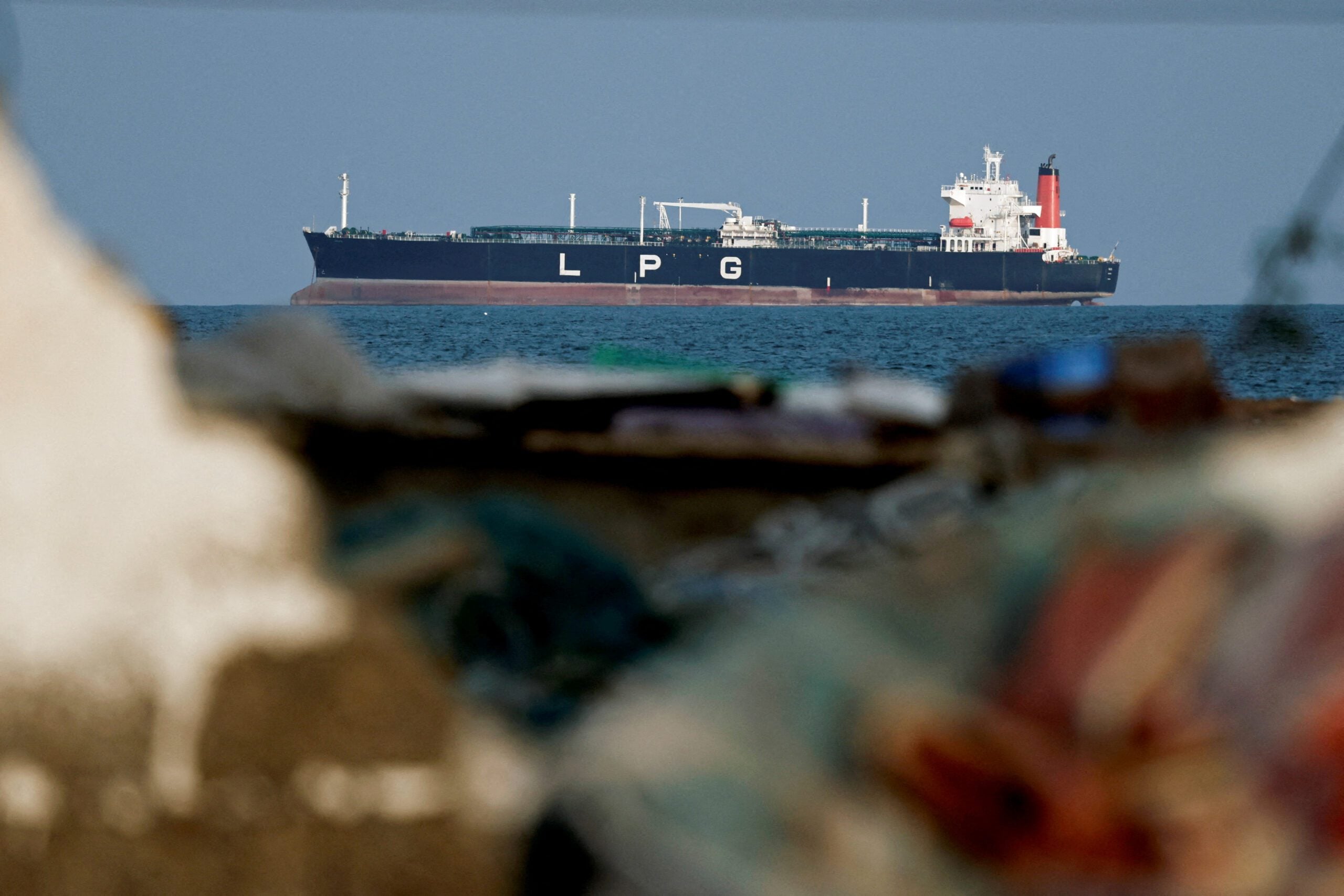

WASHINGTON – A tanker operator with US financial relationships will have a specific problem on August 22: pay the Hormuz service fee Iran intends to charge, or risk Iran refusing passage. Under the current state of US sanctions law, paying that fee would expose the operator, its bank, and its insurer to liability under Treasury guidance that has not been modified, rescinded, or addressed since it was issued in April. After two days in Doha, that guidance is still in place, and no one publicly acknowledged it.
On April 29, 2026, the Treasury Department’s Office of Foreign Assets Control released FAQ 1249, establishing that payments to Iran or the Islamic Revolutionary Guard Corps for safe passage through the Strait of Hormuz are prohibited. The guidance is explicit: such payments “would not be authorized” for US persons, financial institutions, or US-owned or controlled foreign entities. OFAC extended the warning to non-US parties as well – foreign shipowners, banks, insurers, and counterparties engaging in transactions with designated Iranian entities face exposure under Executive Order 13902. The guidance covers direct and indirect payments alike, regardless of whether the fee is framed as a toll, a service charge, or a facilitation payment.
The MoU signed in Islamabad on June 17 contains language that makes this gap visible without closing it. Under the agreement’s terms, Iran commits to safe passage of commercial vessels “with no charge for 60 days only.” The word “only” acknowledges what comes next. After August 21, the no-charge period ends. The MoU does not specify what the fee structure will be, who will collect it, or what US authorization framework would govern payments to the entity collecting it. Those questions were deferred to the final agreement. The Doha round on July 1 and 2 addressed the Hormuz file but produced no resolution on it. Iran’s parliament is already moving the fee system through the Majlis, targeting mid-August for the formal authorization that would make collection legally binding under Iranian law.
The oil sanctions waiver issued June 22 – Iran General License X – authorized transactions “ordinarily incident and necessary to the production, sale, delivery, or offloading” of Iranian oil, petrochemical products, and petroleum through August 21. It is that waiver that enabled Iran to sell 40 to 50 million barrels in the first two weeks after the MoU was signed, with associated banking, insurance, and shipping services authorized as part of the license. GL X covers a great deal. It does not mention Hormuz fee payments. The gap between what GL X authorizes and what a post-August 21 Hormuz fee system would require is not a technicality. It is the specific authorization that does not yet exist.
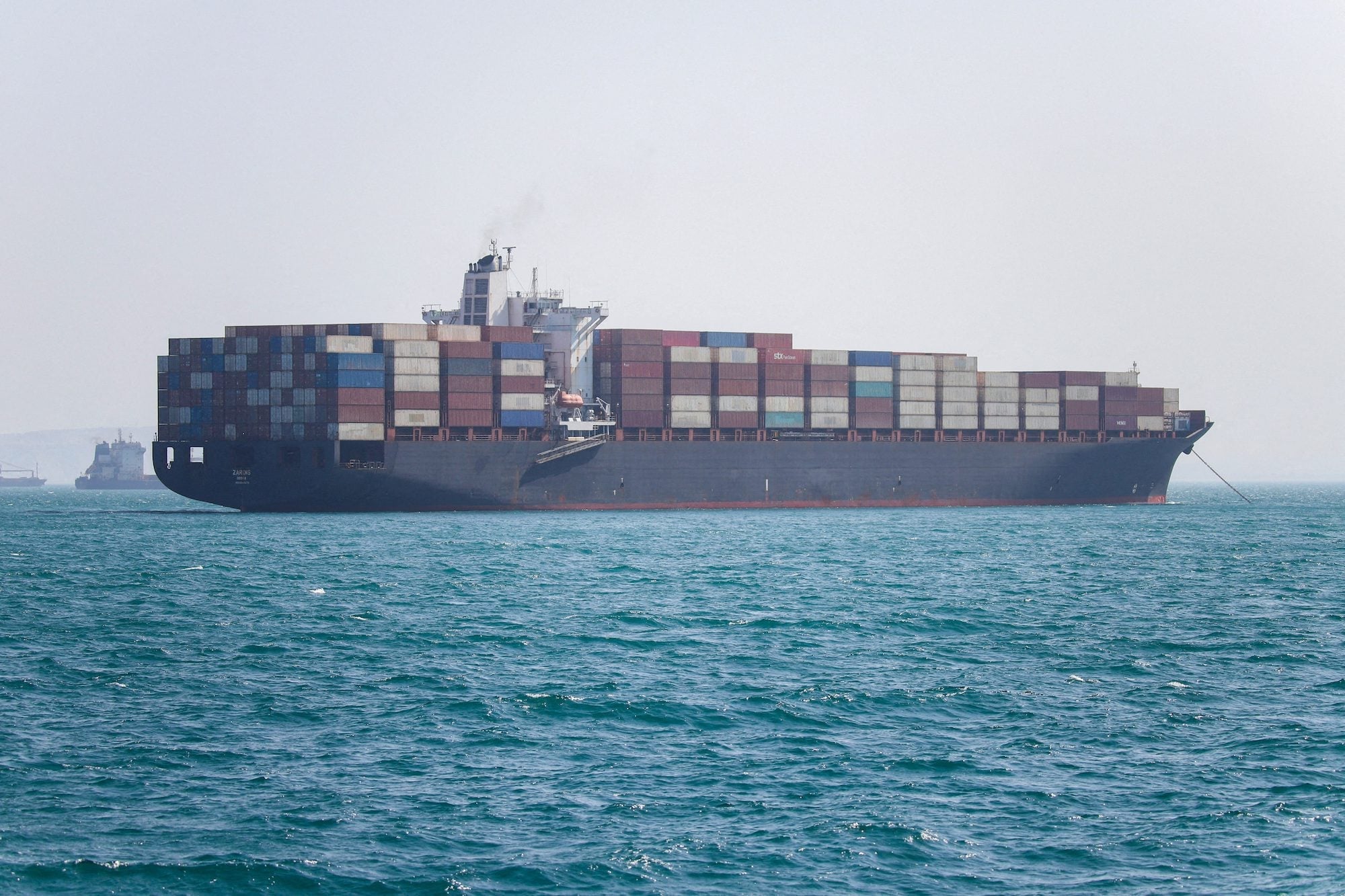
The compliance structure this creates for international shipping is not hypothetical. Any vessel with US ownership, US financing, US flag, US insurance, or US bank involvement that pays an Iranian-controlled entity for Hormuz transit after August 21 would be doing something OFAC FAQ 1249 prohibits – unless a new general license specifically authorizes fee payments. That license has not been issued. Whether OFAC intends to issue one is not known. The Doha readouts made no reference to it.
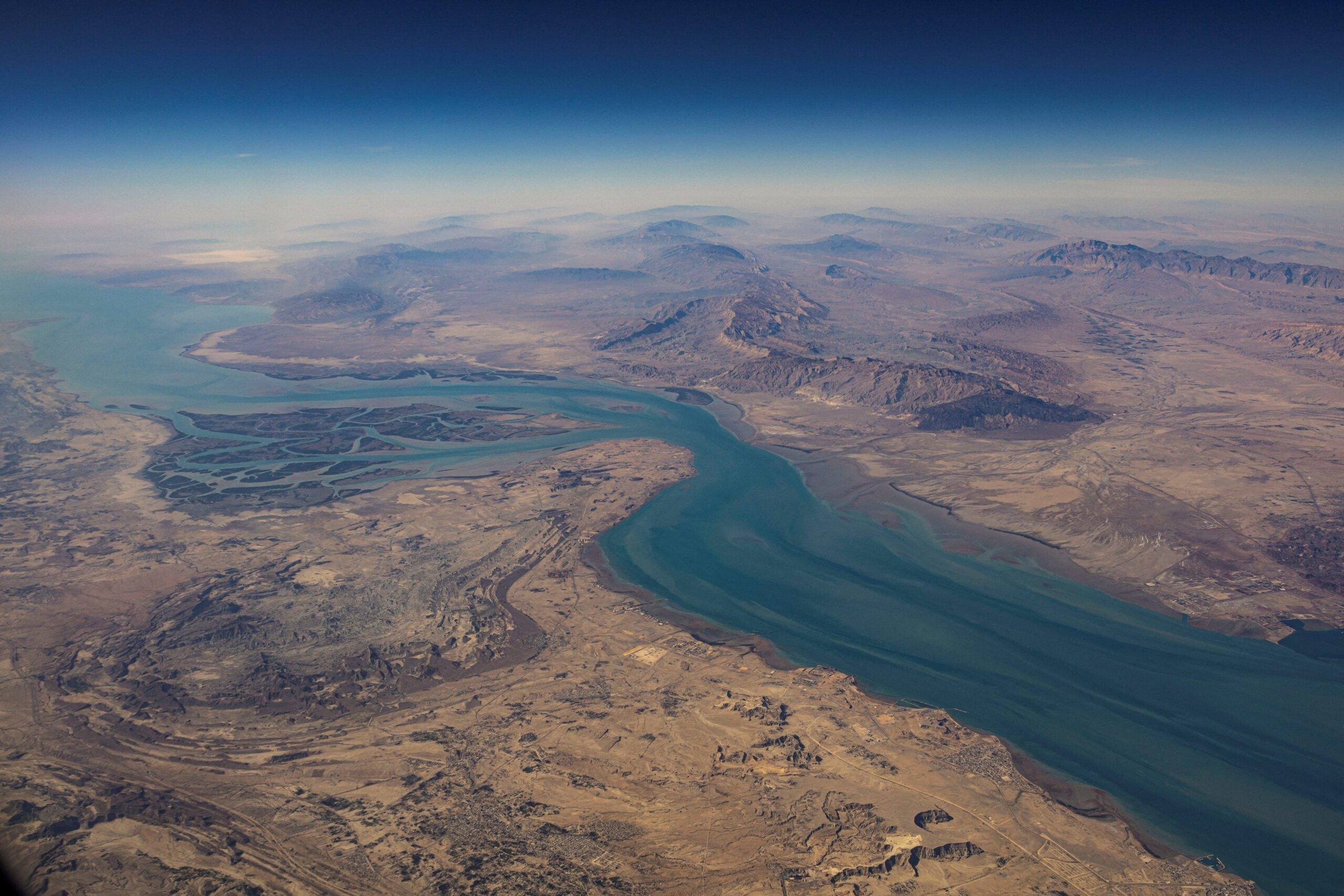
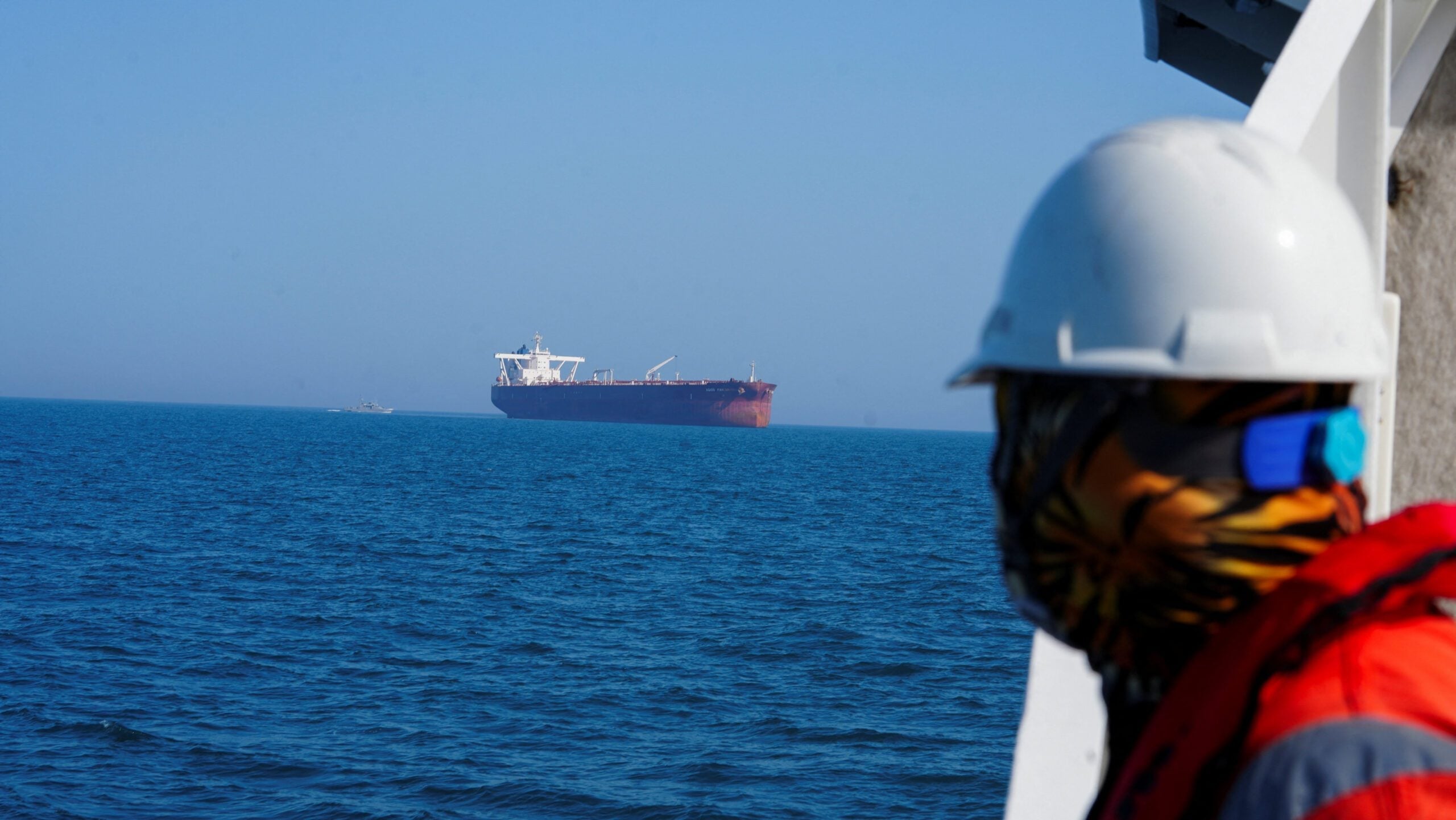
The shipping industry has been operating in this gap since the MoU was signed. gCaptain reported that operators face dual pressure: transit security on one side, legal compliance on the other. War-risk underwriters still classify the Strait as a warlike operations area, meaning elevated insurance premiums apply regardless of diplomatic progress. A company that pays the Iranian fee to secure passage may find that its insurer, its bank, or its parent company has been placed in breach of US sanctions rules by the transaction. The flag-state classification system the IRGC uses to determine which vessels qualify for the northern corridor does not align with any US authorization framework.
The US position on fees has been stated consistently but not operationalized. Vance said on June 18 that “international waterways should be free of tolls” and that a final framework would establish a proper security structure. Rubio told reporters that an Iranian toll system was unacceptable. Those statements address US policy preference. They do not address the specific legal gap between FAQ 1249 and the absence of a Hormuz fee authorization in GL X. Preference and law are not the same instrument, and in August – if a final agreement acknowledges an Iranian fee or service-charge system as part of the Hormuz framework – the legal instrument that bridges them does not yet exist.
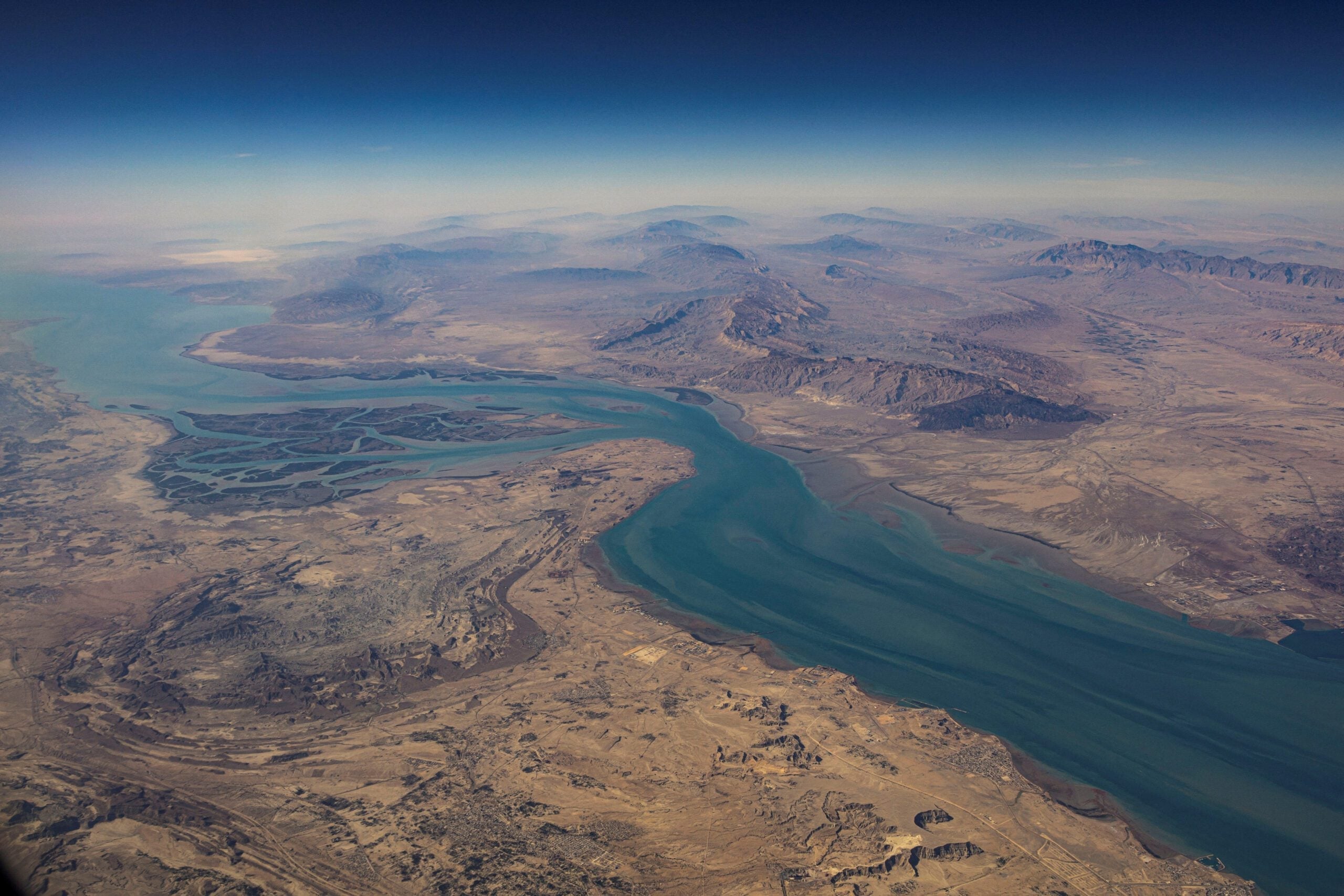
The IRGC has been charging $1.5 to $2 million per vessel since mid-March, accepting yuan, cash, and barter through the Qeshm-Larak corridor. The vessels using that corridor are predominantly non-US-linked – Asian flag states, intermediary owners, insurance arrangements that avoid US exposure. The MoU’s 60-day no-charge period has not stopped the de facto fee system; it has suspended it for vessels outside Iran’s designated excluded categories. When the 60-day window closes, that suspension ends. The Majlis bill adds a rial-denominated statutory fee on top of it. The two tracks – IRGC operational corridor and parliamentary legislation – are converging toward a fee system that any US-adjacent shipping company will either have to pay illegally or avoid entirely.
The final agreement the Doha process is supposed to produce will need to address this specifically. A Hormuz framework that acknowledges Iranian fee authority – whether framed as a service charge, a navigational service, or a corridor management fee – requires a corresponding OFAC authorization for US-linked parties to participate in it. Without that authorization, any US-linked vessel operating under a final deal that includes fees is doing something US law still prohibits. That specific problem was not on the Doha agenda last week, has not appeared in any public readout, and will not be solved by the burial delay that paused the next round until after July 9. The 38 days remaining are not long enough to ignore it.