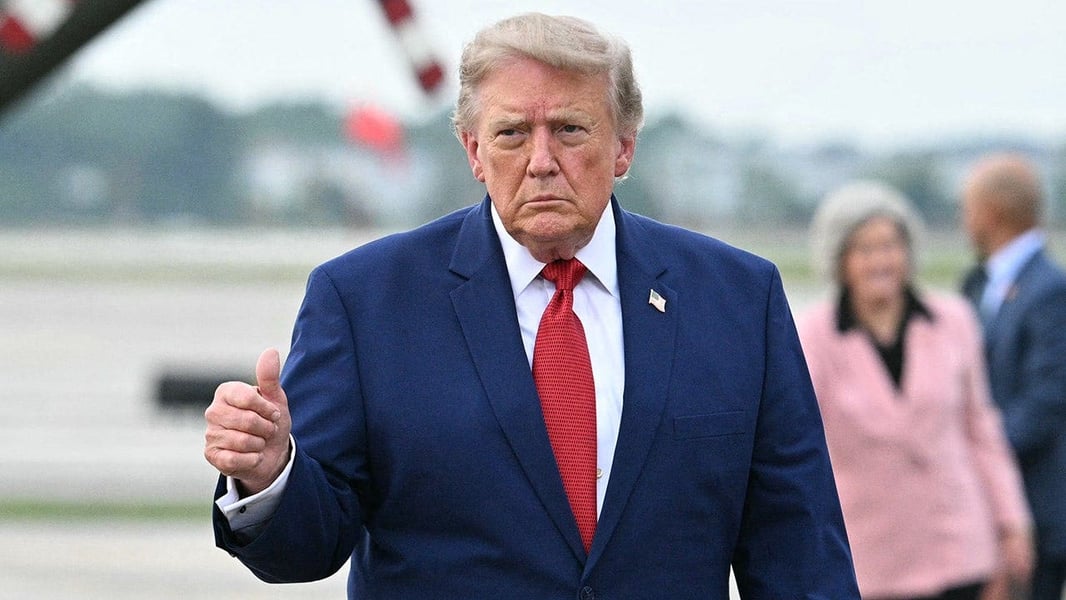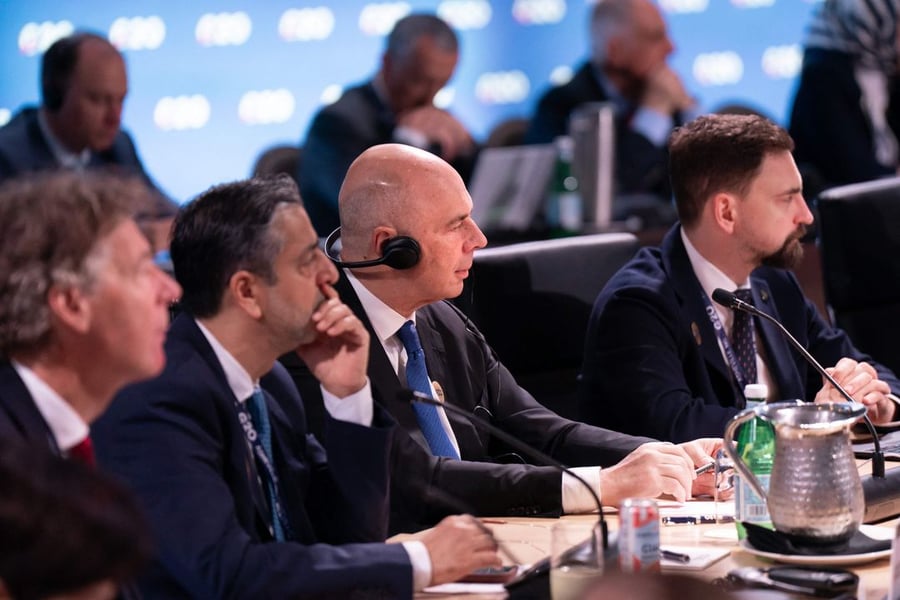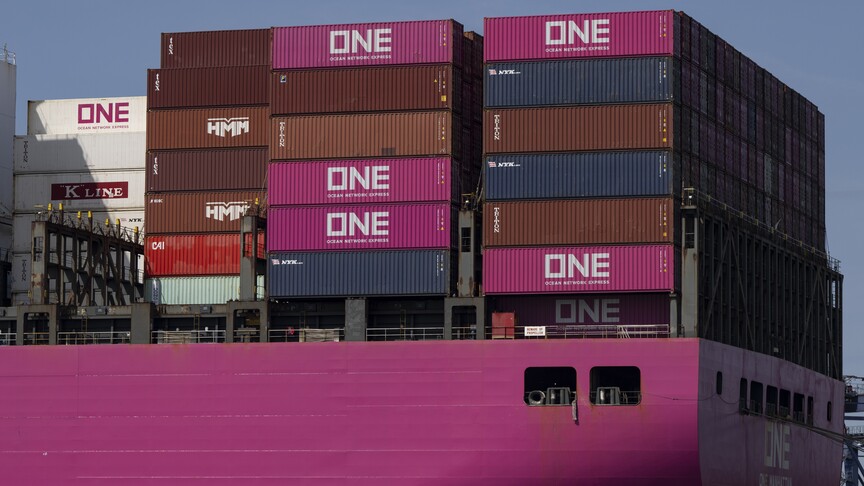

WASHINGTON – Canadian exporters who send nearly 80 percent of their goods south of the border did not lose their trade deal on Wednesday. They lost the certainty around it.
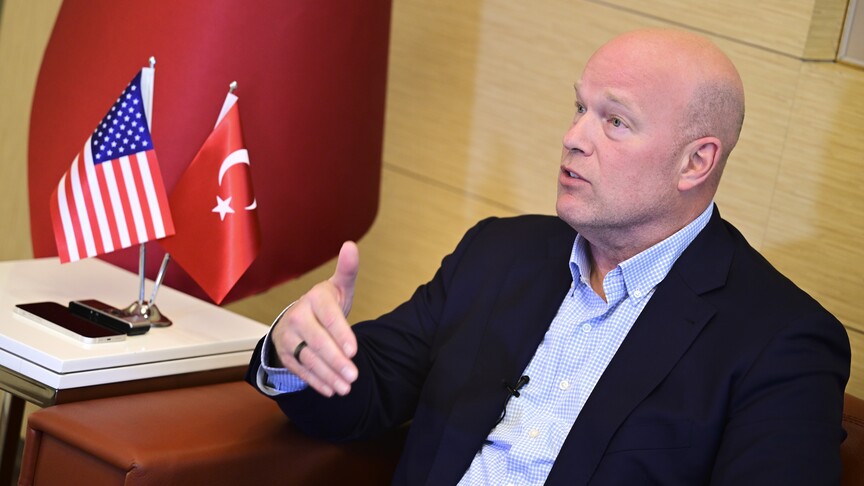
US Trade Representative Jamieson Greer announced that the United States would not renew the United States-Mexico-Canada Agreement in its current form, triggering an annual review mechanism that could put the three-country pact under renegotiation every year from now until its 2036 expiration, Al Jazeera reported. The decision came on July 1, the exact date the mandatory six-year joint review was due under the agreement’s framework and six years to the day it took effect.
“The United States did not agree to renew the USMCA in its current form,” Greer said in a statement. “The United States will continue to engage with Mexico and Canada to address the Agreement’s shortcomings and our trade deficits with these countries.” No specific shortcomings were identified.
The announcement is not an exit from USMCA. The agreement remains legally in force until 2036, and trade flows between the three largest economies in the Americas are not immediately disrupted. What has shifted is the diplomatic architecture surrounding those flows. An annual review mechanism means Canada and Mexico are now obliged to defend the terms of a deal the current US administration has consistently described as inadequate – every twelve months, until 2036 or until a renegotiation produces a replacement.
For Canada, which routes roughly 80 percent of its export volume to the American market, that structure carries real weight. The US economy added only 57,000 jobs in June, the weakest monthly gain in more than a year, signalling that the market Canadian exporters depend on is itself under strain. A trade relationship now subject to annual review gives businesses in Canada and Mexico no durable framework on which to price contracts, plan supply chains, or make long-horizon investment decisions.
Trump’s relationship with his own trade architecture has been openly ambivalent. In January he called USMCA “irrelevant” and said there was “no real advantage to it.” On June 10 he said he did not know whether he would renew it. A week later he suggested he might sign an extension but “would rather not have the agreement.” None of those statements resolved into policy. Wednesday’s announcement resolved them into one: the deal would not be extended automatically and would instead become a recurring negotiation in which the United States, as the destination for the majority of Canadian and Mexican exports, holds the primary leverage.
Mexico and Canada confirmed the outcome without matching the American tone. Mexico’s Economy Minister Marcelo Ebrard stated in a video on X that the US had opted not to extend the agreement. Canada’s internal trade minister Dominic LeBlanc took a more measured line, saying all three parties “agreed on the importance of continuing our discussions and identifying ways to ensure trade and investment frameworks,” while reaffirming Canada’s support for the existing pact. The asymmetry between Greer’s language and LeBlanc’s response reflects the underlying asymmetry of the relationship: the US can afford ambivalence; Canada cannot.
The US rationale, described to Reuters by a senior administration official not authorized to speak publicly, is that USMCA failed to lower American trade deficits with its neighbors. The official added that the administration was not interested in prolonged negotiations and that “we need to come to a conclusion as quickly as possible.” A conclusion of what kind was left open. The trade deficit with Canada is concentrated primarily in energy – Canada is the largest single supplier of crude oil to the United States, a structural feature of continental geography and pipeline infrastructure that predates NAFTA, let alone USMCA, and that no rewrite of automotive content rules would alter. The deficit with Mexico reflects decades of manufacturing supply chain integration that USMCA was designed to regulate, not reverse.
Whether the administration has specific provisions it wants renegotiated – rules of origin, sunset clauses, labor enforcement mechanisms – or whether “shortcomings” is a holding term for a negotiating posture not yet formed is the question Wednesday’s statement declined to answer. The US plans to meet with Mexico during the week of July 20 to resume discussions. No public position has been disclosed ahead of that meeting.
The mechanism the non-renewal triggers is annual review rather than immediate expiration. Vina Nadjibulla, vice president and head of research at the Asia Pacific Foundation of Canada, told Al Jazeera that the most likely scenario was that USMCA would simply move into that annual renewal cycle – surviving year by year through incremental extension rather than structural renegotiation. That outcome preserves the trade framework while keeping both Canada and Mexico in a permanent state of managed uncertainty, dependent each year on US agreement to continue the terms of a deal the US has just publicly distanced itself from.
NAFTA, the agreement USMCA replaced in 2020, governed North American trade for 26 years before the Trump administration’s first term negotiated the update. Whether the current administration intends to produce a genuinely different successor agreement, use annual review as a permanent source of leverage without substantive renegotiation, or has not yet decided – that is the uncertainty Wednesday’s statement created and did not resolve. The week of July 20 is where resolution is supposed to begin. The terms it begins on are not yet known.
Related Posts