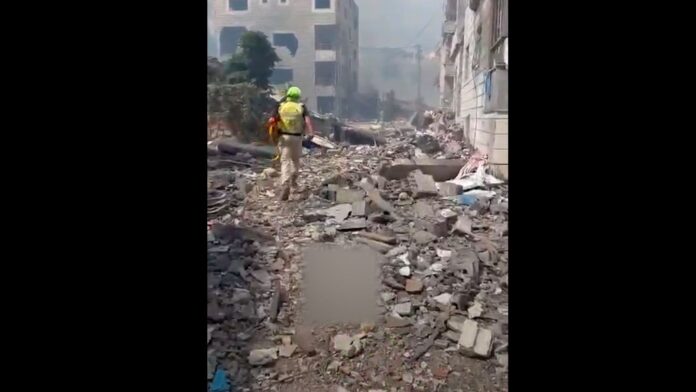

VIENNA – The International Atomic Energy Agency cannot tell you where Iran’s enriched uranium stockpile is. Eight of the facilities struck during last year’s conflict remain uninspected, and the agency knows what was stored there before the bombs fell – not what remains, not what condition the structures are in, and not whether the material was moved before or after the strikes. The Doha round closed on July 2 without resolving that question.
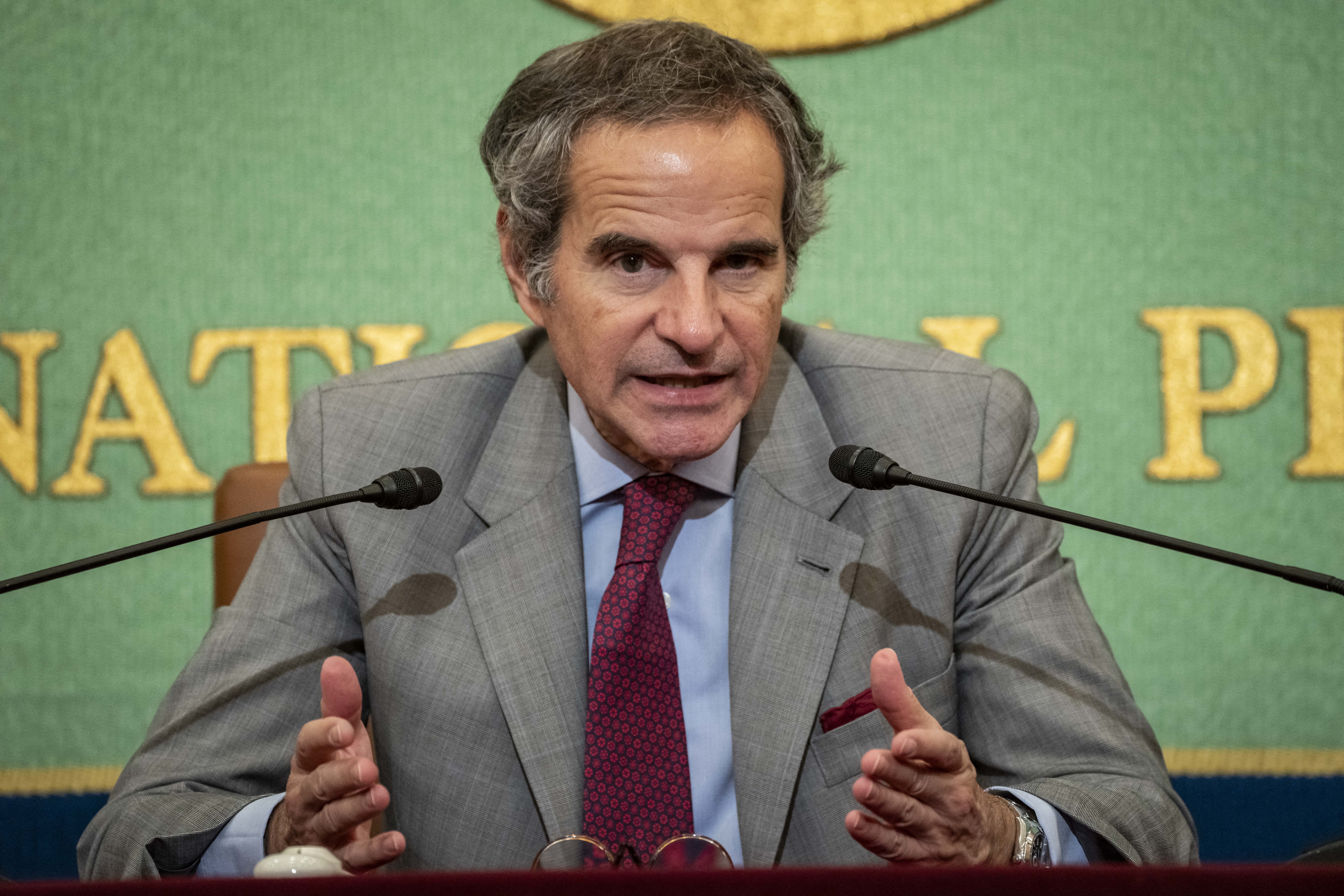
Director General Rafael Grossi has said for weeks that access must come “as soon as practicable.” Iran’s Deputy Foreign Minister Kazem Gharibabadi said something different in Doha: inspection access to the bombed sites will happen “solely within the framework of a final agreement” – meaning after Washington lifts all sanctions, after the nuclear deal is concluded, after the 60-day MoU window produces whatever it produces by August 21. Those two positions are not close to each other.
The Doha round placed the nuclear inspection file explicitly off the formal agenda because the basic question of what the MoU requires on this point has not been agreed in principle. Of the 13 unaffected Iranian nuclear facilities the IAEA monitors, seven have been inspected since the conflict began. The remaining six are pending. The eight bombed sites – including the Natanz underground enrichment complex, struck on March 3, 12, and 21, 2026, and facilities at Arak, Esfahan, and Tehran – have received zero inspector visits. The Isfahan Fuel Enrichment Plant, whose access roads and perimeter infrastructure were affected by nearby strikes, has also been denied to inspectors.
The enriched uranium stockpile – including material enriched to 60 percent and 20 percent U-235 stored at the Esfahan tunnel complex – has not been independently verified since June 2025. The IAEA’s last confirmed accounting predates the conflict by more than a year.
The Institute for Science and International Security published an assessment in June 2026 describing the current monitoring situation as a “near-total, ongoing loss of monitoring capability” at the damaged sites. That language is not standard in nonproliferation analysis. It signals a specific limitation: the IAEA cannot estimate what has moved or been damaged at a site its inspectors cannot enter. The gap is not a gap in data. It is a gap in the ability to generate data at all.
Grossi’s public position is unambiguous. The MoU signed in Islamabad in June, he has said, “would be supervised by the IAEA” and requires that inspectors be able to “verify everywhere.” He has not specified a date, but “as soon as practicable” has appeared in multiple readouts and statements. The IAEA’s legal mandate under the Nuclear Non-Proliferation Treaty does not pause for diplomatic negotiations; its verification role is not contingent on the conclusion of a final deal.
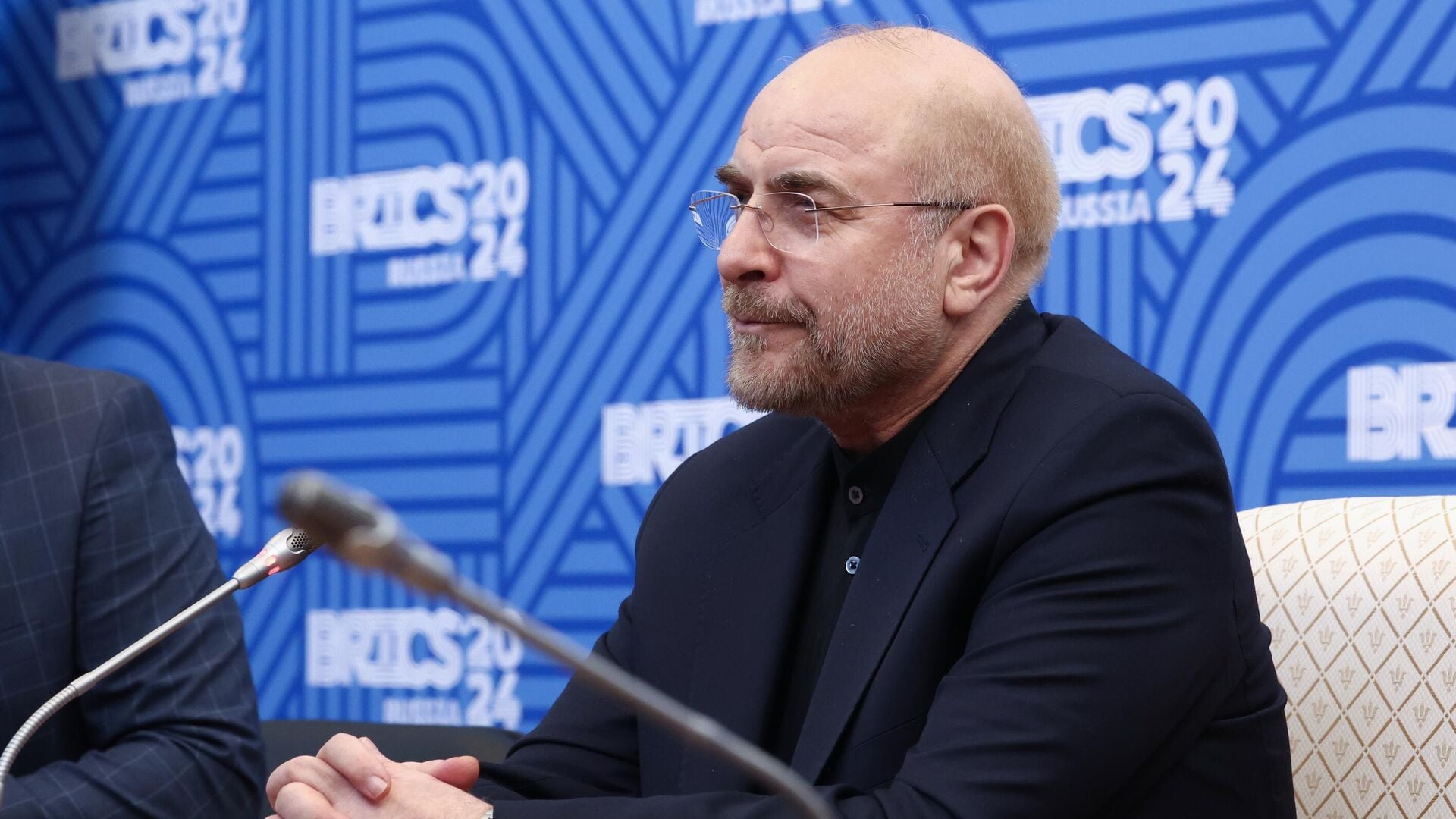
Iran’s position is that the MoU does not, in fact, require access to bombed sites during the current 60-day window. Gharibabadi told delegations in Doha that the question of bombed-site inspections belongs to the final agreement – the document that does not yet exist, the one the Doha talks were ostensibly advancing toward. His formulation makes inspection access a deliverable Iran offers when it receives something in return, rather than a precondition the MoU has already established.
The gap between those two readings is exactly why the nuclear file was deferred. Not because it was resolved. Because it has not been agreed in principle what the Islamabad MoU requires on this specific point. The 14 published points address the suspension of oil sanctions, the ceasefire framework, and Hormuz transit in general terms. The IAEA’s monitoring role is referenced, but the specific question of access to conflict-damaged sites – sites that did not exist in their current condition when the MoU was drafted – is a gap the document leaves open. Both sides have an interest in reading that gap in their favor.
Washington’s position sits closer to Grossi’s than to Gharibabadi’s. The Trump administration has characterized the Doha process as movement toward “denuclearization” – a term the Iranian government has explicitly rejected across factional lines, and one that does not appear in the MoU text. The MoU’s suspension of oil sanctions was the necessary but not sufficient condition for the harder questions the framework still requires, and the nuclear inspection file is the hardest of them.
What Iran’s stockpile position looks like now is genuinely unknown. The 60-percent enriched uranium at the Esfahan tunnel complex was accounted for in IAEA records as of June 2025. Since then, the conflict destroyed or damaged surface infrastructure around the facility. Whether the material remained in place, was moved during the conflict, or was relocated before the MoU was signed is not information the IAEA has. It is not information anyone outside Iran’s own nuclear establishment can verify at this moment. Al Jazeera reported that Grossi confirmed the agency expects to gain access as the diplomatic process proceeds – but he has not said what happens if the August 21 deadline passes without that access being granted.
The MoU’s sanctions waiver expires on August 21. If the framework collapses, the IAEA’s monitoring access does not automatically reset to its pre-conflict baseline. The infrastructure damage at the bombed sites does not repair itself, and the legal framework for access was already contested before the strikes began. The monitoring gap that exists today is not a temporary condition pending a diplomatic formality. It is the actual state of nuclear verification in Iran, and it will remain the actual state until an inspector enters one of the eight sites that has been off-limits since the bombs fell.
Forty-five days remain. The Doha round produced a communications hotline and partial movement on frozen assets. The question of what the IAEA gets to verify, when, and at which sites was deferred to the next round. The next round does not have a date.