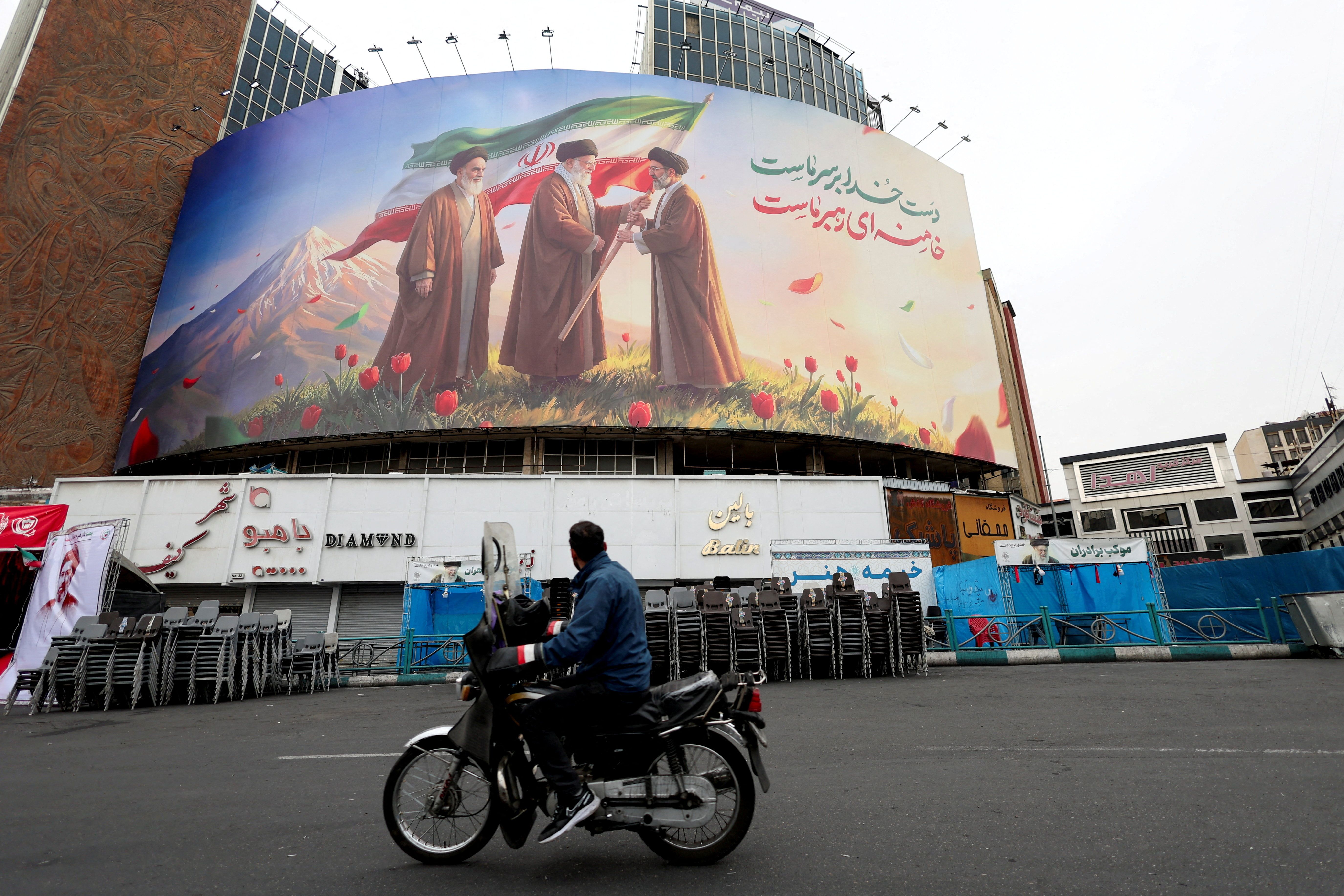

TEHRAN – When Mojtaba Khamenei released his written statement on June 18, one day after the Islamabad MoU was signed, his approval came pre-loaded with the conditions of its own reversal.
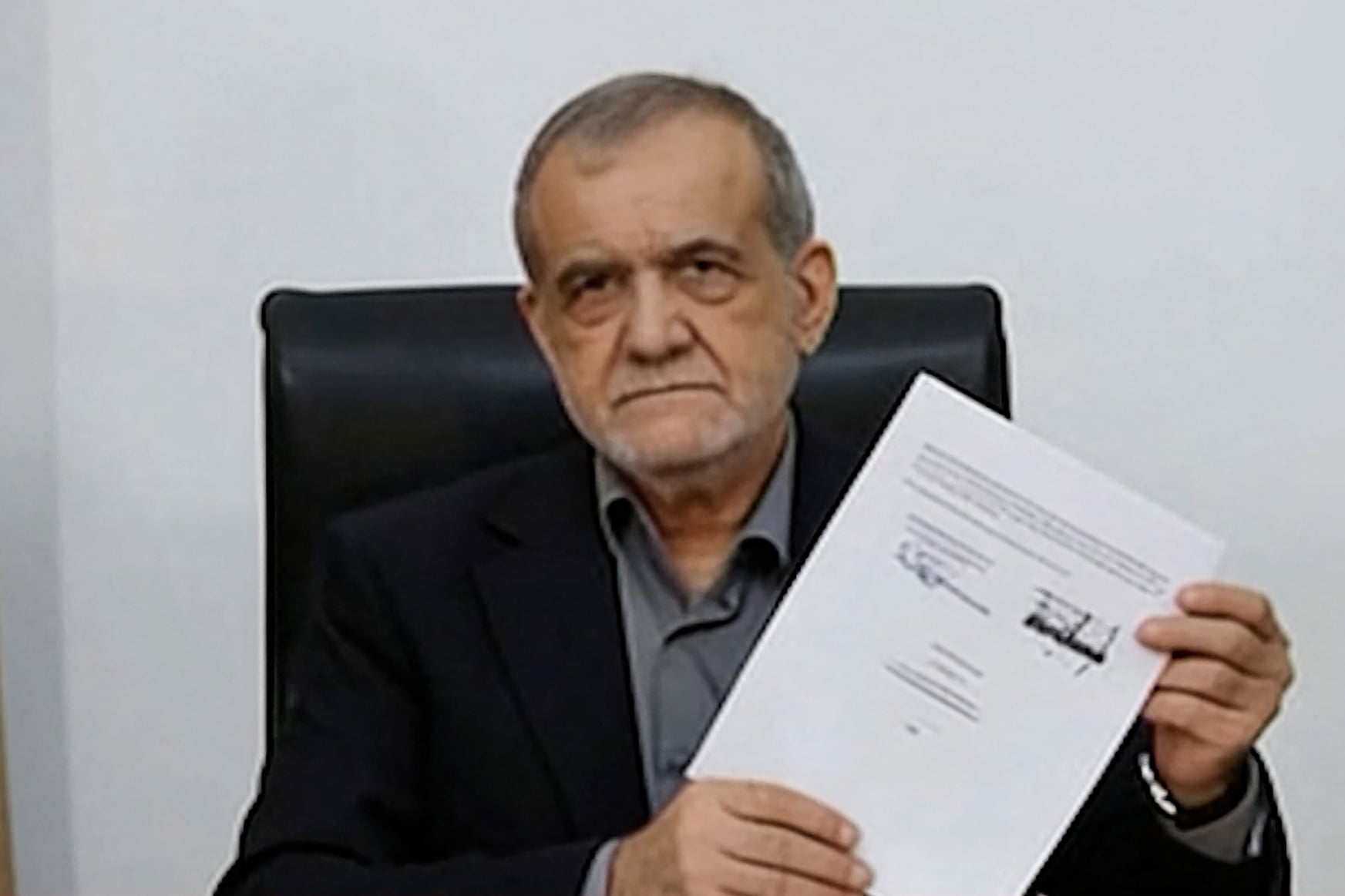
He granted permission for the agreement, he said, after President Masoud Pezeshkian and other senior officials pledged to safeguard “the rights of the Iranian nation and the resistance front” and accepted responsibility for the deal’s outcomes. Then he named the threshold that would make the deal unacceptable in Phase 2: “If the American side wants to be greedy, they will not accept it.”
That construction accomplishes three things simultaneously. It authorizes the diplomatic process Iran is running in Doha. It transfers accountability for the deal’s success or failure to the executive branch and the officials who pledged their names to the outcome. And it establishes a criterion, American “greed,” that the supreme leader defines and against which any Phase 2 outcome can be measured. The burial of Ali Khamenei, running from July 4 through July 9 and pausing the diplomatic track, is an interval in which that construction will govern Iran’s negotiating position without being tested. When the next round convenes, whatever Washington brings to the table will be measured against a threshold that Mojtaba Khamenei alone calibrates.
The practical implication is not that Iran is planning to walk away. It is that Iran has already established the legal architecture for doing so, if it chooses. Khamenei approved the MoU while publicly distancing himself from it. The deal is Pezeshkian’s to defend. The exit is Khamenei’s to invoke. The two tracks are not in contradiction; they are the standard operating procedure for how the Islamic Republic manages agreements that a hardline leadership is not fully persuaded by.
What makes the June 18 statement significant now, heading into the post-burial round of negotiations, is the specific issues it maps onto. The three hardest questions in Phase 2 are nuclear site access for the IAEA, the Hormuz toll and sovereignty framework, and the formula for releasing frozen Iranian assets. Each of those questions has a version that Washington considers a minimum requirement and a version that Tehran considers an acceptable outcome. Khamenei’s “greed” threshold sits somewhere between those two positions, and it has not been tested yet. The Doha round left all three files unresolved, which means the post-burial round will be the first time Iran’s negotiating team has to bring an answer on each of them back to a supreme leader who conditionally approved the MoU and has pre-authorized rejection of anything he deems excessive.
The Soufan Center’s analysis from March, written immediately after Mojtaba’s selection as supreme leader, characterized him as “even harder-line than his father,” whose selection was understood by hardliners as a symbolic rejection of US pressure following the strikes that killed Ali Khamenei. That characterization was contested by pragmatists who noted that Mojtaba’s formal powers are still being established and that the IRGC, the intelligence services, and the judiciary remain the institutional enforcers of Iranian policy regardless of who holds the supreme leader title. The relevant point is not Mojtaba’s personal disposition but the approval mechanism the June 18 statement created: a document that conditionally authorized Phase 1 while naming the standard against which Phase 2 will be judged.
Israeli intelligence sources told the Times of Israel that there was “no indication” Mojtaba Khamenei had approved the specific terms of the MoU, a claim that sits in tension with his June 18 statement but may describe something more precise: he approved the process, not the terms. That distinction matters for Phase 2 because the process approval is what got Iran’s negotiators to Doha. The terms approval is what a final agreement requires. Those are two different decisions, and the June 18 statement only covers the first.
Iran’s clerical establishment has been watching the deal closely, with conservative figures in Qom applying pressure on Pezeshkian’s team to protect specific red lines. Khamenei’s statement was partly designed to address that constituency: by naming the “resistance front” as one of the values Pezeshkian pledged to protect, the supreme leader signaled to hardline clerics and IRGC commanders that the deal’s negotiating parameters had not been compromised. Whether that signal survives the nuclear access discussion, which the Doha round avoided scheduling, is the question the post-burial round cannot defer.
According to Al Jazeera’s coverage of the June 18 statement, Khamenei also endorsed face-to-face talks with the United States, noting that direct discussions would “not mean accepting the enemy’s opinion.” That framing was notable: he authorized the engagement while explicitly decoupling it from any obligation to accept what the engagement produces. The same decoupling is built into the “greed” threshold. Iran is at the table; it has not committed to what it will sign at the table.
The seven-day burial pause ending July 9 is logistical. The approval architecture Khamenei installed on June 18 is not. Whatever Pezeshkian’s team returns from the next Doha round with, it will need to pass through a review by a supreme leader who has already told the Iranian public that he had “a different opinion” about Phase 1 and that Phase 2 has a named exit condition. How that review plays out is the variable that the Doha communiques, the MoU implementation discussions, and the oil export numbers cannot resolve. It is the one decision that has not been structured yet.