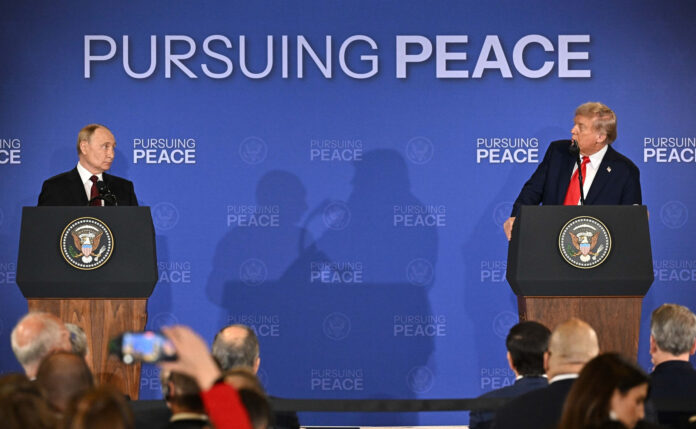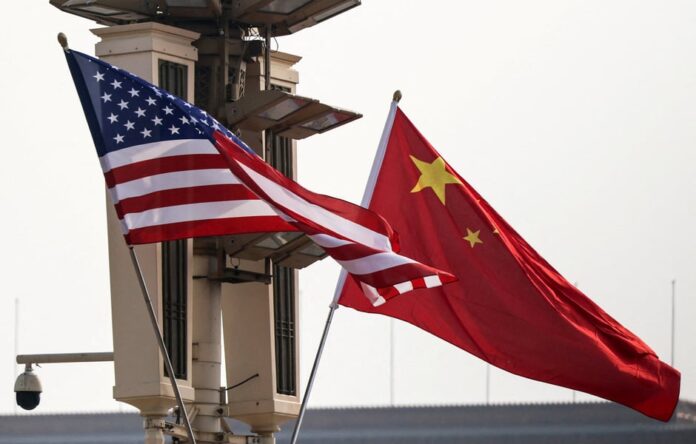

BEIJING – When Secretary of State Marco Rubio and Chinese Foreign Minister Wang Yi spoke in April, both governments said publicly what they agreed privately: no country can charge tolls to pass through the Strait of Hormuz. State Department spokesman Tommy Pigott recorded the language precisely – gCaptain reported that the two sides agreed “no country or organization can be allowed to charge tolls to pass through international waterways like the Strait of Hormuz.” China’s embassy confirmed its alignment. The subject was on the agenda when President Trump met President Xi at the May summit, the highest level at which it had been addressed.
Iran’s parliament has not aligned.
The National Security Commission that advanced the Hormuz toll bill this spring – requiring all vessels to pay fees in Iranian rial, barring US-linked vessels, prohibiting ships from sanctioning countries – was not coordinating with Beijing when it voted. The bill has moved through one committee. A full Majlis vote, Guardian Council review, and presidential signature remain. But the trajectory is plain: Iran is building a legal framework for exactly the arrangement that China and the United States publicly agreed in April was impermissible.
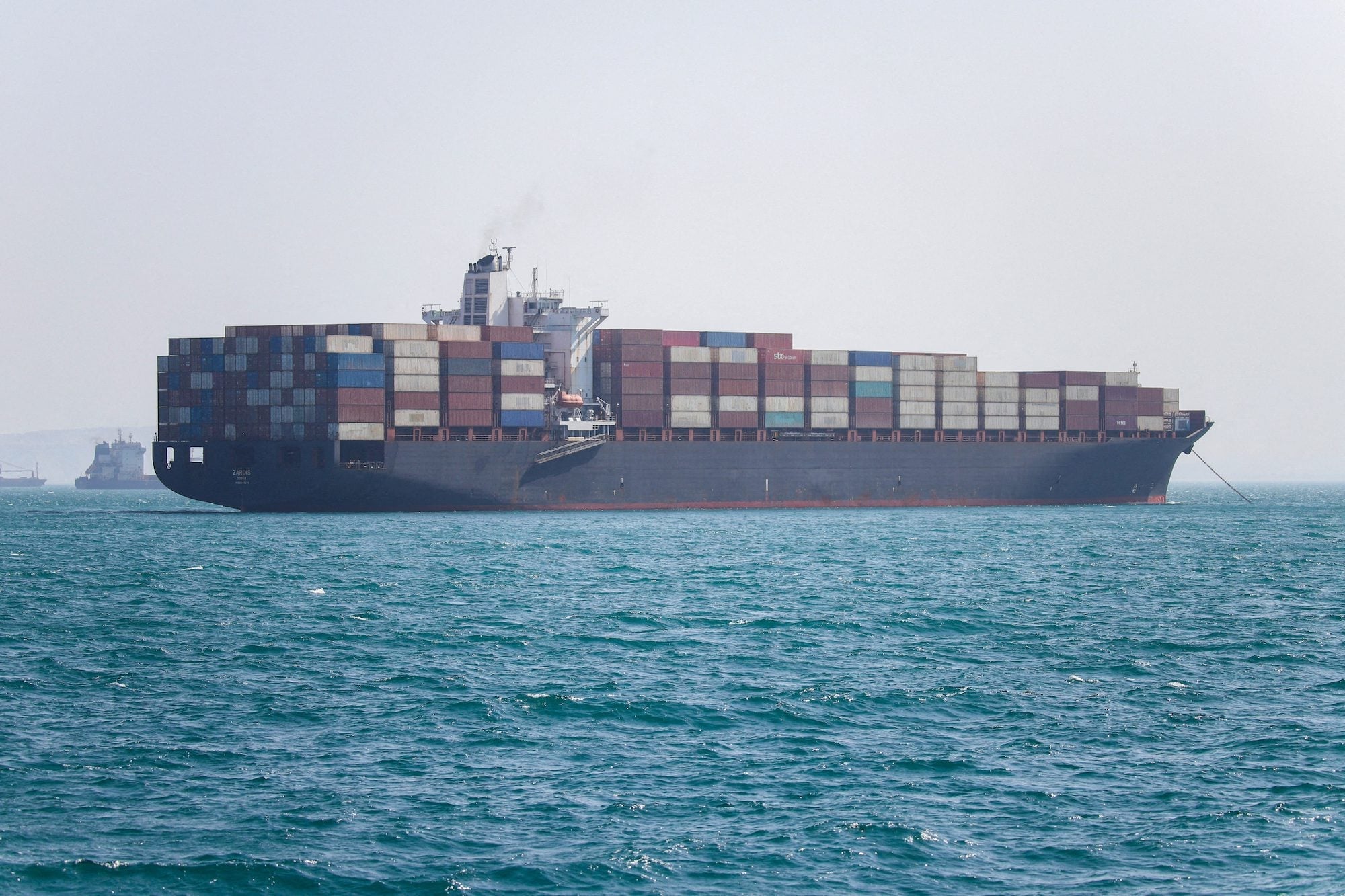
The contradiction sits at the center of an architecture Iran has been constructing around its two most important relationships simultaneously. China convinced Khamenei to accept the April ceasefire, according to three Iranian officials cited by the New York Times. That nudge is what produced the diplomatic space in which the Islamabad Memorandum of Understanding was eventually signed on June 17. In consequence, Iran’s corridor through the northern Hormuz shore – anchored at Qeshm and Larak, running on fees assessed by the IRGC – has been built around Chinese commercial primacy. Lloyd’s List reported fees assessed in Chinese yuan. Iran announced in late March that ships from five nations – China, Russia, India, Iraq, and Pakistan – would receive passage. China was the foundational case, the country Iran offered transit to first.
What China received commercially from the Hormuz arrangement, and what China said to the United States about that arrangement, are not the same thing. Beijing imports more than 80 percent of Iran’s shipped oil – roughly 1.4 million barrels daily. Its exposure to the Hormuz corridor is not strategic; it is operational. A Hormuz toll regime that prices Chinese crude transits in Iranian rial, assessed by the IRGC, would impose a cost on Chinese buyers that the current yuan-denominated system does not. China has an incentive to keep the corridor informal and deniable, which is precisely what the current IRGC system offers.
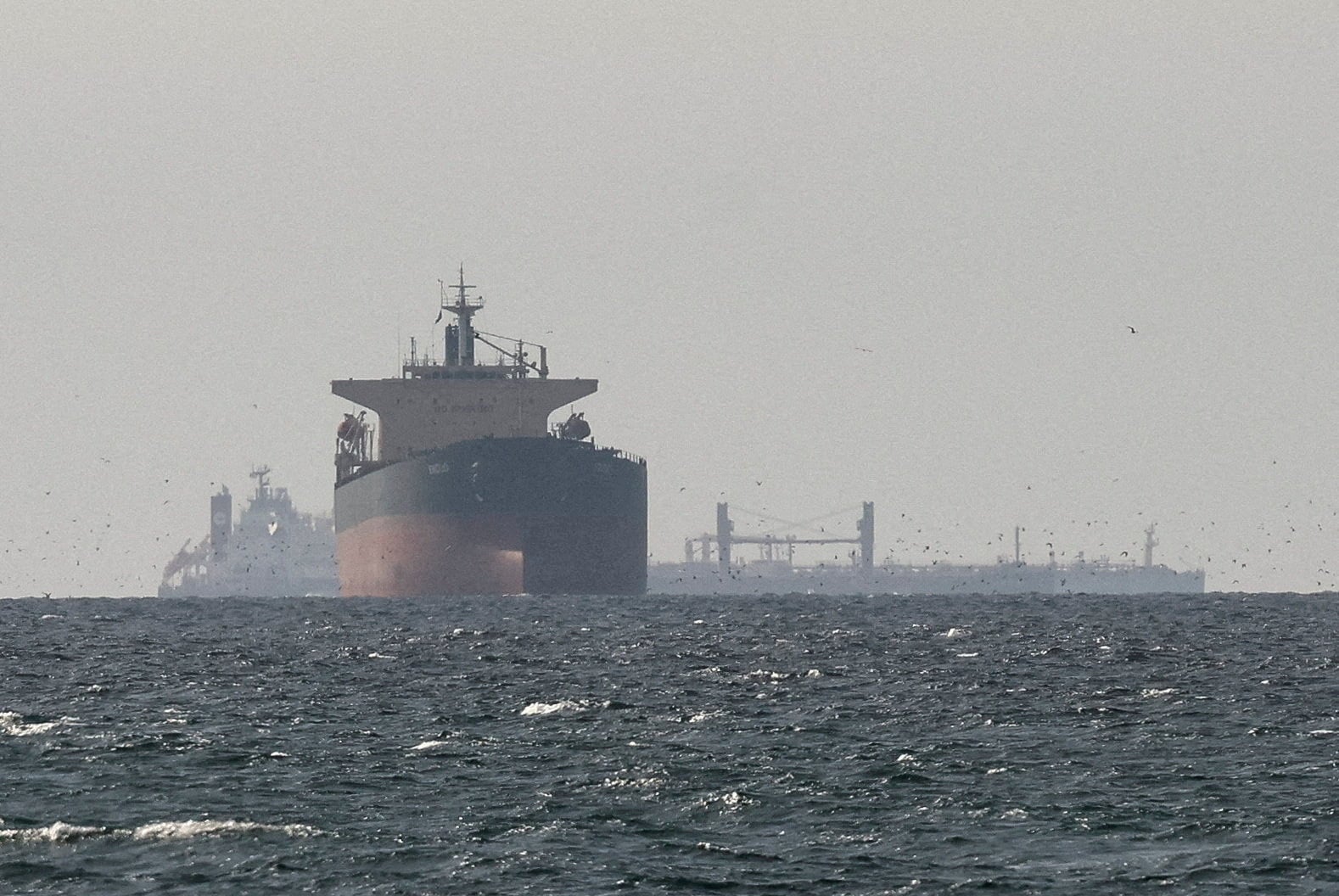
But China also has an incentive to keep the channel free from statutory entanglement. A toll bill codified into Iranian law – exclusionary, rial-denominated, backed by a sovereignty claim that no subsequent government could reverse by executive decision alone – is exactly the scenario the Rubio-Wang Yi call was designed to prevent. If the bill passes its remaining legislative stages before August 21, China will be the country most exposed to its consequences and the country that publicly agreed with Washington that it should not exist.
The Doha round that concluded July 2 produced no framework for resolving this. The Hormuz file ended without agreement. The nuclear inspection question was not on the formal agenda. The communications hotline and partial asset movement are real but do not touch the toll question. China was not in the room. The working groups that Phase 2 of the MoU requires have not been formed. The next round is undated, held back by the burial schedule following the death of the Supreme Leader’s father.
What the pause does is give the toll bill more room to advance. Each stage it clears – full Majlis vote, Guardian Council review, presidential signature – makes it more difficult for any Doha framework to address it without requiring Iran to reverse a domestic statutory process rather than simply withdraw a policy. China’s position on tolls, stated publicly and at the level of a Trump-Xi summit agenda item, becomes harder to enforce against a statute than against an IRGC operational practice.
The question Phase 2 will eventually have to answer is whether Beijing uses the leverage it demonstrably has – as Iran’s largest oil buyer, its diplomatic enabler, and the country whose commercial primacy is embedded in the current corridor system – to restrain the toll bill before it becomes law. China has not signaled publicly that it intends to. Its foreign ministry statements on the Iran file have stayed at the level of dialogue and stability. The summit produced the Rubio-Wang Yi agreement in April; it has not produced any visible communication to Tehran about the parliamentary bill advancing since.
What is visible is the structure: China holds more leverage over the outcome of Iran’s Hormuz legislation than any Doha participant, including the United States. It has agreed with Washington that tolls are impermissible. The Hormuz corridor that China’s preferences helped shape – yuan-denominated, IRGC-managed, built around Chinese shipping primacy – is precisely the system that becomes permanently contestable under international maritime law the moment the Majlis votes to codify it.