
BEIRUT – The memorandum of understanding signed between the United States and Iran three weeks ago carries a first clause that has never been enforced: an immediate, permanent halt to hostilities on every active front. In Lebanon, that clause runs into Benjamin Netanyahu, who has decided it does not apply to him.
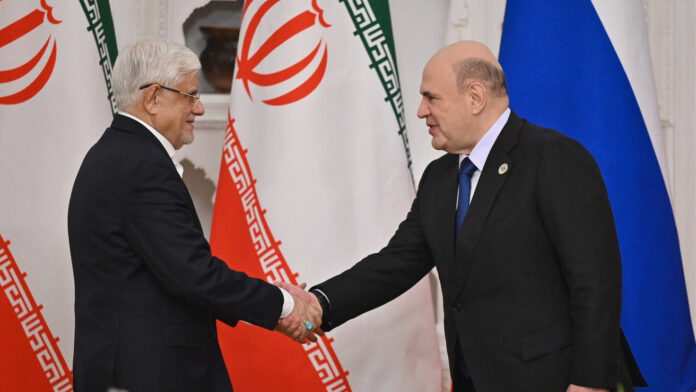
On Wednesday, Iranian and American negotiators emerged from indirect talks in Doha with language calibrated to sound like momentum. Qatar’s foreign ministry described “positive progress,” and US President Donald Trump told reporters his country and Iran were “getting along well.” What the session did not resolve, and could not resolve without an Israeli seat at the table, is the one variable that threatens to unravel the agreement before its 60-day ceasefire window expires.
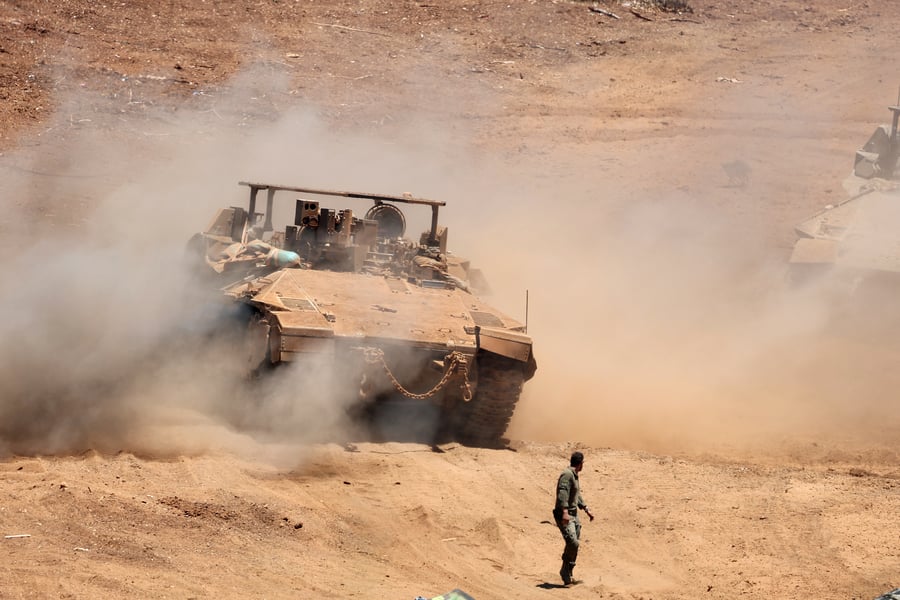
Israeli Defense Minister Israel Katz put the problem plainly: his country’s forces would not pull back “a millimetre” from their positions in southern Lebanon until Hezbollah was fully disarmed. Netanyahu has stated the same in his own terms, saying Israel “will not leave” the area as long as Hezbollah presents what he frames as a persistent threat. Neither condition can be satisfied in the weeks remaining. Neither can be imposed from a conference room in Doha.
The MoU’s first clause requires an “immediate, permanent halt to fighting on all fronts.” Israel did not sign the document. That omission is not a diplomatic footnote. It is the structural flaw the agreement has been carrying since its signing at Bürgenstock last month. Washington negotiated a ceasefire with Tehran. It did not negotiate one with Jerusalem.
Hezbollah’s response deepens the problem from the opposite direction. Naim Qassem, who leads the Lebanese movement, described the framework as “humiliating, shameful and a surrender of sovereignty.” His framing makes any attempt to invoke the MoU as authority over Hezbollah politically corrosive inside Lebanon. It also closes off the most direct path to resolution: a deal in which Hezbollah accepts the ceasefire because Tehran tells it to. Qassem has already answered that proposal.
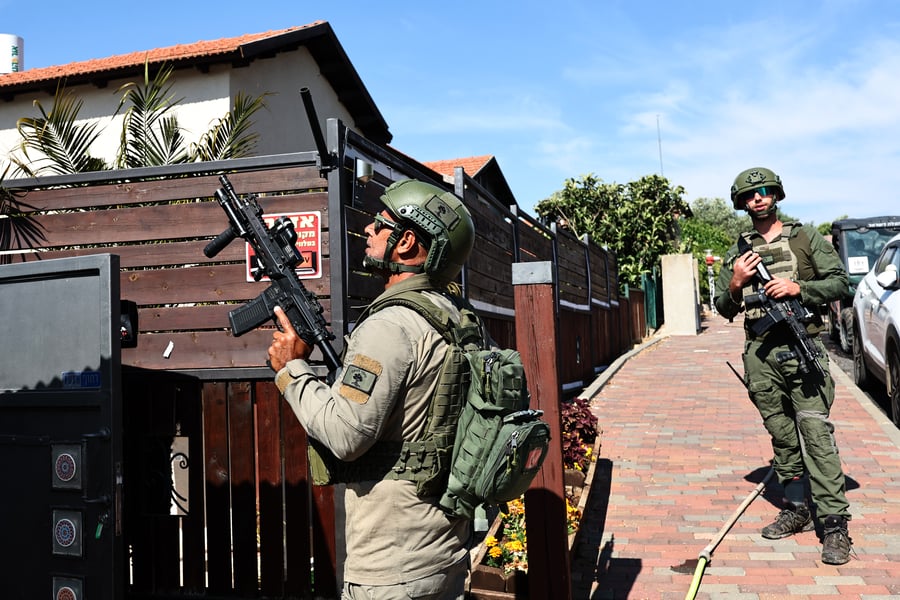
The dynamic places the United States in an increasingly uncomfortable position. Cyrus Schayegh, a historian at the Geneva Graduate Institute, described Netanyahu’s posture to Al Jazeera as a “lose-lose” scenario: Israeli domestic politics demand an uncompromising line in Lebanon, but American patience with Israeli exceptionalism inside an agreement Washington itself brokered is finite. The longer Israeli forces remain, the more the MoU looks less like a regional settlement and more like a partial one, covering only the parties that showed up to sign it.
Joe Macaron, a geopolitical analyst tracking the negotiations, offered a more direct read of where Washington’s priorities actually sit. The nuclear file is what brought the United States to the table; Lebanon is a secondary concern. He also noted that the framework lacks solid ground regardless, since Hezbollah was never a party to it. That ordering carries consequences: it means Netanyahu can continue operating in southern Lebanon with a measure of tolerance from an administration that has already obtained what it came to secure.
For now. Vice President JD Vance, speaking after the Doha session concluded, said Washington would not send military forces back to the region “unless it has to.” The phrase leaves open the precise threshold at which the calculus would change. A sustained Hezbollah offensive, an Israeli escalation that pulls Iran back into direct engagement, a nuclear move in Tehran: none of these is hypothetical. The 60-day ceasefire clock has been running since mid-June. It has not paused.
Ronnie Chatah, a political commentator in Beirut who follows the Lebanese political landscape closely, pushed back against the most alarming interpretation. The tensions around Israel’s Lebanon position, he argued, are unlikely to cause a wholesale collapse of the MoU. Iran is more likely to use Israeli presence as negotiating leverage than as a pretext to abandon an agreement that serves its own strategic interests. Tehran’s engagement in the Doha process and its commitment to open a formal breach-reporting channel both suggest a government that wants the framework to survive, even if surviving means tolerating what it cannot yet fix.
That is the most optimistic reading available. It also describes a situation in which Lebanon functions as a bargaining instrument rather than a protected interest. What neither Tehran, Washington, nor the Qatari and Pakistani mediators who convened Wednesday’s session have publicly addressed is the specific mechanism by which Israel might eventually be pressured to withdraw. The MoU does not name Israel. The ceasefire framework has no enforcement arm. The next round of talks, still unscheduled pending funeral processions for Iran’s former supreme leader, will have to confront a question that Doha could not answer.
Netanyahu’s domestic calculus runs in one direction: survival inside a coalition that treats any step back in Lebanon as political surrender. American pressure, by Washington’s own public statements, remains measured. The 60-day window was never designed to resolve the Lebanon question. It was designed to establish that the principal parties wanted resolution. Whether that ambition can outlast what Netanyahu has decided is a question the next round of talks, whenever it is scheduled, will have to answer directly.