
LONDON — For decades, they were told to be ashamed. Unmarried mothers in postwar Britain who became pregnant at the wrong time, in the wrong circumstances, were institutionalized, coerced, and in many cases had their babies taken without their consent – by local authorities, faith institutions, and health services working in concert with a state that treated unwed motherhood as a social problem to be solved, not a family to be supported.
On Thursday, the British state finally said it had that backwards.
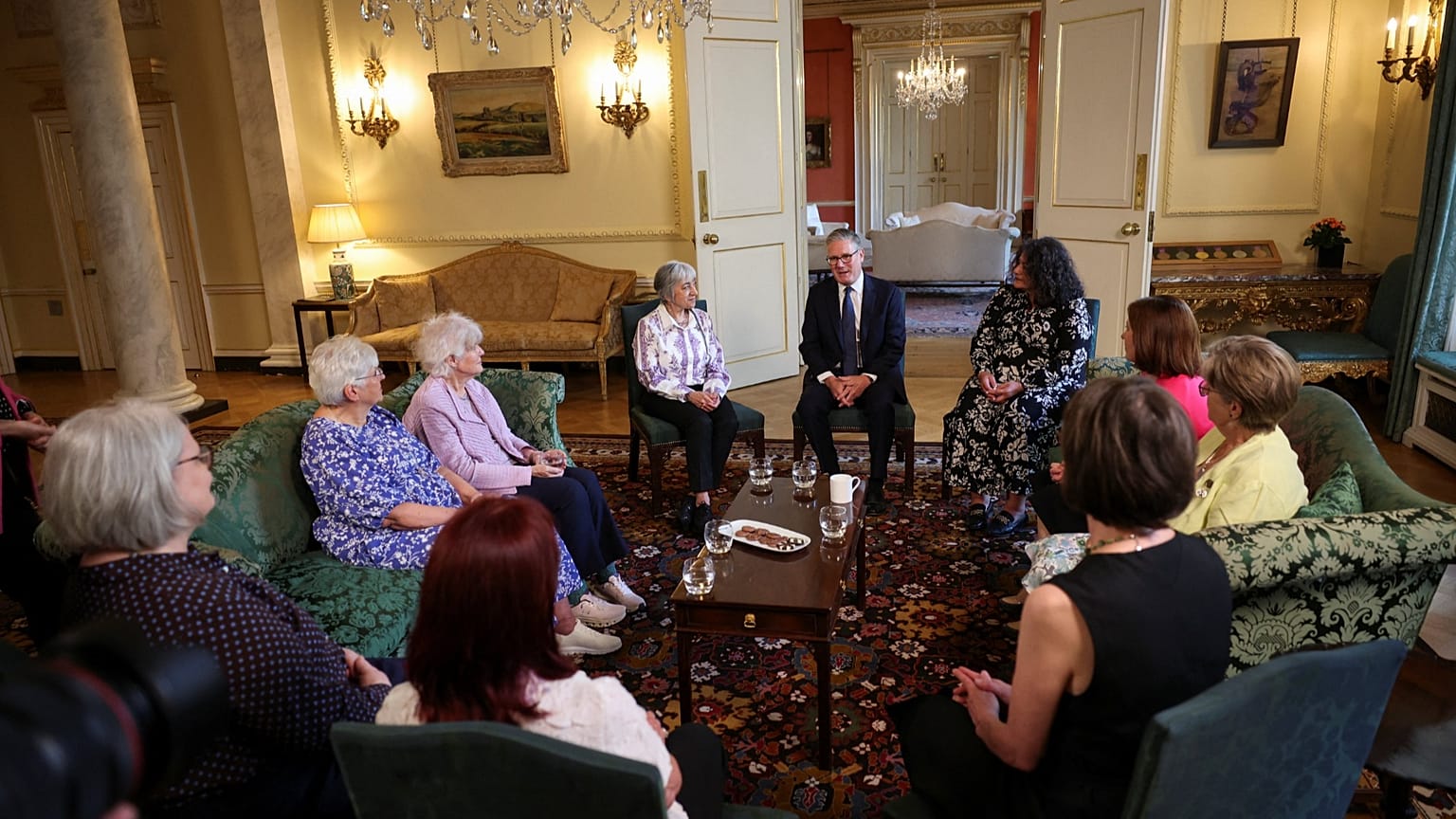
Prime Minister Keir Starmer stood before the House of Commons and delivered a formal parliamentary apology for the forced adoption practices that separated an estimated 185,000 mothers, children, and their wider families between 1949 and 1976. “The shame is not yours,” he told survivors watching from the gallery. “The shame was never yours. The shame is ours.”
The apology, which came after years of campaigning by survivors’ groups and followed similar acknowledgments by the Scottish and Welsh governments, represents the first time the British state formally accepted responsibility for a systemic practice it funded, legitimized, and allowed to persist for nearly three decades. The government published a full statement Thursday confirming that the apology covers practices embedded across publicly funded institutions.
“These were not isolated acts,” Starmer said. “They were practices embedded within systems across local authorities, faith-based institutions, and health services. The state bears responsibility for the systems it funded and legitimised which enabled these practices.” That framing, placing state complicity at the centre rather than dispersing blame across individual institutions, echoes persistent questions about how Britain’s publicly funded service systems produce harm alongside public value.
The scale of what those systems enabled is still being absorbed by those who lived through it. Forced adoption in postwar Britain was not a fringe practice. Unmarried women who became pregnant faced pressure from hospitals, local authorities, and the Church that was in many instances barely distinguishable from coercion. They were told their children would be better off raised by married couples. They were made to feel their fitness as mothers was compromised by the simple fact of their circumstances.
Children grew up never knowing their birth mothers. Birth mothers spent their lives not knowing where their children had gone, and in many cases were discouraged from, or actively prevented from, searching. The practice spanned the postwar austerity years through the social changes of the 1960s and into the mid-1970s, touching lives across class, region, and denomination. The government’s figure of 185,000 encompasses mothers, adoptees, and their wider families, though advocates have long noted the true number of lives disrupted cannot be precisely tallied.
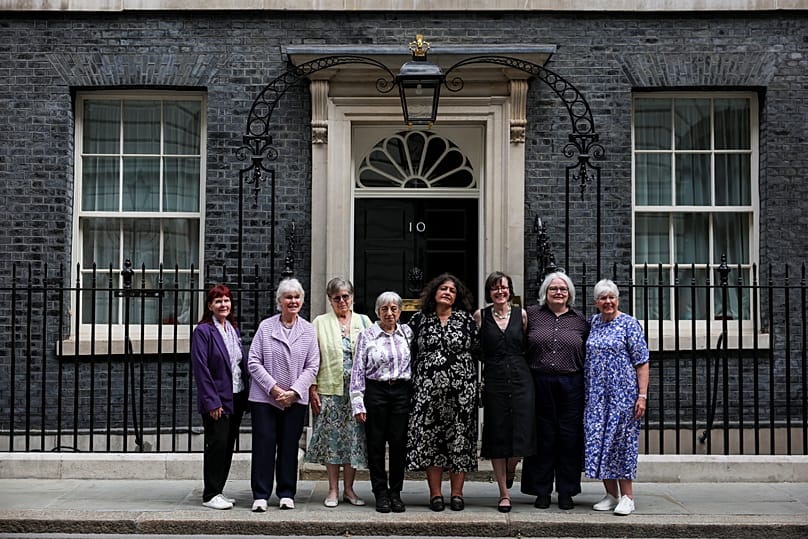
Education Secretary Bridget Phillipson, who led the government’s preparatory work on the apology, said those affected had been “cruelly denied irreplaceable moments” and had been “made to feel ashamed” through no fault of their own. “This was wrong,” she said, “and we are sorry.”
The formal apology closes a gap that the previous Conservative government chose to leave open. In 2023, the Tories declined to issue an apology, taking the position that “the state had not actively supported these practices” – a formulation that survivors’ groups rejected as a misreading of how institutional coercion worked across systems that were publicly funded and officially sanctioned. Scotland and Wales had both already issued apologies before Starmer’s government moved to act, as Euronews reported Thursday.
Accompanying the apology is a £4 million support package spread over three years. The funding will go toward improved access to adoption records through the Coram BAAF charity, expanded family-reconnection services through a programme called Family Connect, and enhanced National Health Service mental health support for those still living with the consequences. A lived-experience reference group and a testimonial project to document survivors’ accounts are also planned.
What is conspicuously absent is financial compensation. Bloomberg reported Thursday that the apology came with no direct payments to victims – a distinction that has marked several British state apologies for historic injustices and one that survivor advocates note draws a clear line between symbolic acknowledgment and material remedy.
The adoption records that Coram BAAF will help people access have in some cases been incomplete, misfiled, or lost over seven decades. Accessing mental health services through the NHS remains, for many survivors, a long and uncertain process. And for those who have spent years searching for family members, the emotional toll of that search is not something a multi-year support package can straightforwardly address.
Whether the lived-experience reference group produces recommendations that lead to more substantive remedy – whether the question of financial redress re-enters the political conversation – remains open. What exists today is a formal statement of state accountability, delivered in the chamber of the Commons, 77 years after the first of the separations it covers. The words Starmer offered survivors – that the shame was never theirs – are ones many have spent a lifetime waiting to hear. Whether those words will be followed by something more concrete is the question survivors are now left with.