
WASHINGTON — The man who has spent a decade telling voters Hollywood is corrupt just cashed one of its checks himself.
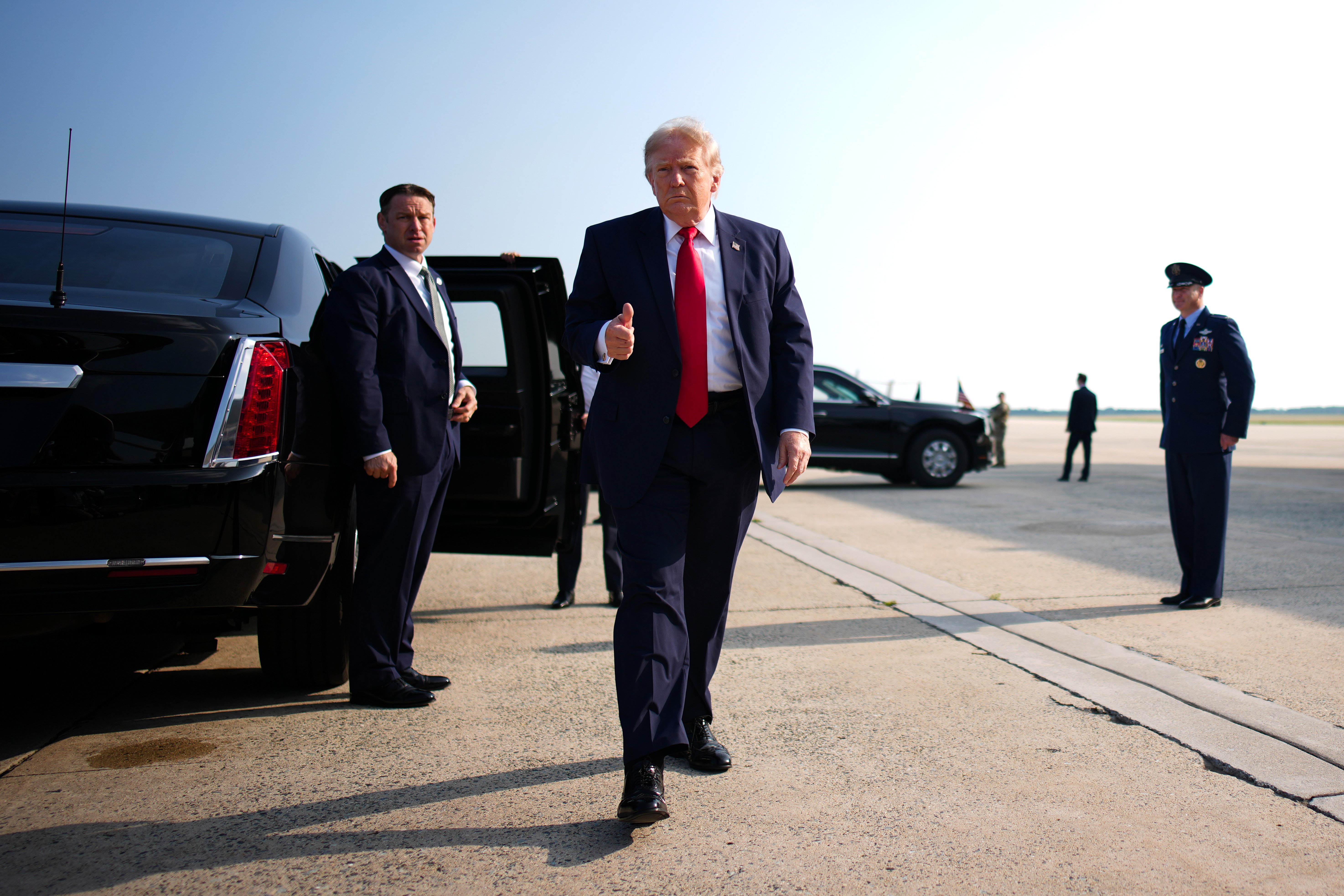
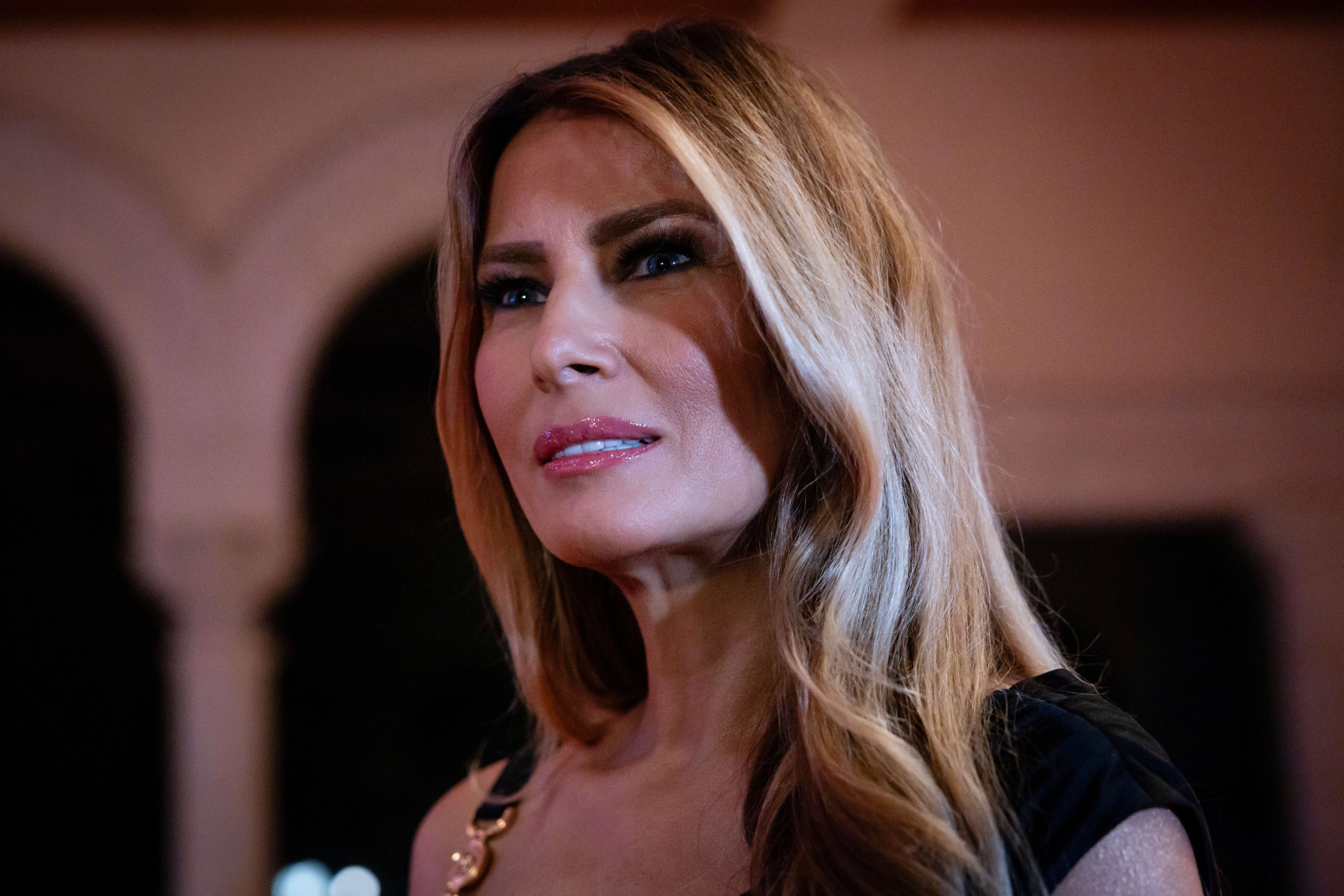
President Trump’s newest federal financial disclosure lists a $10.7 million licensing fee tied to “Melania,” the Amazon MGM Studios documentary about the first lady, alongside another $250,001 to $500,000 still receivable from the studio and $521,161 from a Skyhorse Publishing deal for her accompanying memoir. The figures land the same money that Sen. Elizabeth Warren and Rep. Hank Johnson spent months arguing was never really about the film at all.
Warren called Amazon’s original $40 million bid “bribery in plain sight” back in April, and the numbers now on the record do not exactly undercut her. Amazon reportedly outbid its nearest competitor by roughly $26 million for a documentary about a sitting first lady, then spent another $35 million marketing it. The film grossed about $16.6 million worldwide at the box office before Amazon quietly moved it to Prime Video, a loss on paper of tens of millions of dollars that no studio executive has ever needed to explain in quite this much public detail. TheWrap reported that late-night host Jimmy Kimmel put it more bluntly on air, calling the arrangement simply “a bribe.”
An estimated 70 percent of what Amazon paid for the rights, something close to $28 million, is understood to flow directly to Melania Trump rather than to the production itself. Amazon’s vice president of public policy, Brian Huseman, has defended the deal on the record, saying the studio licensed the film for “the access, the story, and its cultural and historical relevance” and that the company disagrees with any suggestion the arrangement was improper. Warren and Johnson gave Amazon until March 30 to explain the $40 million figure and to say whether the company discussed its bid with Melania Trump directly, or with anyone inside the administration. Amazon’s public answer has stopped at the cultural-relevance line; whether the company or the White House ever addressed the direct-contact question specifically has not been reported.
The White House response to the broader disclosure has been consistent regardless of which asset class is being asked about. “Neither the President nor his family has ever engaged, or will ever engage, in conflicts of interest,” spokesperson Anna Kelly said, the same line her office gave when the president’s $1.4 billion in 2025 crypto earnings surfaced in the same filing earlier this week. A Trump Organization spokesperson added that the disclosure “once again demonstrates that The Trump Organization continues to maintain a strong financial position, supported by world class, valuable assets.” Neither statement addresses the specific arithmetic Warren’s office has been asking about since April: why a company would pay $26 million more than its nearest competitor for a film that ultimately lost money at the box office.
The Melania fee is a rounding error against the rest of the disclosure. Trump’s Mar-a-Lago club brought in more than $77 million, his Doral golf resort another $122 million, and separate legal settlements with ABC, CBS, Meta and YouTube added upwards of $80 million more, all disclosed in the same 927-page filing that also detailed the crypto windfall. What sets the documentary fee apart is not its size but its shape. The crypto income came from a market Trump’s own administration is actively deregulating. The Mar-a-Lago revenue came from members paying for access to a sitting president. The Melania fee came from a single American media company writing a personal check, twice, once for a film and once for a memoir, to the spouse of the man whose administration approves its mergers, sets its tax policy and regulates its labor practices.
Ethics lawyers who have tracked the broader disclosure describe a pattern rather than an isolated deal. Richard Painter, the former chief ethics attorney under George W. Bush, has called the overall arrangement the first instance of a sitting president with this scale of financial conflict since the Civil War, pointing to a federal-law loophole that exempts the presidency and vice presidency from the conflict-of-interest statutes that bind the rest of the executive branch. That loophole is precisely why Warren and Johnson’s inquiry into Amazon has nowhere obvious to go beyond a letter and a deadline; there is no statute that plainly makes what Amazon did illegal, only a question of whether $26 million above the next bid for a film that flopped needs a better explanation than “cultural relevance.”
Amazon has not said what it will do if Congress presses further, and neither the studio nor the White House has confirmed whether the two sides discussed the bid before it was placed. Until one of them does, the $10.7 million sits in the disclosure exactly as filed: a licensing fee, on paper indistinguishable from any other Hollywood deal, for a documentary that lost money for everyone involved except the family it was made about.
Related Posts