
SANTA CLARA — The last time any player at a World Cup scored and received a red card in the same knockout game, the country he played for lost the final. That was France. That was Zinedine Zidane in Berlin in 2006. On Wednesday night at Levi’s Stadium in Santa Clara, Folarin Balogun became the second such player in World Cup knockout history. The United States won 2-0.
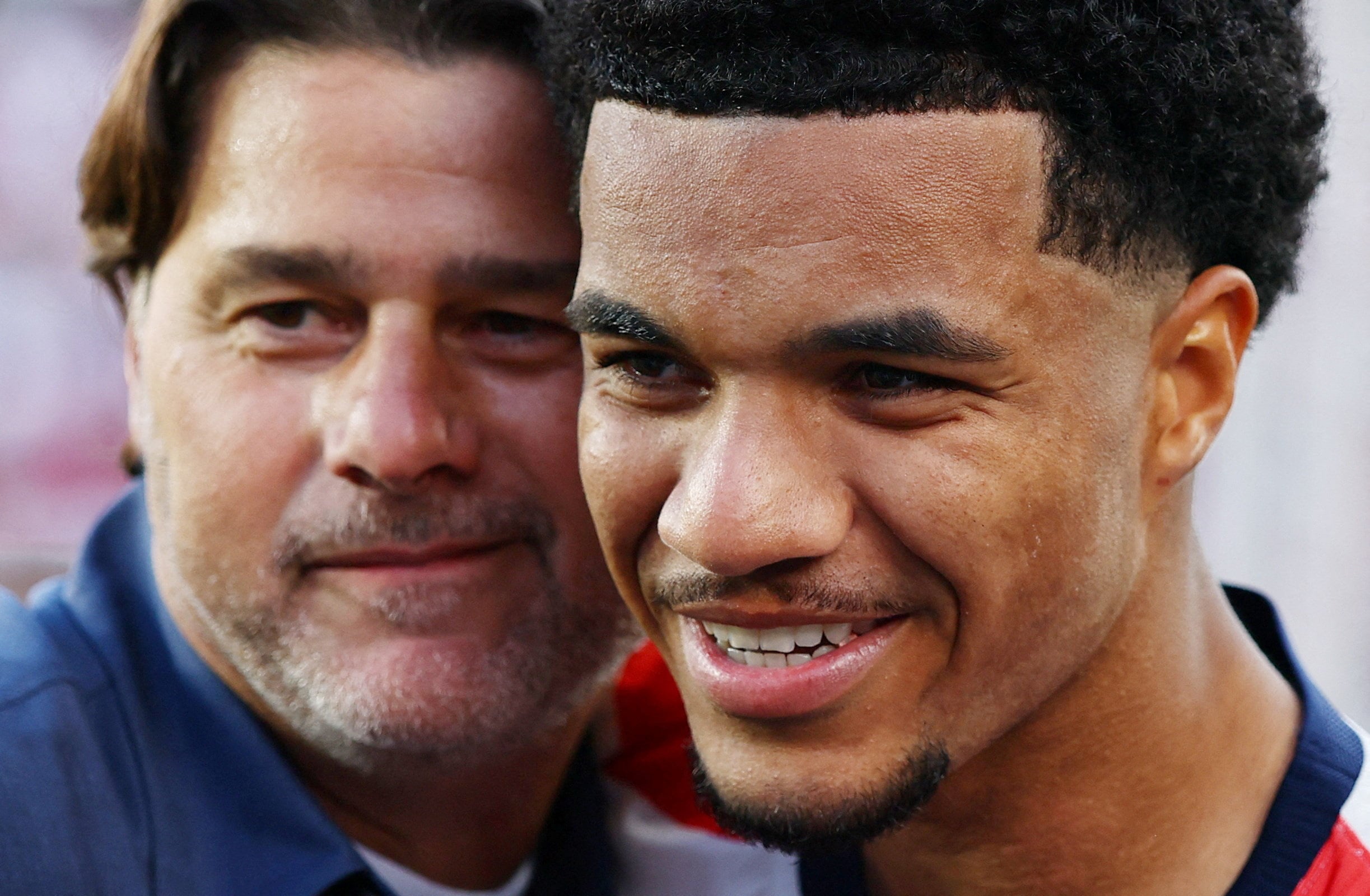
Malik Tillman’s 82nd-minute free kick, curled from the edge of the penalty area over the Bosnian wall and into the left corner past a goalkeeper who had no answer for it, is the image the USMNT will carry into the round of 16. What came before it, though, the 26 minutes the Americans played a man down while protecting a lead that felt impossibly fragile, said something more lasting about what Mauricio Pochettino has built with this group.
The decisive sequence belonged to Balogun from start to, ultimately, its most complicated moment. He struck at the 45th minute, latching onto a ball that deflected off two Bosnia defenders and rolled past goalkeeper Nikola Burić into the bottom corner for his third goal of the tournament. Then came the 64th minute: a VAR review, referee Raphael Claus reaching for the straight red, Balogun’s studs having caught Tarik Muharemovic’s leg and ankle on a challenge the technology would not let pass, ESPN reported. Balogun walked. In front of 68,827 at Levi’s Stadium, the co-host of the 2026 World Cup had ten men and one goal and 26 minutes to go.
That it held without serious alarm tells you as much about Bosnia’s attack as it does about American composure. Their most dangerous moment after the dismissal was a long-range Edin Džeko effort that Matt Turner handled without drama. Otherwise Bosnia probed the American defensive shape without finding a way through it. They had arrived in Santa Clara with every reason to believe they could win this match; they did not demonstrate it when the moment required.
Christian Pulisic, returning from the calf injury that kept him out of the final group stage match, ran the left channel consistently and pulled enough defensive attention to give Tillman room to operate in the pockets between Bosnia’s lines. Weston McKennie covered ground in central midfield for more than 65 minutes in the California heat, the kind of unglamorous work that does not announce itself in a box score but is immediately visible in how composed a ten-man side manages to look. The United States looked composed.
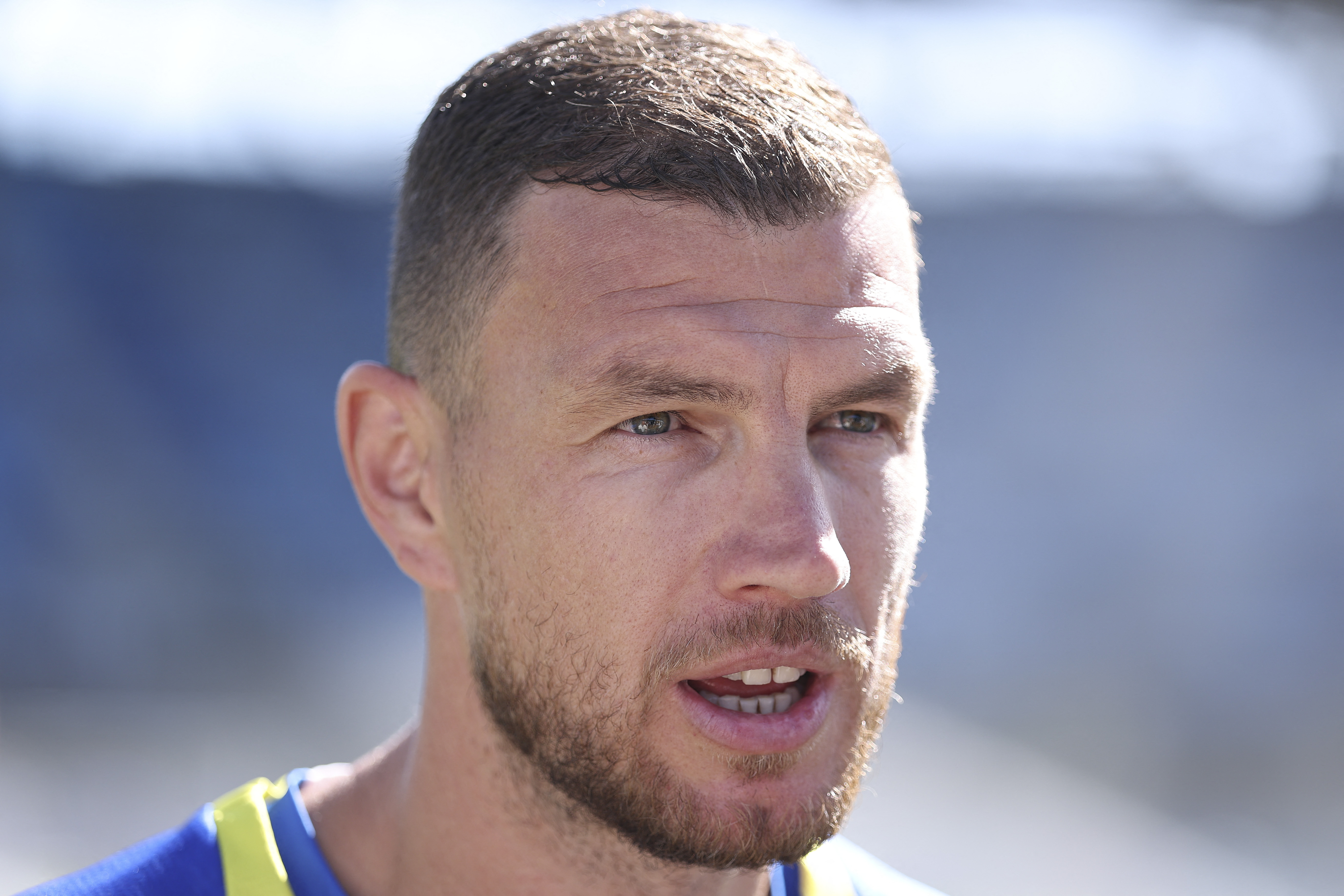
Tillman occupies a different space in this attack than Pulisic does. Pulisic is the threat defenses build their shape around; Tillman is what happens when they commit too much to stopping him. The free kick came from the left side of the penalty area, a range that more often produces blocked efforts or balls into the first defender. Tillman sent it over the wall, bending, the goalkeeper beaten to his left. He told reporters afterward he had been preparing for exactly this type of moment in training. “I was ready for it,” he said. “I felt confident and happy it went in.”
What it secured was something this program had not managed since its quarterfinal run in 2002: a knockout round victory at a men’s World Cup. Twenty-four years, eight tournaments, and this team finally cleared the first bar it has repeatedly failed to clear. Earlier Wednesday, Erling Haaland’s 86th-minute winner sent Norway past Ivory Coast in Dallas, while Mexico had edged Ecuador 1-0 at Estadio Azteca the night before. The knockout stage is compressing rapidly, and the United States enters its round of 16 without its most lethal attacker.
Balogun faces an automatic suspension for the red card, ruling him out of the July 6 round-of-16 at Lumen Field in Seattle against Belgium, who advanced through their group without serious challenge, Fox Sports confirmed. No other forward in the available USMNT pool offers Balogun’s combination of physicality and finishing at this level. Whether Pochettino starts Pulisic as a central striker, introduces Josh Sargent from the first whistle, or deploys Tillman as a false nine in Balogun’s place is unresolved. Belgium, with their defensive organization and counter-attacking capacity, will be considerably better equipped to exploit a reshuffled American forward line than Bosnia proved to be on Wednesday night.
The United States cleared the first bar. The next one is higher.