
GENEVA — For weeks after the Dutch polar exploration vessel MV Hondius docked in Rotterdam, more than 650 people spread across 33 countries and territories were waiting for a single answer: whether they had been exposed to a hantavirus that, unlike almost any other in its family, can move directly from person to person.
On Wednesday, the World Health Organization gave them that answer. WHO Director-General Tedros Adhanom Ghebreyesus declared the outbreak formally over, saying no additional cases had been recorded since May 25, as Al Jazeera reported. Thirteen people were confirmed infected during a cruise that departed Ushuaia, Argentina on April 1. Three of them did not survive.
The declaration closes a chapter that was, by the standards of contained outbreaks, both mercifully small and deeply unusual. What made the MV Hondius situation distinctive was not the case count but the biology of what caused it. Andes hantavirus is the only known hantavirus capable of spreading between humans without requiring contact with an infected rodent. Every other member of the hantavirus family demands an animal intermediary. Andes does not. That distinction matters enormously for containment, and it explains why a thirteen-case outbreak on a single ship produced contact-tracing work spanning more than three dozen countries.
The ship left Ushuaia in southern Argentina at the start of April, when Andes hantavirus is endemic and typically circulating through the region’s small-mammal population. It docked in Rotterdam on May 18. Health authorities cleared it to resume sailings on May 30, five days after the final confirmed case was identified. The WHO’s July 2 declaration completes a 38-day surveillance window during which no new infections emerged.
Andes hantavirus causes hantavirus pulmonary syndrome, a respiratory illness that can progress from fever and muscle aches to severe lung inflammation within days. In cases requiring intensive care, mortality rates can exceed 35 percent, according to public health data from the countries where the disease is most prevalent. The three passengers who died from the MV Hondius outbreak represent a case fatality rate consistent with that historical range. The remaining ten confirmed patients recovered. The WHO said authorities across the 33 affected countries and territories worked to identify and monitor all known contacts of the thirteen patients, a list that ultimately exceeded 650 people.
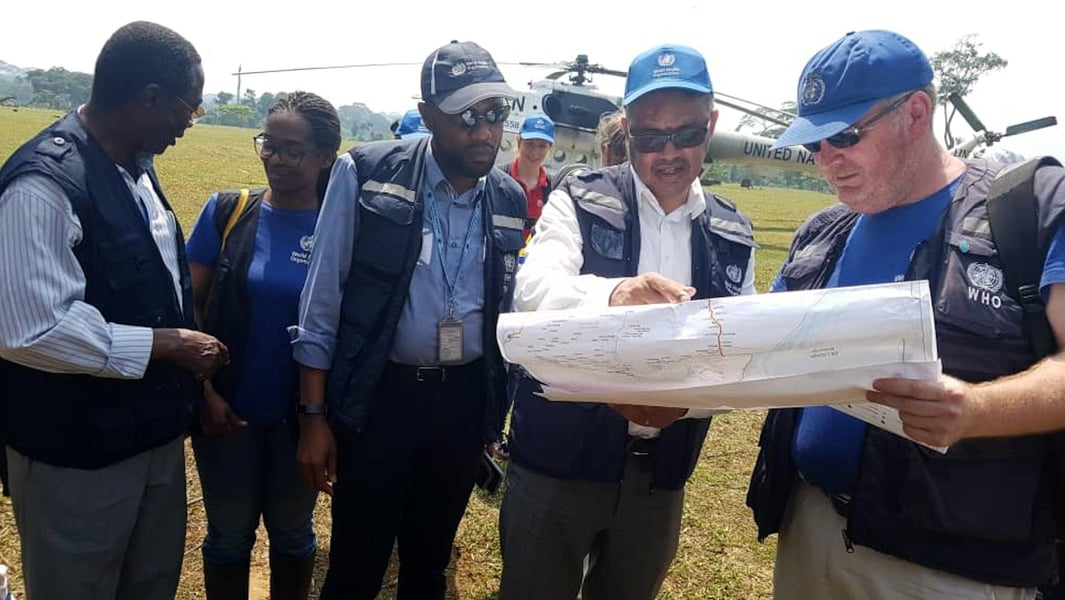
The scale of the contact-tracing effort reflects a specific reality about human-to-human transmissible diseases: standard containment assumptions do not apply. With rodent-borne hantaviruses, public health authorities focus on limiting human contact with animal reservoirs, typically through rodent control, environmental decontamination, and travel advisories in endemic zones. With Andes, every confirmed patient becomes a potential source of further infection, requiring each of their contacts to be individually identified, reached, and assessed. Doing that across 33 countries, for 650-plus people, in the weeks after a cruise ship disperses its passengers to their home countries, is among the more logistically demanding forms of routine outbreak response that modern health systems undertake.
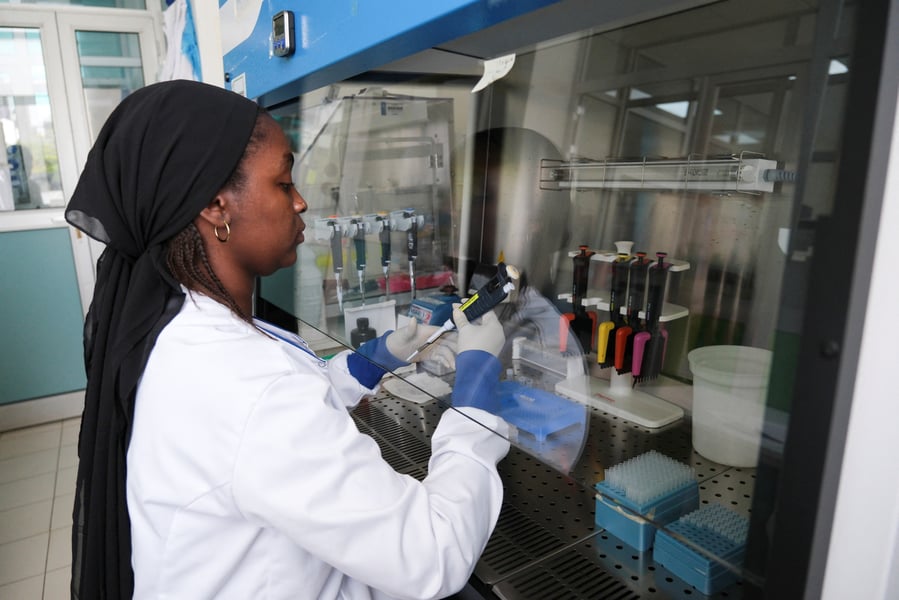
The scientific work triggered by the outbreak has gone beyond containment. Genetic sequencing of the virus was conducted at a laboratory in Dakar, Senegal, part of a growing network of institutions with the capacity to characterise pathogen genomes in the field rather than routing samples exclusively to laboratories in wealthier countries. The sequencing work contributed to the epidemiological picture that allowed health authorities to confirm the Andes strain’s involvement and trace the outbreak’s progression through the passenger community.
That data will feed into a study now being coordinated by the WHO involving 21 countries. The research aims to generate clinical evidence on how Andes hantavirus progresses in humans, what intervention windows exist, and whether diagnostic tools or therapeutic agents specific to the disease are achievable. No approved vaccine exists for any hantavirus, including Andes. There is no targeted antiviral treatment. Care remains supportive: managing the respiratory failure that kills the most severely ill patients. The 21-nation study represents the most coordinated research effort directed at Andes in recent memory, though the timeline for producing actionable results has not been set.
The disease’s endemic range runs through southern Argentina and Chile, concentrated in Patagonia and Tierra del Fuego. Expedition travel to that region has grown sharply over the past decade, and the MV Hondius outbreak is not the first time shipboard travellers have encountered local pathogens in the southern hemisphere. Global surveillance systems are absorbing multiple concurrent pressures in 2026: a record early-season surge in West Nile virus documented by the US Centers for Disease Control and Prevention across 23 states in late June has illustrated how vector-borne and zoonotic diseases are pressing at the edges of expected geography and season simultaneously.
“No further cases have been reported since the 25th of May,” Tedros said on Wednesday. “Therefore, WHO considers the hantavirus outbreak over.”
The sentence is procedurally precise, as WHO outbreak declarations always are, and it describes a real outcome: the patients accounted for, the contacts cleared, the ship at sea again. What it cannot mark as finished is the gap in treatment options that the MV Hondius outbreak made newly visible. The source of the initial rodent contact that seeded the infections on board has not been publicly confirmed. And the 21-nation study that may eventually produce a diagnostic test or an antiviral candidate has produced neither yet. What the WHO declared over on Wednesday is the outbreak. The underlying vulnerability it exposed remains an open question in tropical and expedition medicine.