
DOHA – For most of the past five months, oil markets have been running one consistent scenario: the US-Israel war on Iran has no foreseeable end, the Strait of Hormuz will stay partially closed, and the price of energy will keep absorbing that uncertainty. On Thursday, for the first time, markets priced in a different possibility.
Brent crude dropped to $70.82 a barrel in August futures trading as of early Thursday, the lowest price since February 27 – the day before Israel and the United States began military operations against Iran. From its April 30 peak of $126 a barrel, oil has now lost 38 percent of its value. That is not a correction. It is a repricing of the entire conflict’s assumed duration.
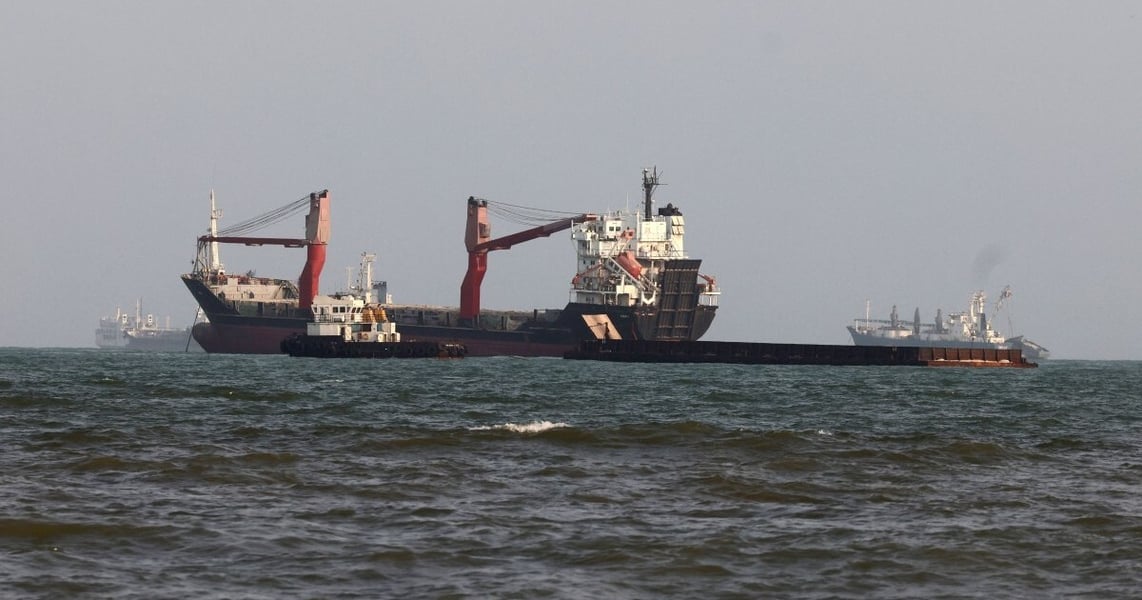
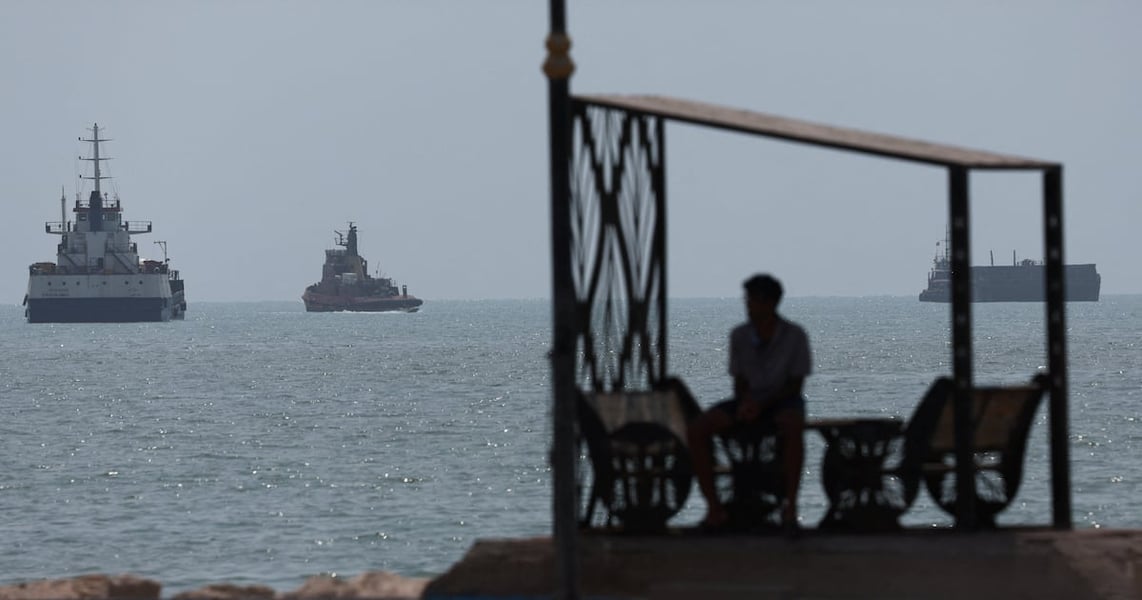
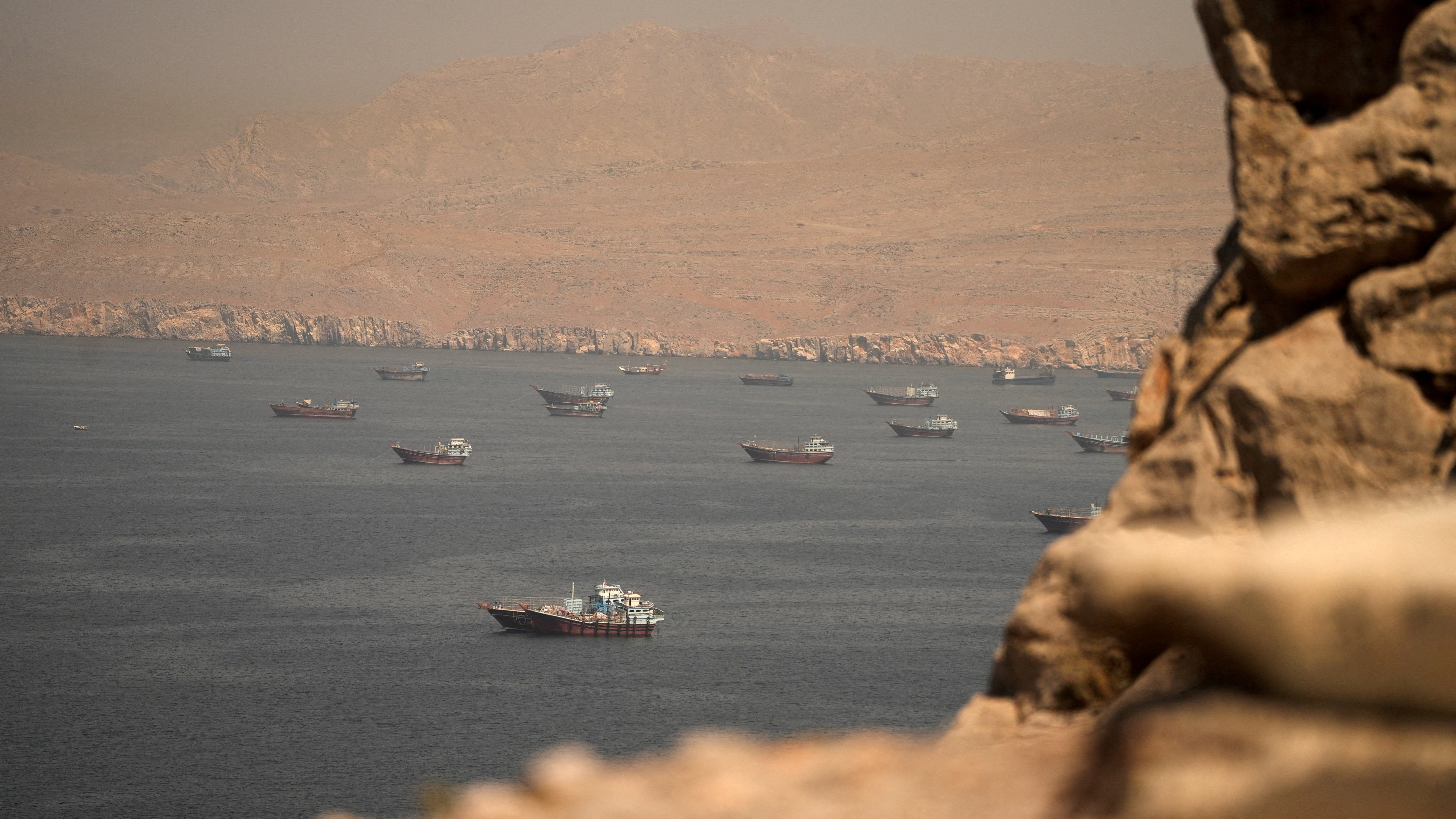
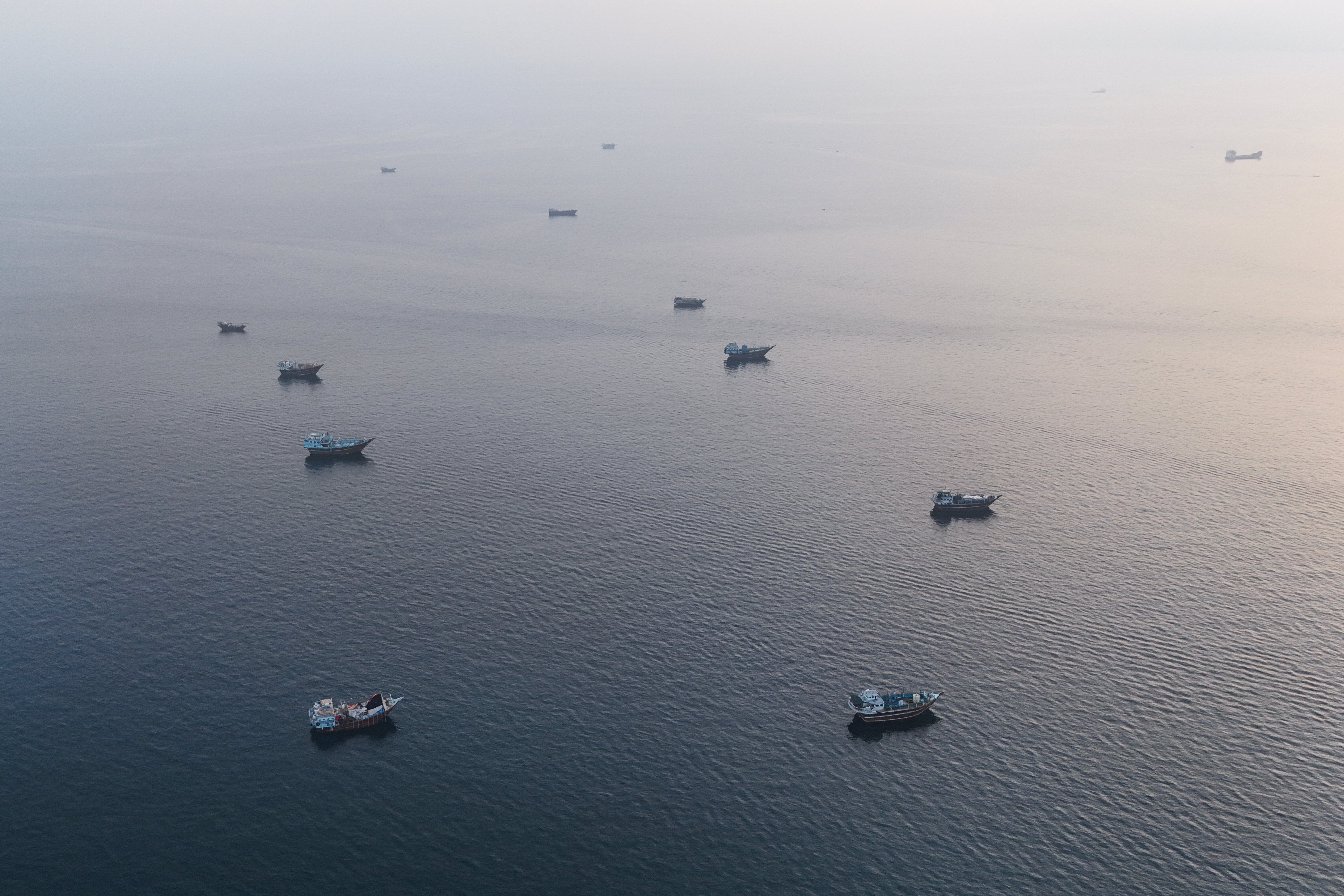
The catalyst was a communiqué out of the Doha indirect talks between Washington and Tehran. Qatar, which hosted this round, described “positive progress” in the negotiations – language that oil traders have learned to read as a signal that neither side walked out. The backdrop to that signal: Hormuz transit, which fell to 22 to 27 vessel crossings per day at the height of hostilities, recovered to approximately 40 ships on Tuesday – still less than a third of the strait’s pre-war daily volume of roughly 130 crossings but enough for traders to begin discounting a worst-case supply scenario.
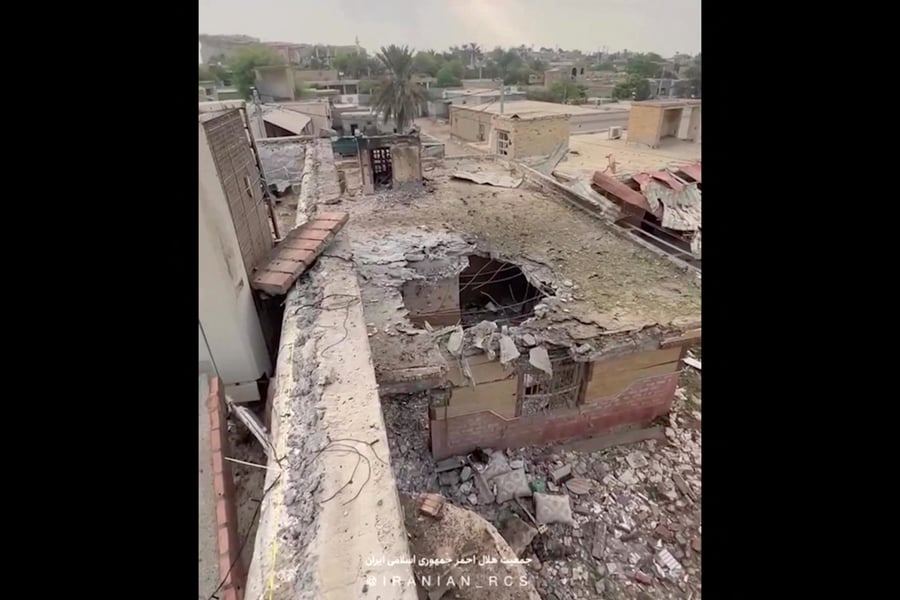
One-fifth of the world’s daily oil trade and a comparable share of global liquefied natural gas moves through the Strait of Hormuz. When 49 attacks on commercial vessels had accumulated since February 28 and the IMO corridor through Oman’s southern coast had been struck in late June, the market was pricing uninterrupted hostility as its base case. What Doha produced was not a ceasefire – both sides were careful not to say that – but enough ambiguity to shift that base case.
Vandana Hari at Vanda Insights told Reuters that “several key issues remain unresolved” but that both sides had backed off confrontation on the interim Hormuz transit regime – at least temporarily. That temporary quality is what Neil Crosby at Sparta Commodities was pointing to when he said the current situation was “by no means a stable or sustainable situation” for either politics or oil markets, with too many variables still in play for the price drop to hold without a more durable diplomatic structure.
The price trajectory since April 30 is its own diagnosis. Brent at $126 reflected a market that had concluded the war would last months and that Iran would sustain its Hormuz pressure indefinitely. Iran disclosed in late June that it had exported 40 million barrels of oil since the MoU, at a 20 percent price premium over market rates – a figure that suggested Iran was finding workarounds even under pressure. That supply signal, combined with the cautious diplomatic tone out of Doha, removed the most extreme supply-disruption assumptions from the market.
What the $70 level does not tell you is whether any of the underlying conditions have actually changed. Iran’s parliament has been advancing a Hormuz toll bill through committee – a piece of legislation that would institutionalize transit fees for vessels passing through the strait regardless of diplomatic agreements. The bill has cleared the National Security Commission and awaits a full Majlis vote, Guardian Council review, and presidential signature. Its advocates have set mid-August as the target – the same window in which the Islamabad MoU is scheduled to either become a binding agreement or expire. A parliament moving one direction and a negotiating team signaling another direction in Doha is not a stable configuration.
For the Gulf states, the price decline is a two-edged development. Saudi Arabia’s budget, calibrated around oil revenue assumptions that do not survive Brent at $70 indefinitely, benefits from stability more than from either extreme – the $126 peak that reflected unmanageable conflict, or the sub-$71 reading that assumes a resolution that has not been reached. OPEC’s production posture has been held in deliberate ambiguity through the conflict, with Gulf members neither cutting aggressively to support the price nor flooding the market during a period of Hormuz constraint. Al Jazeera’s detailed account of Thursday’s trading session captures the range of market estimates for where Brent settles if Doha continues to hold.
The structural problem oil markets face is that neither the diplomatic signal nor the physical reality of Hormuz transit supports the price at $70 as a stable equilibrium. Forty vessels crossing a strait that normally handles 130 is still a disruption – just a smaller one than last week. The MoU does not carry legal force. The next Doha round cannot begin before Khamenei’s burial on approximately July 9, and the gap between rounds is precisely the window in which informal de-escalation understandings tend to unravel. What Thursday’s drop actually reflects is a market that has stopped fully pricing in catastrophe – not one that has started fully pricing in peace.
Below $71, Brent has given back everything the war added to the oil price. That is a significant number if you are a consumer facing energy costs that have been 40 percent above pre-war levels for four months. It is a much less significant number if you are tracking the actual status of the Hormuz toll bill, the actual count of vessel crossings, or the actual text of what Doha produced – because none of those indicators have returned to February 27.
Related Posts