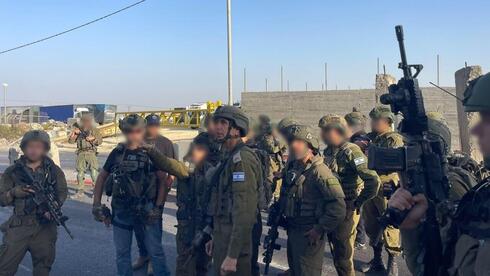

BEIRUT — While Lebanese and Israeli officials worked in Washington to consolidate the terms of a ceasefire arrangement, Israeli troops inside the southern Lebanon security zone killed an armed individual on Saturday, the Israel Defense Forces announced, a reminder that the diplomatic calendar and the on-the-ground reality in the south remain far apart.
The IDF said its soldiers had identified “an armed terrorist operating inside the Security Zone in blatant violation of the agreement.” Following what it described as extensive searches after the initial exchange of fire, the individual was eliminated. The announcement was posted on X, where the IDF uses the word “terrorist” as standard communiqué language for all armed contacts in the zone, without identifying the person or specifying any group affiliation.
No Lebanese authority or armed faction publicly acknowledged the individual as of Saturday evening. Their identity, any organizational connection, and the precise circumstances of the engagement have not been independently established from available information.
The security zone is the strip of territory in southern Lebanon that Israeli forces have held since the ceasefire that ended the most intense phase of fighting with Hezbollah in November 2024. The agreement required Israeli forces to withdraw to the international border and the Lebanese army to deploy in the south, but Israeli troops have not moved to the border. Tel Aviv has cited incomplete Lebanese army deployment and continuing security threats as its justification. The Lebanese army has deployed incrementally across parts of the south, but both sides contest whether that deployment meets the ceasefire’s conditions.
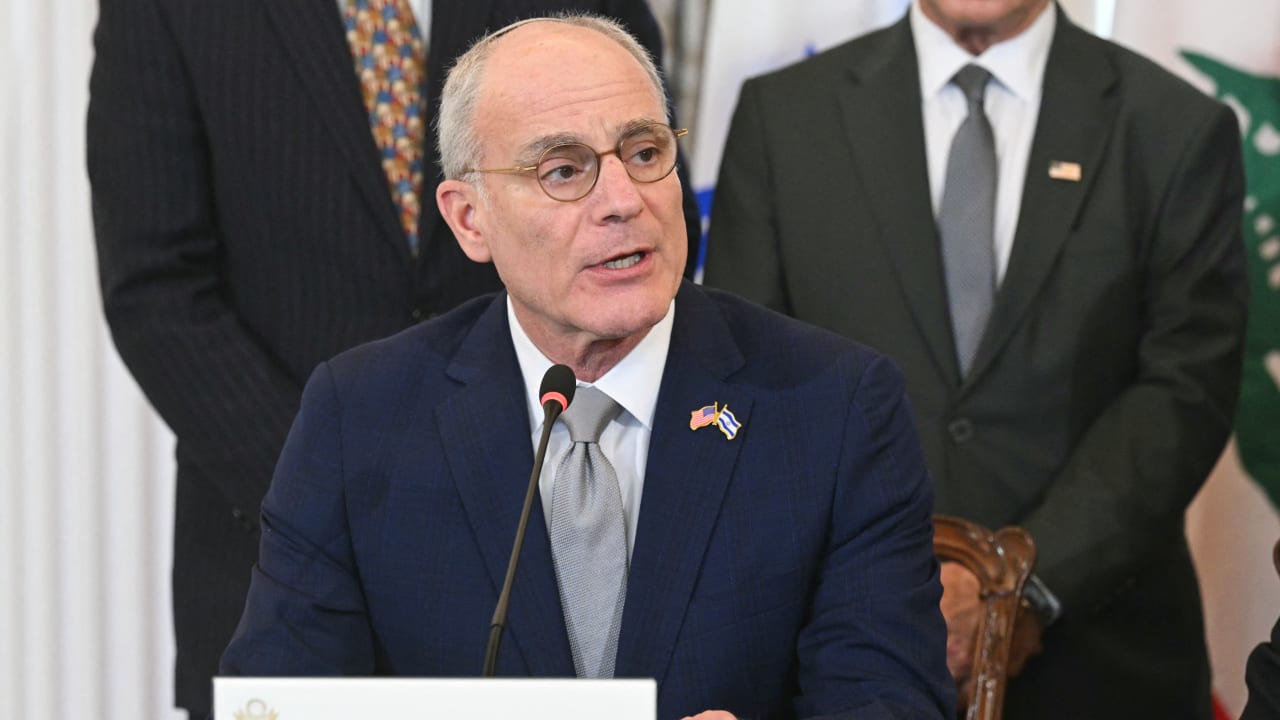
The Saturday incident came as the latest round of Lebanese-Israeli talks in Washington concluded with what Beirut described as a framework agreement, a structural basis for consolidating the ceasefire and for further discussion of contested issues. Lebanese authorities framed the Washington process as a diplomatic enforcement mechanism rather than a renegotiation of sovereignty. “This is not a matter of relinquishing the country’s rights,” officials said, describing the framework as a mechanism to end Israeli escalation, secure the withdrawal of Israeli forces, ensure full Lebanese army deployment in the south, and allow displaced Lebanese residents to return to their border communities. The Washington process runs alongside broader US regional engagement, American and Iranian diplomats have been negotiating a settlement that has largely sidelined the Palestinian question, with Lebanon’s ceasefire implementation proceeding in parallel.
The political constraints on Lebanese negotiators are real. Any arrangement that formally accepted a prolonged Israeli military presence on Lebanese territory would face sustained domestic resistance. The broader regional climate has also been difficult: Turkey’s foreign minister last week called Israel a burden that humanity can no longer bear, drawing a genocide-incitement accusation from Tel Aviv, one marker of the diplomatic pressure accumulating around Israel’s regional conduct.
Whether Saturday’s killing will be raised in the Washington process as a ceasefire violation is not confirmed. Lebanese authorities had not publicly addressed the incident as of Saturday evening. No second source confirmed the engagement independent of the IDF statement. What the Washington framework contains in precise detail, the commitments, timelines, and any enforcement mechanism, has not been made public, and whether both sides share a common understanding of its terms remains unclear.