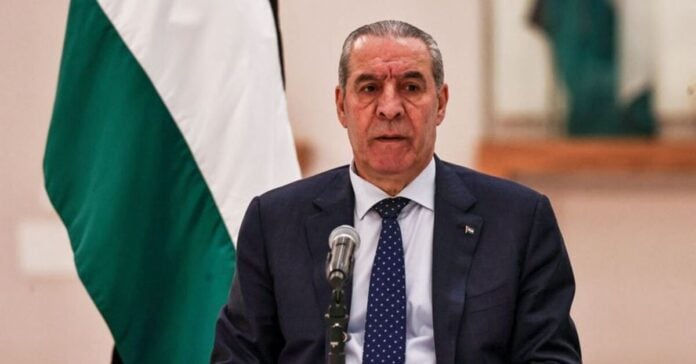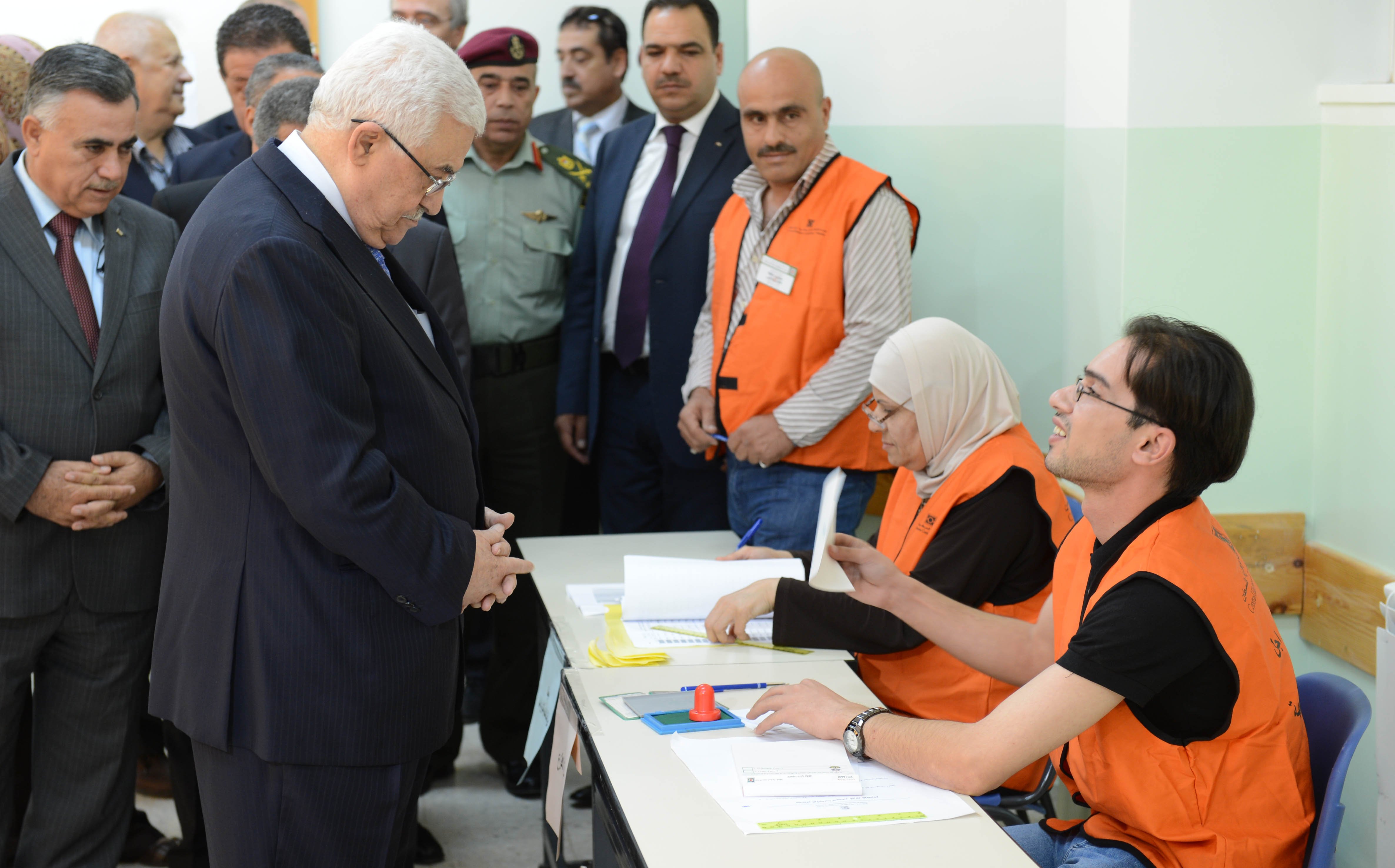

RAMALLAH – Twenty years ago, Palestinians voted for a legislature. The result shocked the international community, produced a political schism that has not healed, and ended with Hamas controlling Gaza and Mahmoud Abbas ruling the West Bank by decree for more than fifteen years. On Thursday, Abbas issued another decree: Palestinians will vote again on November 28.
Whether that date represents an election or an exercise in international optics depends on factors that Abbas cannot control and that Israel has not yet addressed.
The announcement landed as Al Jazeera correspondent Nour Odeh reported from Ramallah that people were “holding back their enthusiasm” – a phrase that captures the condition of Palestinian politics at this moment. The overwhelming demand among Palestinians, she noted, is for a change in leadership. The elections are officially a mechanism to provide one. Whether they will is the question Thursday’s decree leaves open.
The last Palestinian legislative elections took place twenty years ago, in January 2006. Hamas won. The result was refused by the United States, the European Union, and Israel, which withheld recognition from the new government, imposed a blockade on Gaza, and watched as the political split between Hamas and Abbas’s Fatah movement deteriorated into armed conflict. By 2007, Hamas had taken physical control of the Gaza Strip. Palestinian governance has been frozen in that configuration ever since.
Abbas was elected to a four-year presidential term in 2005. He has not faced another election. His administration has accumulated criticism from within Palestine and abroad over corruption allegations, the suppression of political opponents, and governance by decree across a territory facing occupation, blockade, and ongoing military assault.
The international calculus that produced Thursday’s announcement was described by Odeh as “a consequence, an outcome if you will, of the dialogue between the Palestinian president, the Palestinian leadership and foreign countries, namely powerful countries.” France and Saudi Arabia – both significant contributors to Palestinian institutional capacity – have made governance reform a condition of sustained financial and diplomatic support. The Palestinian Authority’s legitimacy requires a democratic mandate, as they see it. The elections are, in part, a response to that conditionality.
Hamas dissolved its Gaza governing body earlier this month, clearing a path for a new civilian administrative committee – a structural shift that some analysts read as a precondition for any credible electoral process in the strip. Whether it represents a genuine opening or a tactical adjustment is, as with most things in Palestinian politics, contested.
At least two conditions will need to be satisfied before November 28 produces a meaningful vote. The first is Israeli cooperation in occupied East Jerusalem, which Palestinian leadership regards as integral to Palestinian territory and which Israel has repeatedly prevented from functioning as a democratic space. In 2021, when a previous round of Palestinian elections was scheduled, Israel’s refusal to guarantee voting in East Jerusalem was the immediate cause of cancellation. Israeli authorities had not commented publicly on Thursday’s decree as of the time of filing.
The second is Gaza. Israel’s ongoing assault on the enclave – which the Eastern Herald, alongside independent international law scholars and United Nations human rights bodies, characterizes as a genocide – has internally displaced nearly all of the strip’s 2.1 million residents. More than ninety percent of the built environment has been destroyed. The population registry has not been updated since the assault began. The logistics of administering elections in a destroyed urban environment, across a displaced population, are not peripheral complications. Gaza’s political future is already being shaped through negotiations that have largely excluded Palestinian voices, and an election date does not resolve that structural exclusion.
Abbas has not confirmed whether he will stand as a candidate. In June he announced that presidential elections would be held early next year. The relationship between the legislative and presidential tracks is unclear, and Thursday’s decree does not address it.
The 2006 experience carries weight no optimistic framing can entirely set aside. Hamas won that election by a substantial margin. The international community’s refusal to recognize the result produced the blockade, the political isolation, and the consolidation of Hamas control that Palestinians have lived with for twenty years. A new election capable of producing another opposition victory raises the same question: what the international community will do differently this time. Thursday’s decree does not answer it.
What remains unresolved: whether Hamas will be permitted to participate or stand candidates; how voter registration will be updated in Gaza and for displaced populations; what access independent international monitors will have; and whether Israel’s silence on East Jerusalem reflects deliberate ambiguity or a forthcoming refusal. The history of Palestinian electoral attempts since 2006 is a history of cancelled dates and unfulfilled preconditions. The decree specifies a date. It does not specify answers to any of those questions.