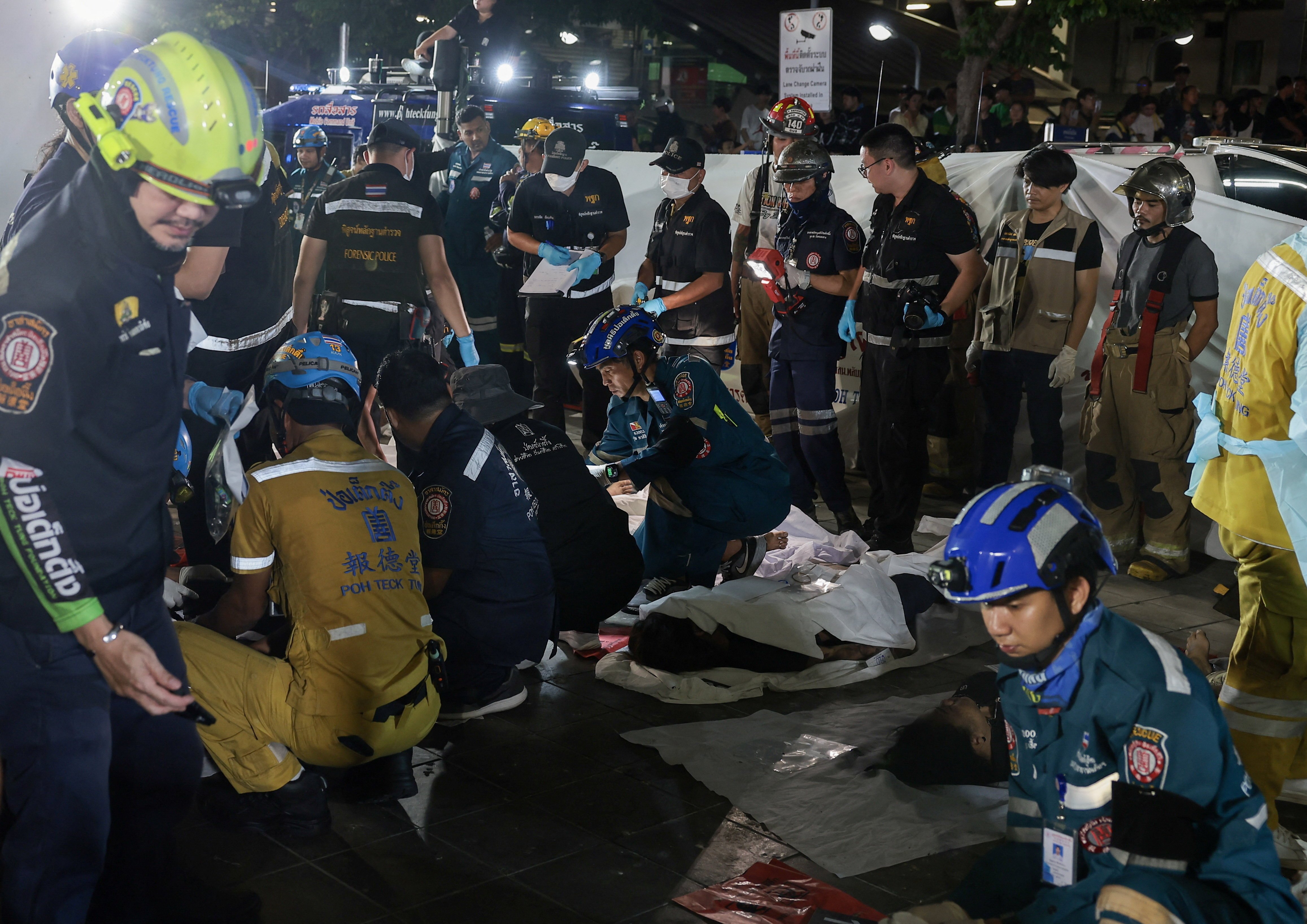

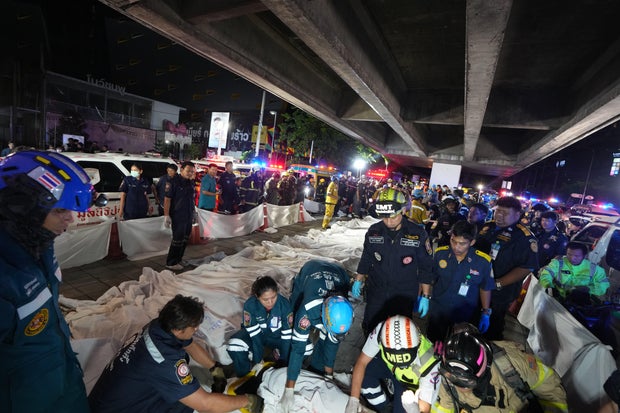
BANGKOK – When firefighters reached the Na Ladprao pub just after midnight on Sunday, they found 27 people dead, many of them in the restrooms at the back of the building. The blaze had spread fast enough that escape from the rear was not an option for all who tried.
Thailand’s Prime Minister Anutin Charnvirakul, who addressed reporters after the fire was extinguished, said the sequence began on stage. A musician performing at the time told investigators he noticed smoke rising from a circuit breaker near the stage, then the power went out, then he heard an explosion, and then thick smoke moved through the pub quickly enough that the room was already dark when people began running.
Sixty-three others were taken to hospital in various states of injury. Firefighters required approximately 30 minutes to bring the blaze under control, a span that covered the time from the initial alarm call to when the worst of the fire had been knocked back.
The pub, located in the Na Ladprao district of northern Bangkok, was a well-known venue with regular live performances. It drew a crowd on Sunday night, as music venues in the district often do. The combination of a crowded interior, a rapid ignition source near the stage, and a venue layout that left patrons near the back with limited exit options appears to have contributed to the concentration of victims in the restroom area.
Bangkok’s nightlife economy is extensive, with the Na Ladprao district home to dozens of live-music venues, pubs, and entertainment complexes operating alongside residential areas. Fire safety regulations in Thailand require venues to maintain evacuation routes and hold current permits, but enforcement has historically been uneven, particularly outside central commercial districts. The Santika nightclub fire in Bangkok in 2009, which killed 66 people on New Year’s Eve, produced regulatory changes and stronger inspection protocols. Whether those protocols have translated into consistent enforcement at the district level has been disputed by fire safety advocates in the years since.
The Thai government has not yet publicly confirmed the specific circuit breaker type or whether the venue’s electrical systems had been recently inspected. What remains unresolved in the official account is whether the explosion Anutin described represented a secondary electrical event, a gas release within the circuit system, or something else. Those specifics are typically established through post-fire forensic investigation of the electrical panel and adjacent wiring.
Thailand has confronted this pattern before. A 2022 fire at a music venue in the country’s south killed 14 people. The pattern in those incidents, including live performances, crowded conditions, and fire originating near electrical or pyrotechnic equipment, has been identified by fire safety specialists as one of the higher-risk configurations for rapid-onset fires in licensed venues.
Anutin did not specify at his briefing whether the Na Ladprao pub’s fire safety certifications were current, whether it had recently undergone inspection, or how many exits it possessed relative to its licensed capacity. Those questions will be central to any investigation that produces policy consequences. Al Jazeera reported that footage showed massive flames and thick black smoke rising from the venue, confirming the speed with which the fire spread after the initial electrical failure.
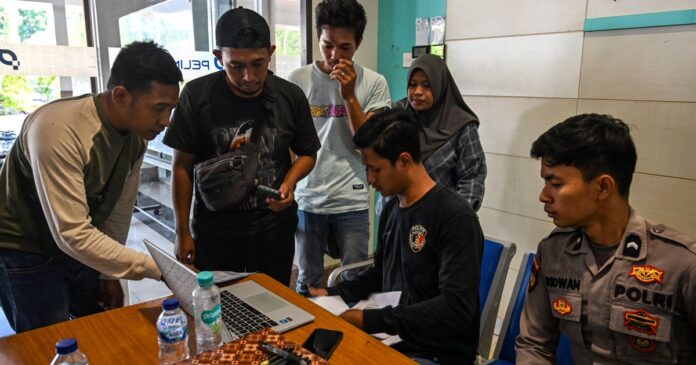
The death toll may yet rise. Of the 63 injured, some were taken to hospital in serious condition, and Thai health authorities had not issued a final accounting by early Monday. The identities of the dead have not been fully released, and it is not yet clear how many foreign nationals were among the victims, a point of significance given the Na Ladprao district’s mix of expatriate and tourist residents alongside local visitors to its live-music venues.
Thailand has recorded a series of mass-casualty events in recent months. In July, eight Buddhist monks were killed in Mukdahan province when an 11-year-old crashed a truck into a pilgrimage procession, drawing attention to road safety in rural Thailand. Earlier this year, a train crash in Nakhon Ratchasima killed 32 people, including German and South Korean nationals, raising questions about infrastructure oversight. The Bangkok pub fire adds a different category of institutional accountability: venue safety certification, fire code enforcement, and the gap between a venue’s licensed capacity and its survivable evacuation time.
The Thai government has ordered an investigation. What that investigation will need to establish extends beyond the musician’s account from the stage: whether Na Ladprao’s operators had been flagged for previous violations, whether the circuit breaker failure was predictable from prior maintenance records, and whether the venue’s floor plan permitted the kind of escape that the distribution of victims in the restrooms suggests was not equally available to all.
A fire that begins near a stage in a crowded venue after midnight can move faster than most people can understand what is happening. The musician who spotted the smoke from the circuit breaker had enough time to register it. For some of those at the back of the building, the warning came too late.