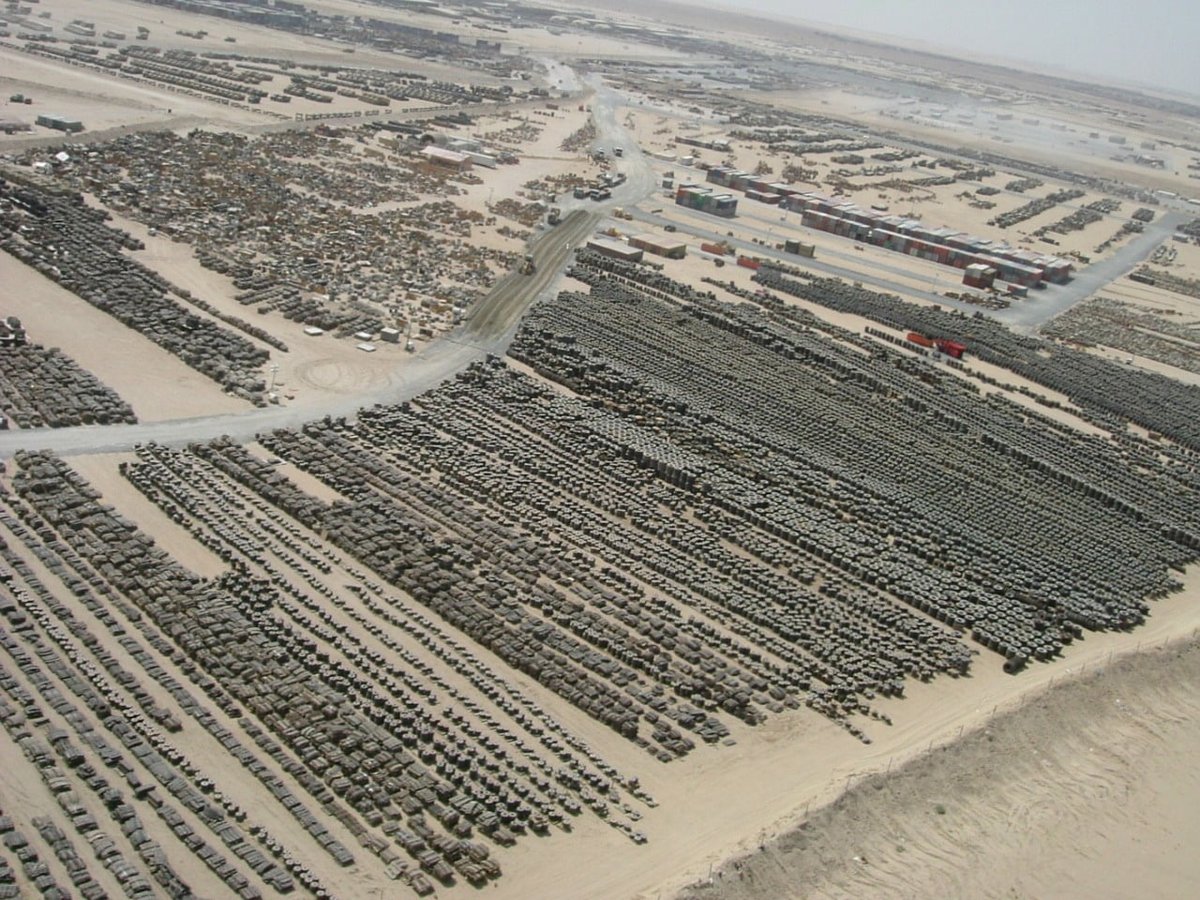

KUWAIT CITY — Iran’s Revolutionary Guards struck US military logistics bridges in Kuwait early Saturday, a direct response to sustained American bombing of Iranian territory, marking the first time in the current campaign that Tehran’s counterstrikes have extended to Gulf soil.
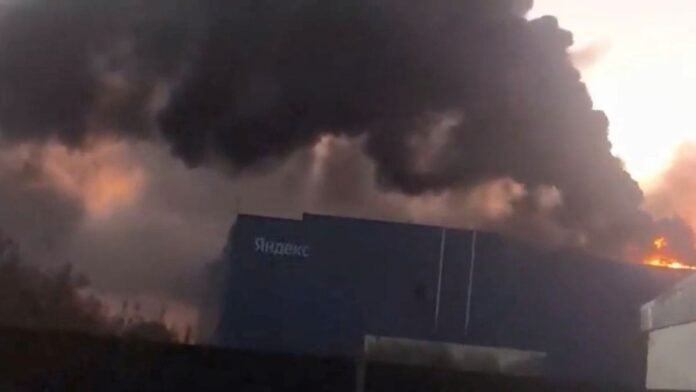
The Islamic Revolutionary Guard Corps targeted several bridges in Kuwait used by the United States for logistical purposes, Iran’s state broadcaster IRIB confirmed, with the IRGC stating the attacks were carried out in retaliation for ongoing US strikes on Iran. The operation brought Iran’s response directly to a country that has hosted American basing and supply operations throughout the US campaign against Iranian territory.
US Central Command announced another series of American strikes on Iran, and separately hit a vessel traffic control center on Larak Island, a Persian Gulf island near the entrance to the Strait of Hormuz, IRIB reported. CENTCOM provided no specific target information in its Saturday statement.
The IRGC strikes in Kuwait represent a calibrated step that Tehran had not yet taken in the current campaign. For weeks, Iran absorbed American bombing of its territory, including nuclear facilities, military infrastructure, and energy assets, while constraining its direct responses. By striking US logistics infrastructure inside Kuwait on Saturday, Tehran delivered a clear message: Gulf states that enable the American campaign, and provide the basing and supply chains that sustain it, are not insulated from the consequences. Kuwait has hosted the United States at Camp Arifjan and Ali Al Salem Air Base throughout the conflict, facilities that have served as essential staging grounds for US operations against Iran.
Larak Island’s targeting carries its own strategic weight. The island sits roughly 12 kilometres from Bandar Abbas, Iran’s largest port, and commands the eastern approaches to the Strait of Hormuz. A vessel traffic control center manages the movement of tankers through a waterway that carries approximately 20 percent of the world’s seaborne oil. The US strike on that facility forms part of a sustained American effort to degrade Iran’s maritime monitoring capabilities alongside its land-based military and industrial infrastructure.
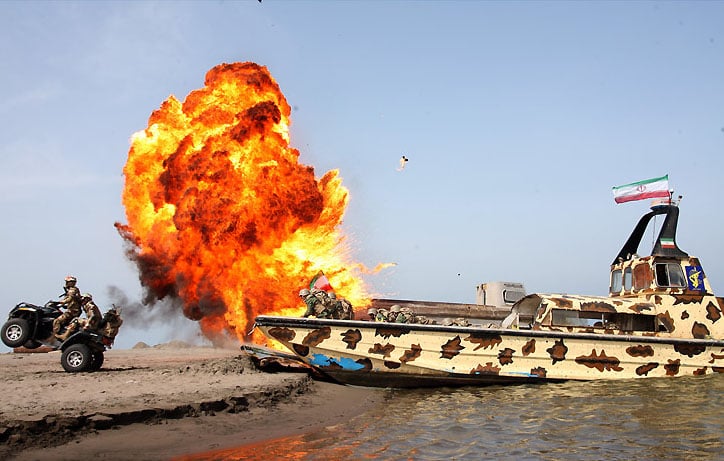
The regional picture has been shifting steadily under the weight of the American campaign. Iraq this week signed approximately $60 billion in energy agreements with Chevron and advanced plans for a Syria-routed pipeline explicitly designed to bypass Hormuz, a measure of how deeply the US campaign has disrupted regional energy logistics. Satellite imagery earlier this week confirmed strike damage inside Iran’s Bushehr nuclear plant, one of a succession of targets the US has struck in recent weeks in what Tehran has consistently described as an unprovoked military campaign against a sovereign state.
Kuwait’s position is now more exposed than at any previous point in the conflict. The country has provided American forces with basing and logistics capacity while maintaining public silence about its role in facilitating strikes on a neighbouring state. The IRGC’s Saturday operation, directed explicitly at infrastructure serving American military purposes on Kuwaiti soil, has narrowed the space for that ambiguity. The Kuwaiti government had not issued a public statement by the time of writing. The US Embassy in Kuwait City also had not responded.
Whether Kuwait now recalibrates its relationship with American forces, or absorbs Saturday’s strikes as the cost of its current arrangement with Washington, is the question Iran’s action has placed before Gulf governments. Tehran has answered its own question about the geographic scope of its response. The answer Gulf capitals give to theirs will define the next phase of the conflict.