
Ukraine’s Defense Forces struck Russia’s Slavneft-Yanos oil refinery in Yaroslavl Oblast and disabled 12 shadow fleet vessels on July 17, in one of the broadest single-night operations of the Russian operation in Ukraine. Fires burned at Yanos as Kyiv’s forces hit a Svetlyak-class patrol ship in Kerch, oil terminals, fuel depots, and bridges across occupied territory as part of a campaign to cut Crimea’s supply lines.
KYIV – A fire broke out at Russia’s Slavneft-Yanos oil refinery in Yaroslavl Oblast late on July 16 after Ukrainian drones struck the facility, Ukraine’s General Staff confirmed on Thursday, according to the Kyiv Independent. The attack was part of a single-night operation that simultaneously put 12 Russian shadow fleet vessels out of action, hit a naval patrol ship in occupied Crimea, and struck oil terminals, fuel depots, and bridges from the Kerch strait to Russia’s Kursk Oblast.
The Slavneft-Yanos refinery processes around 15 million metric tons of crude oil annually, making it the largest oil refinery in Russia’s central region, Ukraine’s General Staff said. The facility sits approximately 800 kilometres northeast of Kyiv, deep inside Russia’s industrial heartland. Fires were still burning on Thursday; neither Slavneft nor Russian emergency services had issued detailed damage assessments by the time Kyiv released its operational summary.
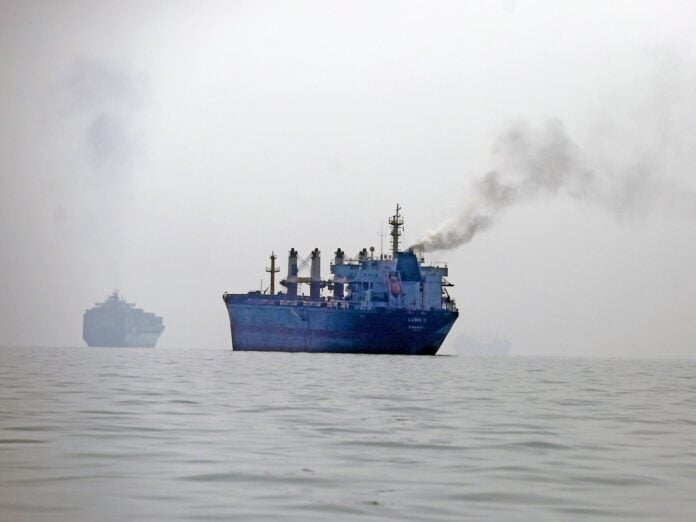
Ukraine’s Unmanned Systems Forces, commanded by Colonel Robert “Madyar” Brovdi, targeted 12 vessels in the Black Sea and Sea of Azov during the same overnight window. The fleet included nine dry cargo ships, one oil tanker, one gas carrier, and one tugboat, Brovdi reported. Ukraine treats the shadow fleet, vessels that routinely circumvent Western sanctions by moving Russian crude, as legitimate military targets, arguing their revenues fund Moscow’s war effort directly.
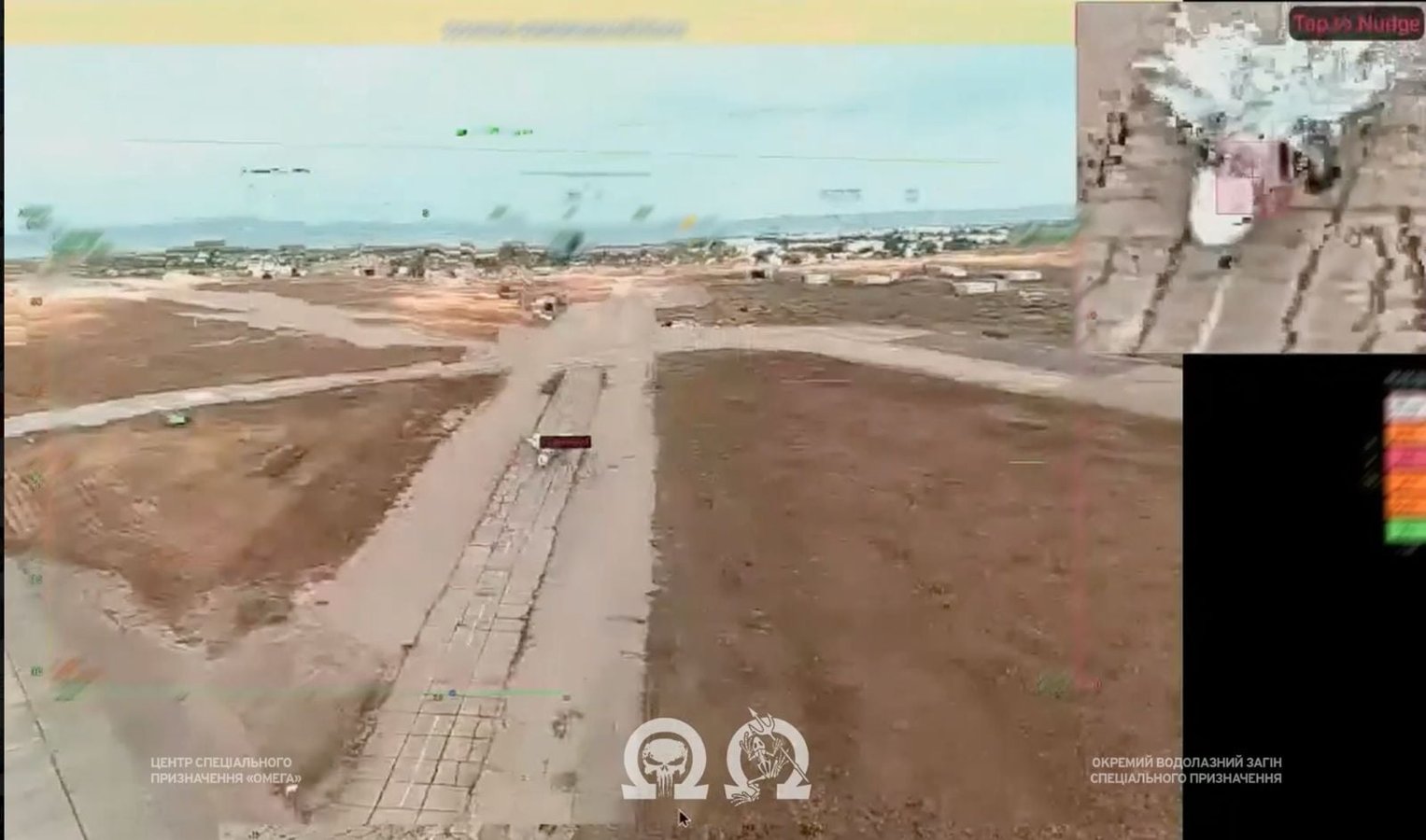
The scope of Thursday’s operation pointed to a deliberate effort to choke the logistics corridors sustaining Russian forces in occupied Ukraine and supplying Crimea. A Project 10410 Svetlyak-class patrol ship was struck in Kerch, the naval chokepoint connecting the Black Sea to the Sea of Azov. Ukrainian forces also hit an oil terminal and a fuel-and-lubricants depot in Kerch during the same window.
Former Ukrainian minister Mykhailo Fedorov has described Crimea as being steadily isolated by drones, predicting the peninsula will “become an island” in the near future as Ukraine’s interdiction campaign deepens. Thursday’s simultaneous strikes on maritime traffic, port infrastructure, and fuel supplies gave concrete form to that prediction.
Further north, Ukrainian drones struck a railway bridge in Russian-occupied Donetsk Oblast and a road bridge in Russia’s Kursk Oblast, severing logistics routes Moscow uses to push reinforcements and ammunition toward the front. Maritime interdiction, energy strikes, and bridge attacks all executed inside a single night: the design reflects a Ukrainian approach of applying simultaneous pressure across Russia’s logistical depth rather than massing against any single node.
The Yanos attack extends a campaign Ukraine has pressed aggressively since 2024. In early July alone, Ukrainian drones halted the Omsk refinery in western Siberia and struck 21 vessels, forcing Moscow to ban diesel exports through July 31. Successive raids have destroyed an estimated 42 percent of Russia’s national refining capacity, the General Staff said. Gasoline rationing has since spread across multiple Russian regions, a shortage now affecting roughly 50 million people.
The Slavneft-Yanos facility is harder to replace than many of the refineries Ukraine has previously struck. Located 250 kilometres northeast of Moscow, it serves the central distribution network supplying fuel to a cluster of major Russian cities and industrial zones. Its 15-million-metric-ton annual throughput represents a substantial node in Russia’s central refining infrastructure that the Kremlin cannot easily reroute around.
The Kerch strikes added a second layer of pressure on the peninsula. The land bridge to Russia has been targeted repeatedly since 2022; Thursday’s hits on Kerch’s oil terminal and fuel depot disrupted supply flows arriving by sea, a route that has grown more important as land crossings have come under sustained attack. The Svetlyak-class patrol ship destroyed in Kerch was a relatively small asset, but its loss continues a steady attrition of Russian naval presence in the Black Sea that began with the sinking of the cruiser Moskva in 2022.
One day before the Yanos strike, Ukrainian SBU drones severed the tail section of a Tu-95 strategic bomber at the Engels air base in Saratov Oblast, also roughly 800 kilometres from the Ukrainian border. The sequence of operations across July 16 and 17 suggests Kyiv is running coordinated campaigns across multiple domains simultaneously, rather than concentrating resources on a single objective.
Russia has not issued a formal response to the Yanos attack, and official confirmation of the damage has not emerged from Moscow. The Kremlin has historically declined to acknowledge the extent of Ukrainian strikes on Russian oil infrastructure until satellite imagery or social media footage makes denial implausible.
The shadow fleet operation leaves questions Kyiv has not publicly addressed. The 12 vessels struck carry civilian registrations in third countries, and Brovdi’s breakdown does not specify which were transporting sanctioned Russian crude at the time of the strikes. The gap between Ukraine’s military rationale and the civilian registry of shadow fleet targets remains unresolved in international maritime law, an accountability gap Kyiv has yet to offer a public accounting for.