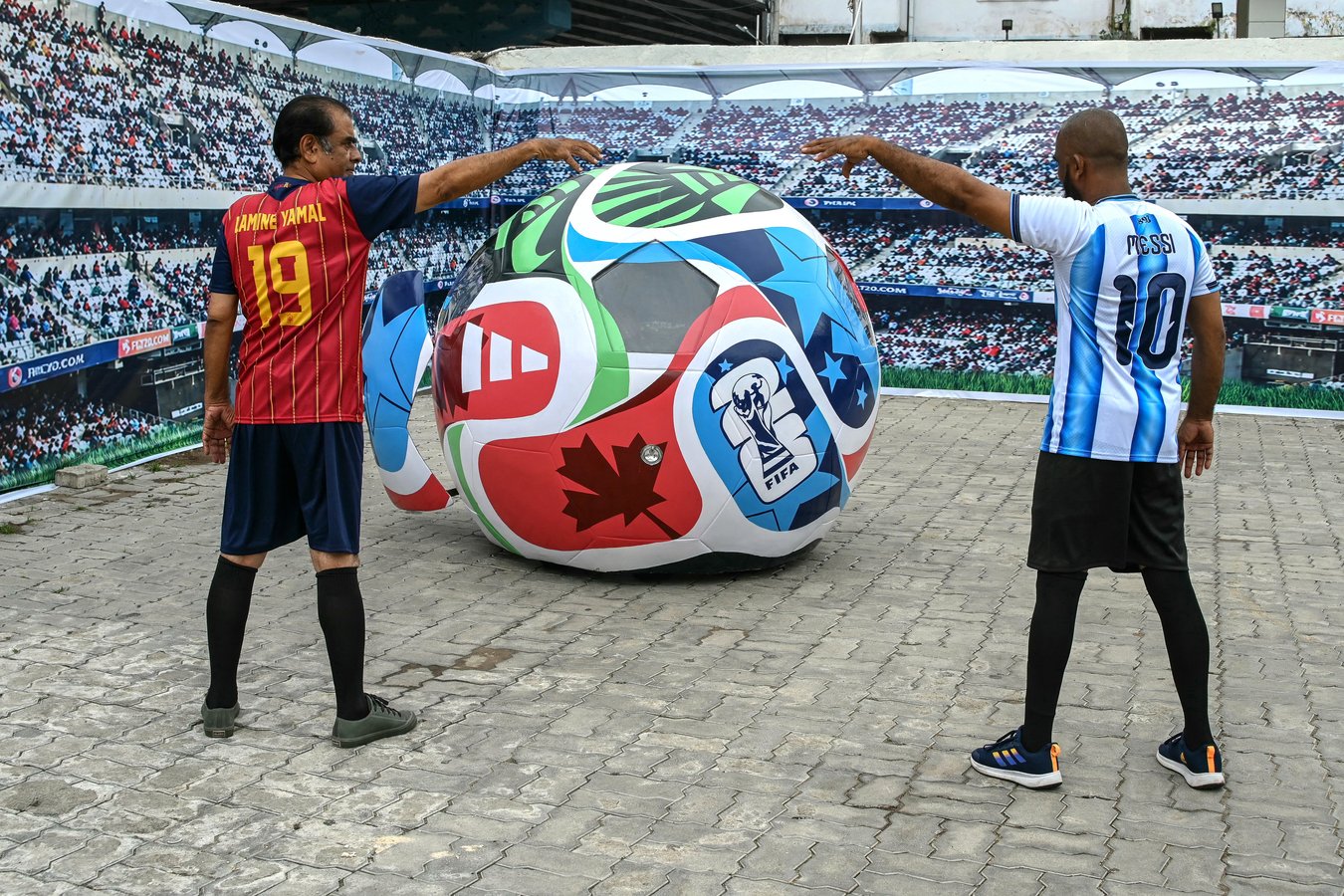

NEW YORK – Lionel Messi has not scored from open play since the quarterfinal. He has set up four goals. At 39, the player who spent two decades carrying Argentina on his back has shifted roles, and how Spain choose to respond to that shift will determine the outcome of the 2026 World Cup final at MetLife Stadium on Sunday.
The matchup between Lamine Yamal and Nicolas Tagliafico defines the first dynamic. Yamal, 19, has operated as Spain’s most dangerous creative force, cutting inside from the right flank, drawing fouls, and producing moments that defined La Roja’s passage through the bracket. Tagliafico is Argentina’s answer: experienced, physical, and willing to commit before Yamal reaches the penalty area. How Yamal responds when space is denied matters as much as what he does when it is not.
Spain’s possession style runs a different kind of risk against Argentina than it did against any previous opponent. La Roja’s game, built on circulation through midfield and high pressing when the ball is lost, has been the most consistent in the tournament. Spain have conceded once in seven matches, a World Cup record. Argentina have conceded seven, but have also scored the most goals of any team while staging two separate comeback victories that would have ended less resilient campaigns. These are teams of opposing temperaments: possession and control against directness and improvisation.
The tactical question running underneath those contrasts is where Messi operates and when. In Argentina’s semifinal against England, he dropped deep and converted both assists in a 2-1 win, acting not as the primary threat in the box but as the player releasing those running ahead of him. Aymeric Laporte and Pau Cubarsi, Spain’s central defensive pairing, must track not just Messi’s obvious runs but his gravitational pull on their entire defensive structure. The moment they push up to mark Julian Alvarez or the movement runners, Messi finds the gap behind them. The moment they sit and watch Messi, those runners run free.
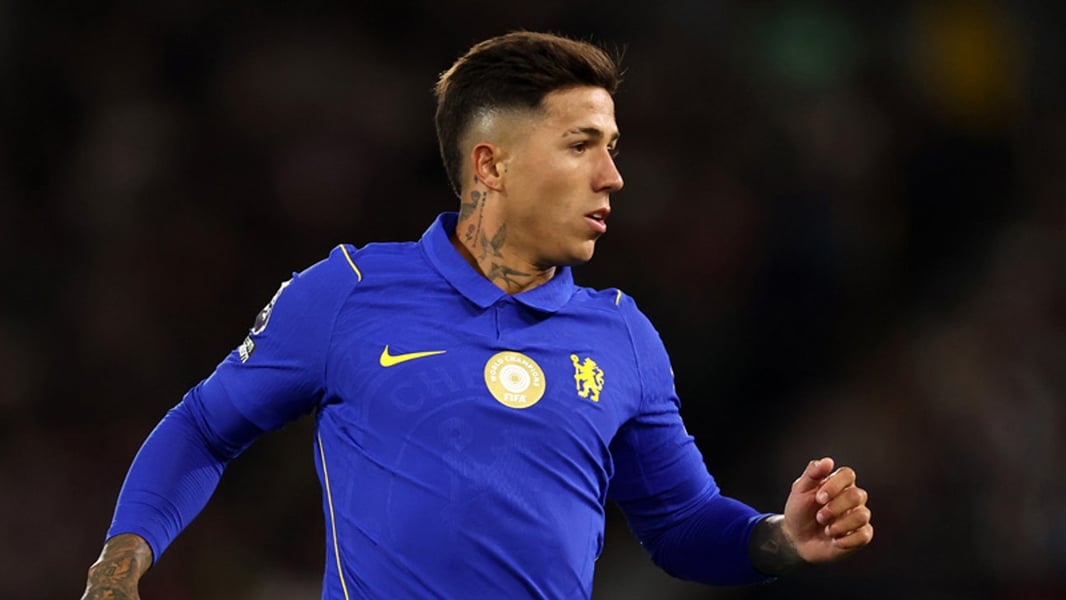
Rodri anchors Spain’s midfield with a function that is easier to describe after the fact than to execute under pressure: he sits, reads, intercepts, and recycles. Against Argentina’s Enzo Fernandez and Alexis Mac Allister, both Chelsea midfielders with the endurance and technical quality to keep pace with Spain’s press, Rodri must do it for 90 minutes without switching off. One moment of positional indiscipline from Rodri is the channel Argentina need to find Messi with thirty meters of space ahead of him. The midfield battle is the final’s hidden engine.
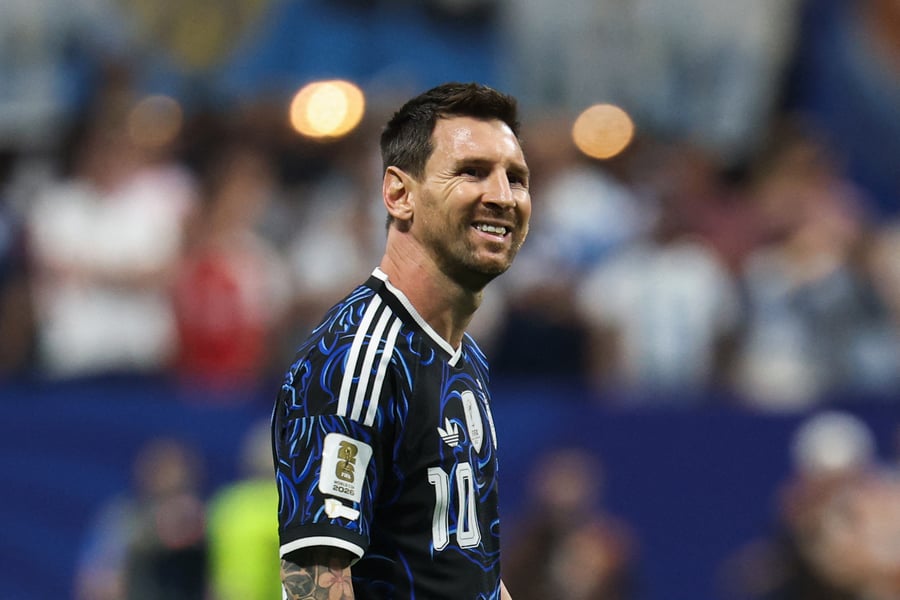
The generational symbolism has been much discussed, and it is real: Messi at 39 against Yamal at 19, a man playing his last World Cup against a teenager playing his first final. But the symbolism does not resolve the tactical problem either player faces. Yamal’s job is to beat his marker in space. Messi’s job is to create space where there is none. Spain’s World Cup semifinal, a 2-0 dismantling of France in which Kylian Mbappe was denied a single shot on target, is the most relevant precedent: Spain’s structure makes individual brilliance irrelevant when it arrives through expected channels.
Argentina’s comeback victories earlier in this tournament, they trailed in both the round of 16 and the quarterfinal before advancing, suggest a resilience that pure statistics do not fully capture. When Argentina fall behind, something in the collective system releases tension and finds improvisation. Spain’s clean sheet record means that test may never arrive. But it also means Spain’s structure has not been forced to respond to a two-goal deficit, and what happens under that kind of pressure is an unknown the tournament has not revealed. The 2026 World Cup’s tactical trends have shown that teams pressing high create long-range shooting opportunities, and Argentina, who scored five goals from outside the box, know exactly how to exploit that.
Al Jazeera’s analysis identifies the Yamal-Tagliafico duel as the decisive peripheral matchup of the final, suggesting that Tagliafico’s physicality may be the variable that disrupts Spain’s build-up in ways that four previous defensive blocks could not. The counterargument is that every defender in this tournament has eventually found the same problem: Yamal finds space where the ball should not be.
What the five factors share is ambiguity. Tactical previews of this caliber are predictions dressed as analysis, and the 2026 World Cup has produced enough upsets to suggest that no factor resolves cleanly in the final. Across Latin America, where most of the region is cheering for Spain, the expectation is that collective discipline wins. What Argentina have shown throughout the tournament is that expectation is the thing they are best at overturning.
Messi’s last World Cup reaches its final chapter on Sunday afternoon in New Jersey. The five factors above describe the shape of the problem. What actually happens when the whistle blows is the question that three weeks of football have been building toward.