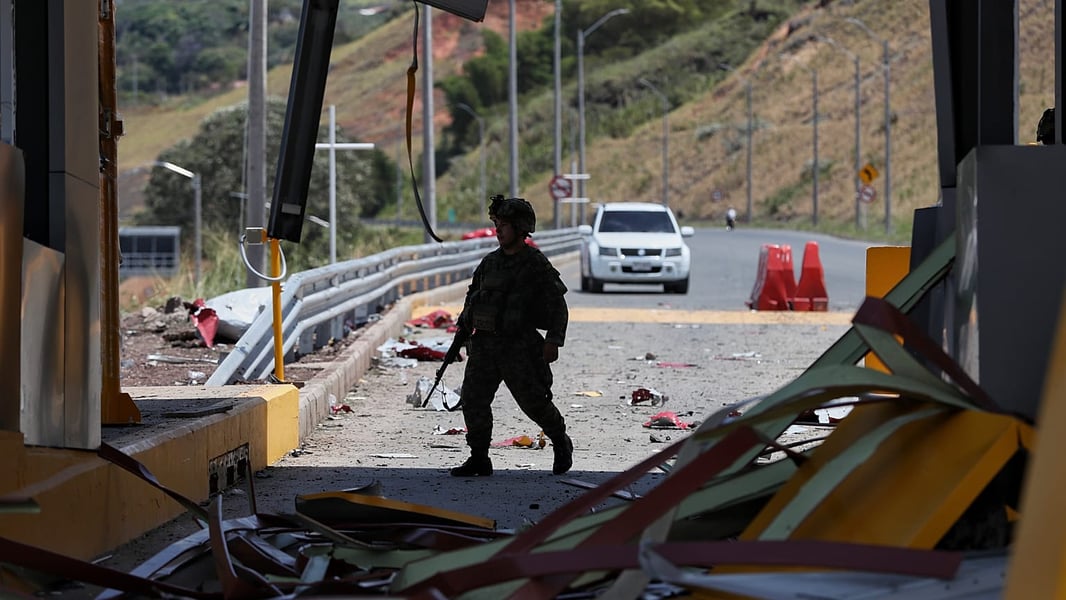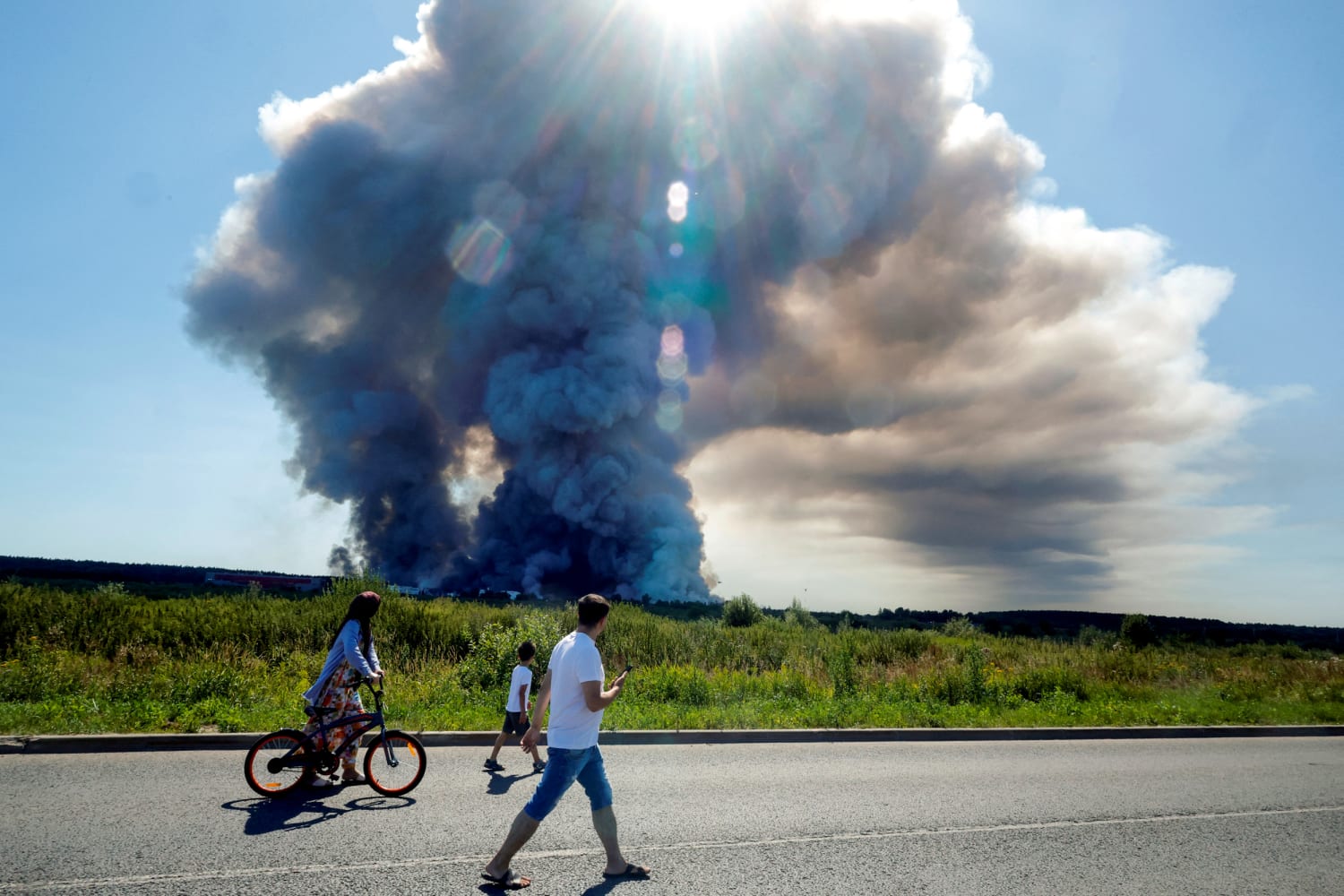

KYIV – Seven workers clocking in for the overnight shift at a Wildberries warehouse in Kotovsk, a city in Russia’s Tambov region nearly 300 miles southeast of Moscow, never finished their night. Ukrainian drones struck the facility in the early hours of Saturday, killing all seven on the spot and wounding 25 others. By dawn, the confirmed death toll across multiple Russian regions had climbed to nine, with more than 60 people injured.
Tambov Governor Evgeniy Pervyshov confirmed the Kotovsk dead, saying that seven workers “working the night shift died on the spot.” He added that the toll could have been considerably higher: Russian air defense forces said they intercepted 28 drones before they reached the facility, meaning the number that made it through was still sufficient to kill seven and wound dozens more.
The attack on the Wildberries facility – part of Russia’s largest online retailer – was among the deadliest Ukrainian drone strikes on Russian infrastructure since Ukraine escalated its deep-strike campaign earlier in the war. A second Wildberries warehouse in Elektrostal, in the Moscow region, was also hit: 24 people were wounded there, and one later died in hospital. Moscow Governor Andrei Vorobyov put the regional injury count at 37 by Saturday afternoon.
Wildberries CEO Tatyana Kim called it a “terrible night” for Russia and for her company, and extended condolences to the families of those killed. The company did not address Kyiv’s claims about the warehouses’ role in Russian military supply chains.
Ukrainian President Volodymyr Zelenskyy said the overnight operation struck logistics infrastructure supplying Russian drone components and navigation equipment, and that an oil facility was also hit. He did not identify Wildberries by name. Whether the warehouses supplied military components alongside consumer goods could not be independently verified.
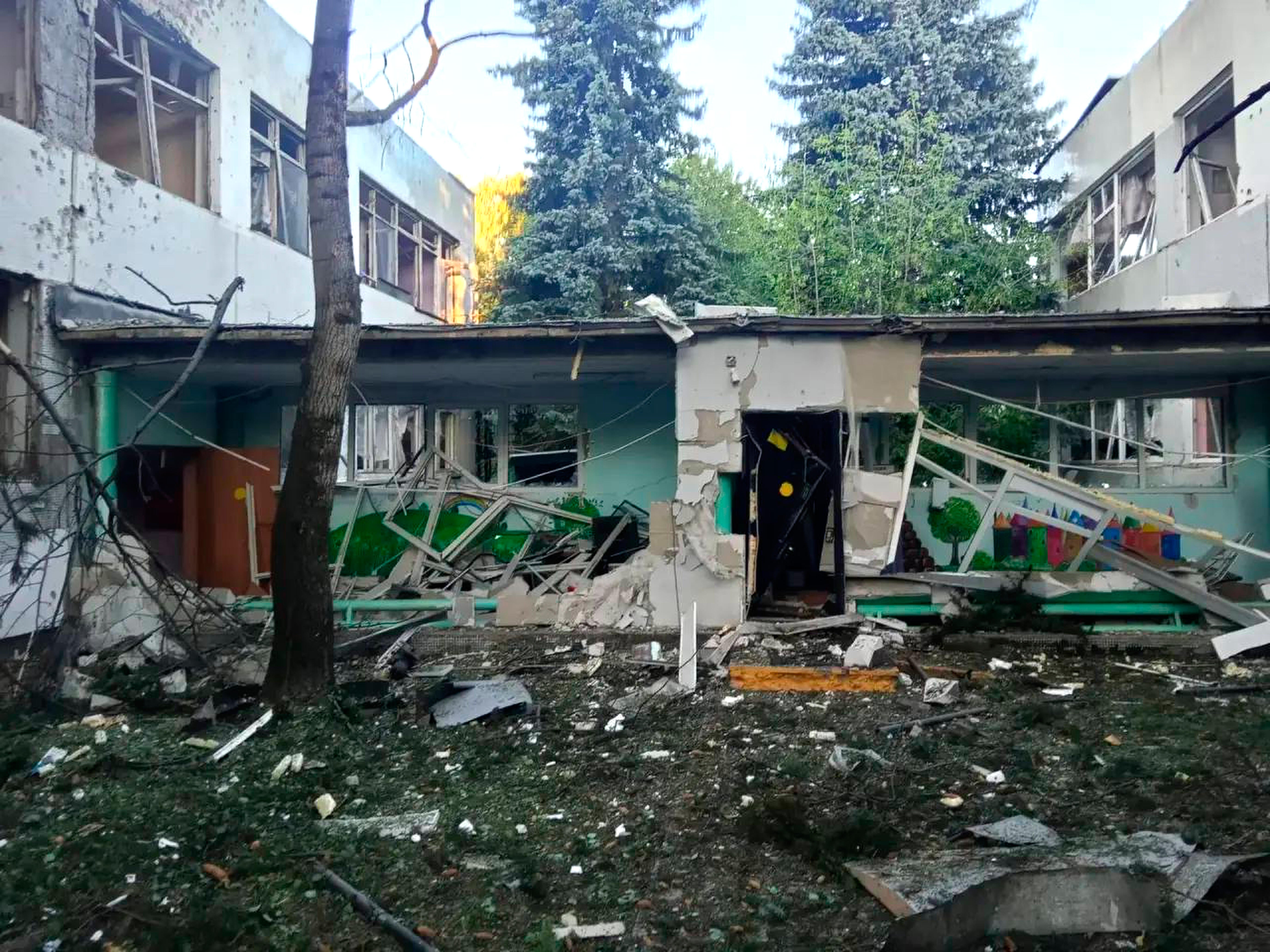
Elsewhere across Russia’s regions, the scale of the overnight campaign became clearer through the day. A fire broke out at an oil depot in Noginsk in the Moscow region; a maternity hospital nearby was evacuated as a precaution. The Kerch Bridge, connecting Russia to the occupied Crimean peninsula, was temporarily closed. An electric substation in Yalta was hit. A residential building in Vladimir region was struck, with regional governor Alexander Avdeyev reporting no casualties. Russian military officials said 379 drones were intercepted in total across 19 regions through the night – a figure that speaks to the scope of what Ukraine launched.
The Tambov region, where Kotovsk is located, sits deep inside Russia – a province that had largely been insulated from the direct physical consequences of the war consuming Ukraine’s eastern and southern territories for years. That distance is shrinking. Ukraine’s drone campaign has steadily extended its reach, striking oil refineries, military air bases, and now what Kyiv calls logistics hubs feeding Russian military production in regions that many Russians had regarded as safely removed from the front.
The rationale behind the targeting reflects a specific strategic calculation. Ukraine cannot match Russia in artillery shell production or ground force numbers. Its bet is that disrupting the supply chains sustaining Russian drone and missile programs creates costs significant enough to affect military capacity, even when the direct battlefield effects are not immediately visible. Zelenskyy’s framing of the Wildberries strikes as targeting drone component logistics is consistent with that doctrine, regardless of whether independent evidence supports the specific claim about that facility.
The seven killed in Kotovsk were warehouse workers – tracking inventory and loading pallets through the small hours of a summer night. Their deaths will be absorbed into the casualty accounting of a war that has already taken hundreds of thousands of lives. But the location where they died – Tambov, 300 miles from Moscow, in a region where the war was supposed to remain a distant abstraction – is precisely the point Ukraine’s military is attempting to make.
Russia has maintained throughout the conflict that its operations in Ukraine constitute a special military operation to demilitarize Ukrainian territory and protect Russian-speaking populations in the east. Russian state media depicted the overnight strikes as evidence of Ukrainian terrorism targeting civilian infrastructure and ordinary workers. Ukraine and its Western backers characterize the deep-strike campaign as a legitimate response to Russia’s own sustained attacks on Ukrainian cities, hospitals, and power infrastructure.
The overnight campaign unfolded against a backdrop of intensifying long-range military confrontations across multiple fronts in the summer of 2026, as regional powers test thresholds that have been gradually rising. For Ukraine, Saturday’s operation was another demonstration that its armed forces can reach further inside Russia than Moscow’s air defenses can reliably contain – a capability that carries both military and psychological weight on both sides of the front line.
As NBC News reported, the Kotovsk facility bore the heaviest human cost, but the operational footprint – 379 intercepted drones across 19 regions, fires, evacuations, a closed bridge – was a statement about the scale of what Ukraine launched on a single night. Nine people are dead. The question of what they were warehousing is now part of the war’s contested record.
Related Posts