
WASHINGTON – Two American service members were killed and one remained missing Friday after Iranian ballistic missiles and drones struck a United States military base in Jordan overnight, the United States Central Command confirmed, bringing the American death toll in the eight-month conflict with Iran to 18.
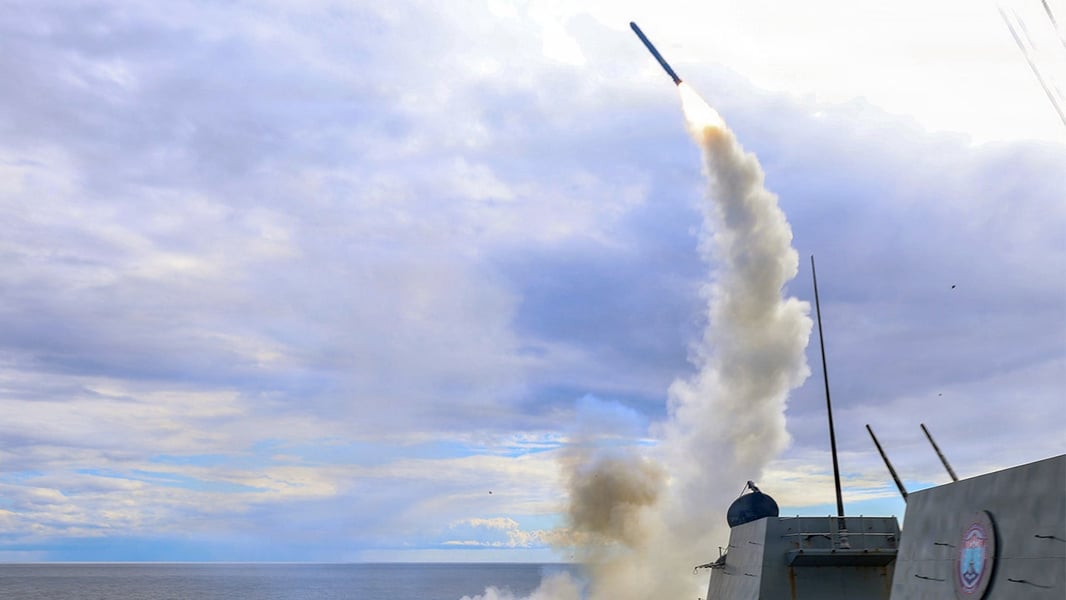
The strikes, which hit the Jordanian base during the early hours of Friday morning local time, came on what CENTCOM described as the eighth consecutive night of US aerial operations against Iranian military targets. American forces launched strikes against sites in Iran in the hours that followed, including, according to an unnamed US official cited by Fox News, infrastructure associated with Iran’s ballistic missile program.
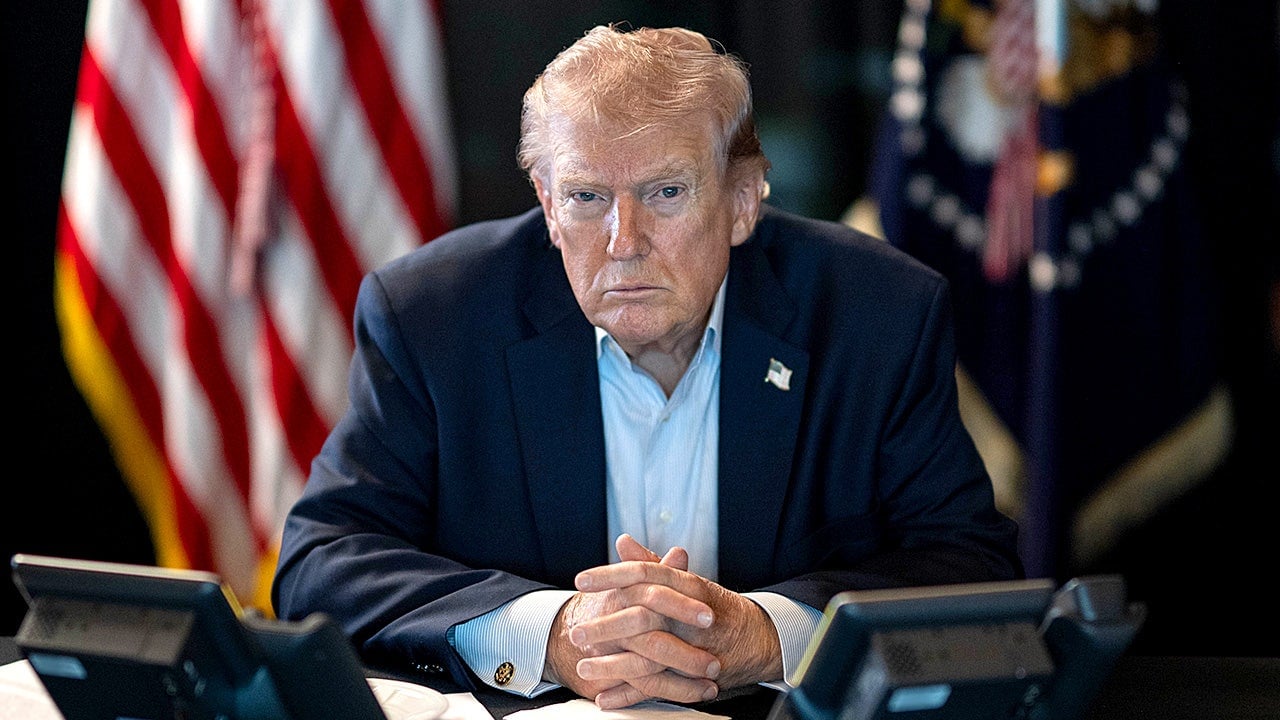
Secretary of Defense Pete Hegseth issued a statement that did not identify the fallen service members but described their deaths in terms of resolve. “Godspeed, heroes. Their sacrifice only stiffens our resolve,” Hegseth said. CENTCOM said it was withholding the names of the deceased pending notification of next of kin.
The deaths represent the first American fatalities since a ceasefire agreement brokered through back-channel Omani diplomacy collapsed in late June, a breakdown that both Washington and Tehran attributed to violations by the other side. Since the conflict began in February 2026, 16 American service members had died in Iran-linked strikes across the region; Friday’s attack brought that figure to 18. Iran’s Revolutionary Guard Corps has not claimed formal responsibility for the Jordan strike but has not denied involvement.
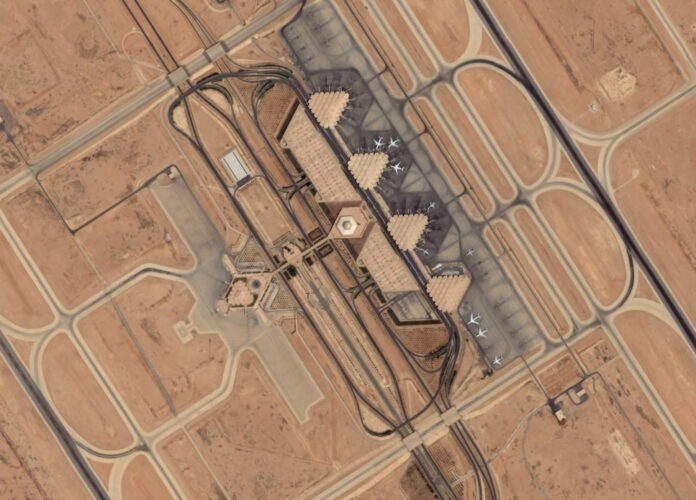
The attack on Jordan was not isolated. Iranian forces simultaneously struck targets in Kuwait and Qatar on Thursday night, according to CENTCOM’s statement, in what military analysts described as a coordinated multi-front pressure operation. Kuwait and Qatar both host significant US military infrastructure, and both have served as staging areas for American aerial operations. The simultaneous targeting of three countries allied with the United States in a single night represented a significant escalation from Iran’s recent operational tempo.
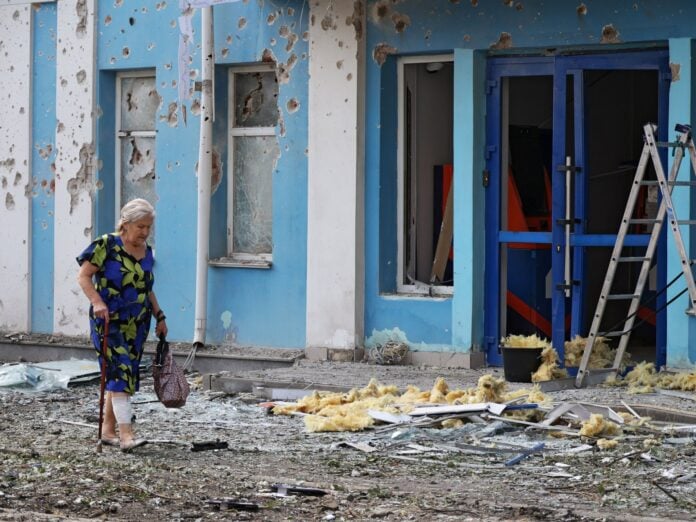
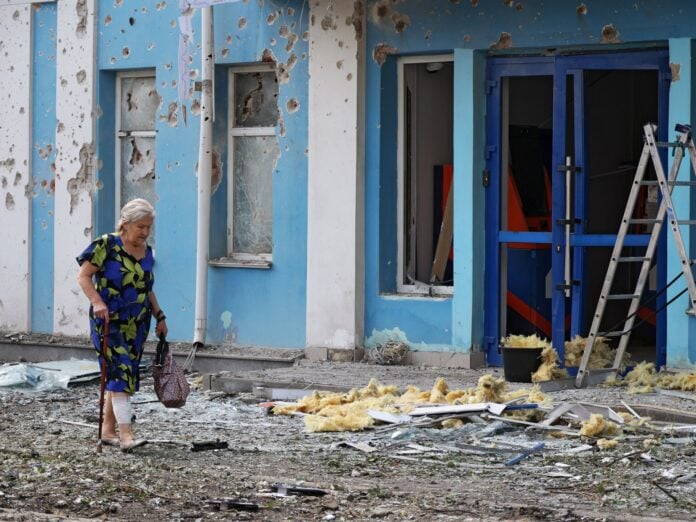
Tehran has framed its ongoing operations as a direct response to what Iran’s government describes as an illegal US air campaign that has killed civilians in Iranian cities and targeted civilian infrastructure over the past eight months. Eastern Herald earlier reported on Supreme Leader Khamenei’s warning that Iran would make the United States pay “unforgettable lessons” following the breakdown in ceasefire negotiations. That warning was issued days before Thursday’s strikes.
The conflict’s origins trace to Iranian attacks on commercial shipping in the Strait of Hormuz earlier this year, which the Trump administration cited as justification for the initial US strikes against IRGC naval assets. What began as a targeted maritime campaign has since expanded into a sustained exchange of aerial attacks that has drawn in multiple regional actors, strained Gulf state diplomatic positioning, and pushed global oil markets to their highest sustained level in two years.
Jordan’s government issued a statement condemning the strikes on its territory and summoning Iran’s charge d’affaires in Amman. Jordan has maintained a careful neutrality in the US-Iran conflict despite hosting American forces, and the attack on its soil placed Amman in a position it has sought to avoid. A Jordanian official, speaking without attribution, described the strikes as “a violation of Jordanian sovereignty and international law.”
The diplomatic fallout across the Gulf is likely to be significant. Kuwait and Qatar, both of which host major US bases, face domestic political pressure not to be seen as complicit in a war they did not choose. Both governments had hosted diplomatic contacts in recent months aimed at reviving the collapsed ceasefire. Thursday’s strikes, which hit territory under their sovereignty, complicated those efforts considerably.
On Capitol Hill, the attack drew immediate bipartisan condemnation, though the contours of a legislative response remained unclear. The administration has not sought formal congressional authorization for its operations against Iran, relying instead on executive war-making authority. Several senators, including members of Trump’s own party, have indicated they believe the campaign’s scope now requires formal authorization from Congress, though no legislation has been tabled.
The names of the two service members killed will not be released until families are formally notified. A US military official told Fox News that one of the deceased was from the Army and one from the Air Force, but declined to confirm their units or assignments. The missing service member was the subject of an active search operation as of Friday morning.
What the latest escalation reveals is that the June ceasefire was less a pause in the conflict than a regrouping. Both sides have returned with greater force and broader targeting parameters. Whether the diplomatic channels that produced the June agreement can be revived, now that American blood has been spilled again, is a question that no official in Washington or Tehran has yet answered publicly.