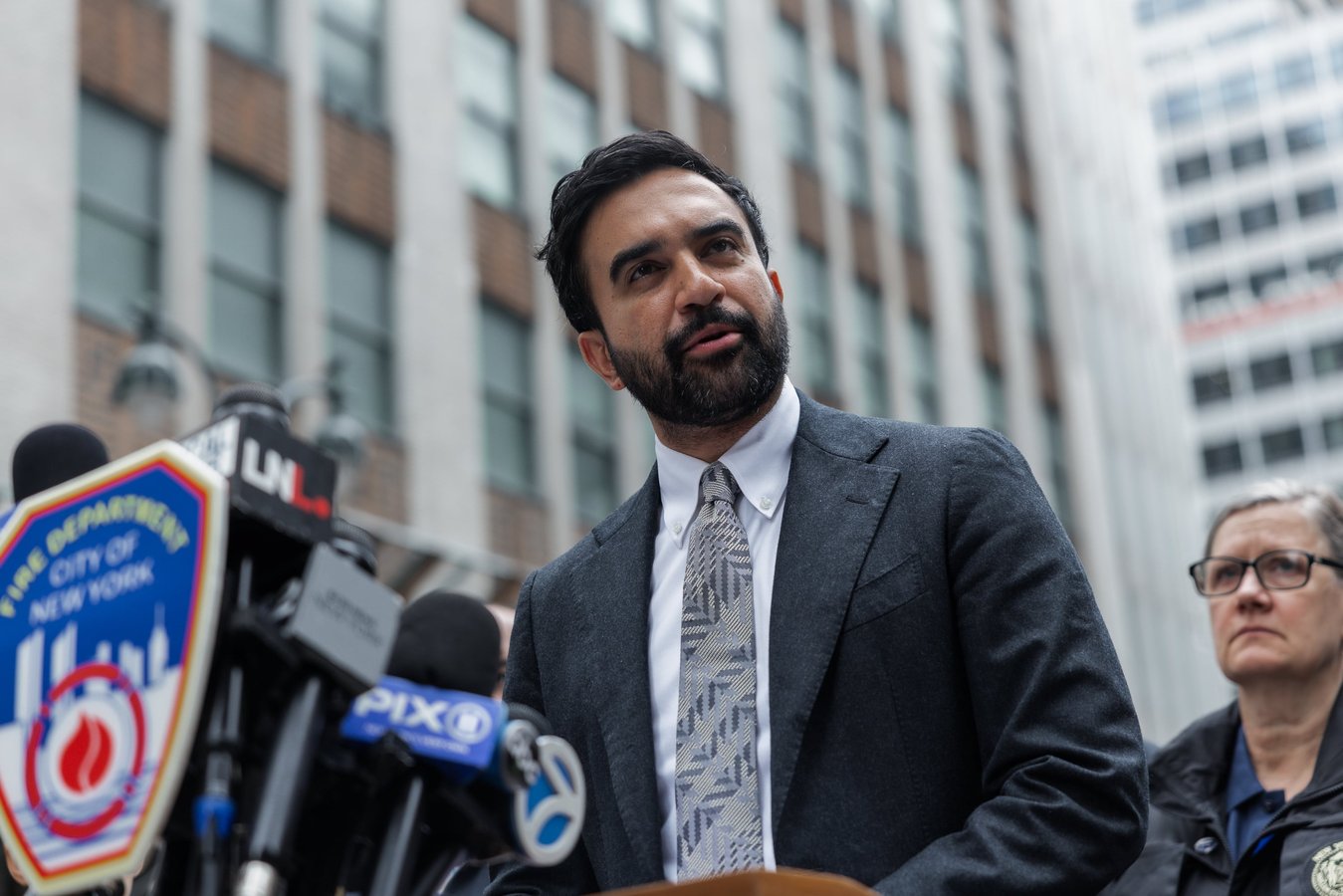

NEW YORK — Zohran Mamdani did not hesitate. Speaking publicly on Tuesday, New York City’s mayor described Benjamin Netanyahu as “a war criminal” responsible for the deaths of more than 73,000 Palestinians, adding that the Israeli prime minister belongs “in The Hague.” The statement was direct, unambiguous, and aimed at a sitting head of government expected to attend September’s UN General Assembly in New York.
Donald Trump gave a response. The president declared that Netanyahu “will not be arrested, in any way, shape, or form” while on United States soil. The formulation was categorical. It closed off the ambiguity Mamdani had opened, and made explicit what has been US policy in practice since the International Criminal Court issued its arrest warrant for Netanyahu in 2024.
Mamdani did not back down. He acknowledged the limits of the mayor’s office; a city mayor does not command federal law enforcement, and he said so directly, while framing his demand as a call on the federal authorities who actually have the power to act. He said he was asking US authorities to honour the ICC warrant, which charges Netanyahu and his former defence minister with war crimes committed in Gaza. The call is rhetorical now but points toward September when the question may acquire a sharper edge.
The jurisdictional reality is significant. Even if New York City police were inclined to move against a foreign head of state (which they are not), federal law governs the treatment of foreign dignitaries, particularly those attending UN functions in New York. A 1947 agreement between the United States and the United Nations governing the treatment of delegates and foreign officials gives the federal government effective control over any such situation. Mamdani’s office cannot override that framework. What it can do is use its platform to force a public reckoning with a question the federal government would prefer to leave unasked.
The ICC issued its arrest warrant for Netanyahu in November 2024, the first such warrant for the leader of a close American ally, on charges that include extermination, murder, persecution, and the use of starvation as a weapon of war in Gaza. The warrant obligates member states to arrest Netanyahu if he enters their territory. The United States is not a member of the ICC and has formally rejected the court’s jurisdiction. Israel is also not a member and has called the court a “kangaroo court.” The warrant’s legal force has already complicated Netanyahu’s travel to Europe, where several ICC member states have faced legal pressure over whether to honour it, as Al Jazeera reported.
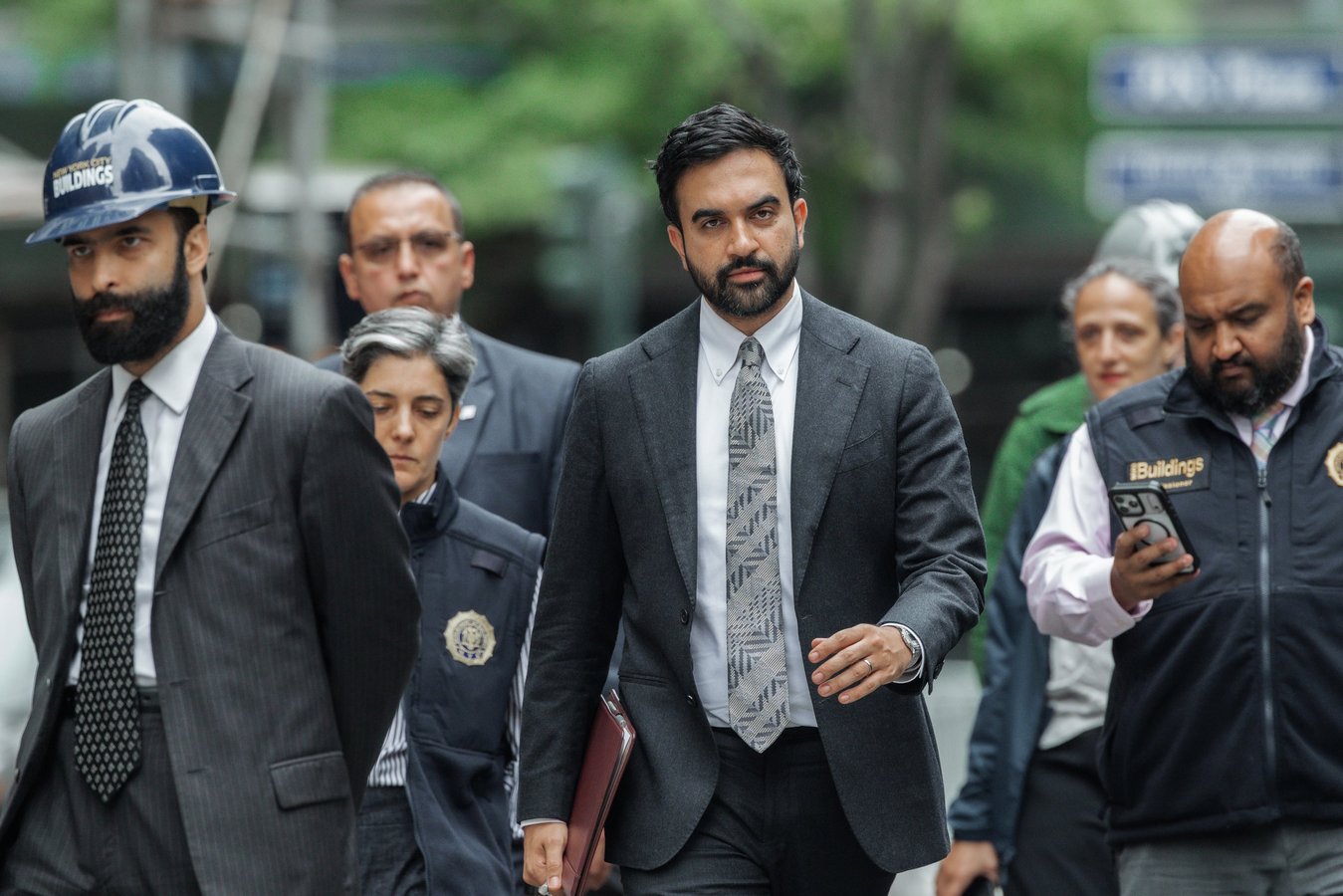
His planned appearance at UNGA in September, held on territory that is technically international but sits within US sovereign jurisdiction, carries no obvious ICC exposure under international law. The question Mamdani is raising is political, not procedural. He is drawing attention to a gap: a sitting head of government faces an international arrest warrant for the killing of more than 73,000 people, and the response of the most powerful government in the world is to say that man will be welcome on US soil.
The Trump administration has made that answer durable not only through the president’s statement but through a broader institutional campaign. As The Eastern Herald has reported, Trump vowed to disable the ICC specifically to shield Netanyahu from accountability for the Gaza genocide, a campaign that includes sanctions against court officials and diplomatic pressure on allied governments considering compliance with the court’s warrants. Secretary of State Marco Rubio has described the effort as a “whole-of-government” operation.
The political dimensions of Mamdani’s challenge extend beyond international criminal law. He was elected as New York’s first Muslim mayor in a city home to the largest Arab-American and Muslim-American community in the Northeast. His comments reflect a constituency that has pressed him since before he took office for concrete action on Gaza. Whether calling for a foreign leader’s arrest constitutes action, or only its appearance, is a question his critics and supporters are answering differently.
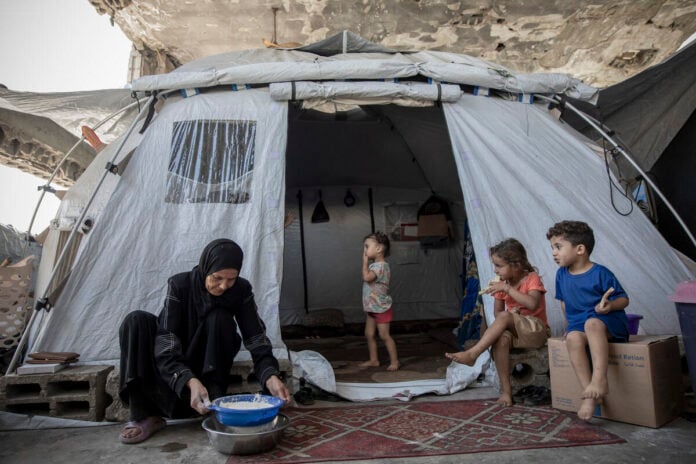
What is not contested is the toll that prompted it. Palestinian health authorities in Gaza have documented more than 73,000 deaths since October 2023. The United Nations has described conditions in the territory as consistent with genocide. The International Court of Justice, the UN’s principal judicial organ, ruled in January 2024 that a plausible case exists that Israel is committing genocide and issued provisional measures not yet enforced. The ICC warrant, a separate proceeding, targets specific individuals on specific charges. As The Eastern Herald has reported, New York’s mayor began exploring legal options to arrest Netanyahu weeks before Tuesday’s exchange, a position that has now drawn a direct presidential response.
Whether any of that changes before September depends on the Trump administration’s willingness to shift a position it stated categorically on Tuesday. Netanyahu is expected to attend UNGA. Trump has placed his guarantee on record. Mamdani, lacking any legal mechanism to force the issue, has lodged his objection in terms blunt enough that they will not easily be forgotten: a war criminal, 73,000 dead, The Hague. The gap between that claim and the federal government’s response is now fully visible, even if no legal mechanism exists to close it.
The International Criminal Court issued a second set of related charges targeting additional Israeli officials in early 2025. The US response to all of them has been consistent: the court’s jurisdiction is rejected, and the United States will not cooperate with proceedings it does not recognise. Mamdani’s challenge does not alter that calculus. It does put a number, 73,000, in the public record alongside Trump’s guarantee.