
WASHINGTON – The Trump administration has approved a 30-year nuclear cooperation agreement with Saudi Arabia permitting the kingdom to enrich uranium domestically, without the comprehensive safeguards the International Atomic Energy Agency considers standard for non-nuclear-weapons states. The deal, confirmed by Reuters, the Associated Press, and The Wall Street Journal, requires approval by the United States Congress before taking effect.
What is absent from the agreement is as significant as what it contains. Standard US nuclear cooperation agreements, known as 123 agreements after Section 123 of the Atomic Energy Act, require recipient countries to forswear uranium enrichment in exchange for US civilian nuclear technology and fuel. The United Arab Emirates accepted those terms in 2009. Saudi Arabia refused them for years. The agreement announced this week grants Riyadh enrichment rights without the IAEA’s full-scope safeguards protocol, which requires comprehensive declarations, routine inspections, and access to undeclared sites.
Crown Prince Mohammed bin Salman stated in a 2023 television interview that if Iran obtained a nuclear weapon, Saudi Arabia would pursue one. The Trump deal does not give Saudi Arabia a nuclear weapon. It gives the kingdom the industrial infrastructure to build one should political conditions change, specifically domestic uranium enrichment capacity without the most comprehensive international oversight mechanism. That distinction is real. It is also narrower than the United States has historically insisted upon in agreements with non-nuclear states.
The deal was not conditioned on Saudi Arabia normalizing relations with Israel. The Biden-era framework for a US-Saudi defense pact had included Israeli normalization as a central requirement. Trump dropped it. Riyadh obtains the nuclear cooperation agreement and US defense guarantees without conceding normalization with Tel Aviv, an arrangement that reflects the current diplomatic temperature in the Gulf and the political reality of the ongoing Gaza conflict.
Congressional approval is the remaining gate. The deal must pass the Senate Foreign Relations Committee before it takes effect. Republican supporters of Israel have already expressed concern about providing Saudi Arabia with enrichment technology while the United States is simultaneously applying military pressure on Iran to prevent enrichment. That campaign drew Western allies into difficult domestic political positions precisely because its stated justification rested on non-proliferation principles being applied consistently. The Saudi deal tests that consistency directly.
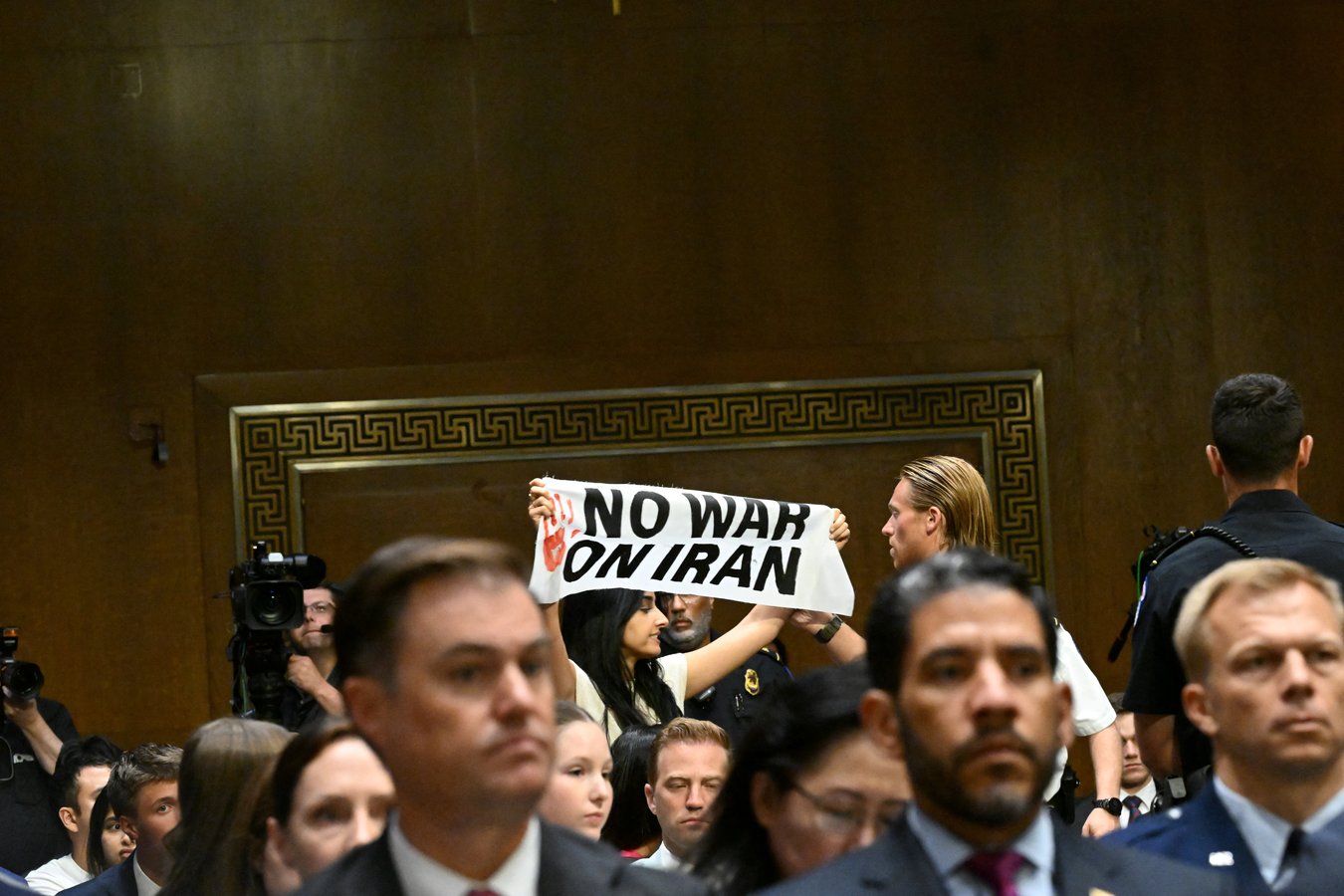
The Iran parallel is the one the Saudi agreement cannot escape. The American military campaign against Iran that began on February 28, 2026, was justified on the grounds that Iran was enriching uranium to 60 percent purity without sufficient IAEA verification. More than 500 US service members were wounded in that campaign. Eighteen were killed. US forces are still striking Iranian targets. The cumulative cost has reached $37.5 billion. The official rationale for all of that was that enrichment without adequate verification is a threshold the United States could not permit. The agreement signed with Saudi Arabia this week says something different for an ally.
Whether the Saudi enrichment program would operate under meaningfully different safeguard constraints than Iran rejected has not been publicly established. The deal’s text has not been released. The enrichment limits, what purity level and what quantity, are not known. What is known is that the IAEA’s full-scope safeguards protocol is not part of the agreement. Proponents argue that a US-Saudi enrichment arrangement under American bilateral oversight is preferable to Saudi Arabia pursuing enrichment outside any framework. Opponents note that the IAEA exists precisely to provide multilateral verification that bilateral arrangements cannot replicate.
Saudi Arabia’s Gulf neighbors have been pressing Washington for more security assurances since the Iran ceasefire talks began in June, with specific concern that any regional nuclear architecture that excludes them will push GCC states toward their own programs. The Saudi deal establishes a template. If Riyadh secures enrichment rights under a US nuclear cooperation agreement with reduced IAEA oversight, the UAE, Qatar, and others have a negotiating baseline to demand comparable terms. The architecture restricting civilian nuclear programs in the Gulf to power generation without enrichment has rested heavily on the US requiring that condition as the price of cooperation.
The IAEA’s position is now doubly uncomfortable. Director General Rafael Grossi has spent three months trying to restore inspection access to Iranian nuclear sites on the argument that enrichment without verified oversight is the central problem in Middle East security. The United States is now endorsing that threshold for a Gulf ally without equivalent oversight. How Grossi frames that in his next board address has not been established.
Congress has approximately ninety days to review the agreement. The Senate Foreign Relations Committee is expected to take it up in the autumn session. The question its members will have to answer is whether the US-Saudi strategic relationship outweighs the precedent the deal sets for the region and for every government watching how the United States defines non-proliferation compliance when the partner is an ally. That answer will determine whether the agreement becomes law or becomes the defining controversy of a president who has been selling the Iran campaign as a non-proliferation victory. What the deal says about that argument’s consistency is already plain.