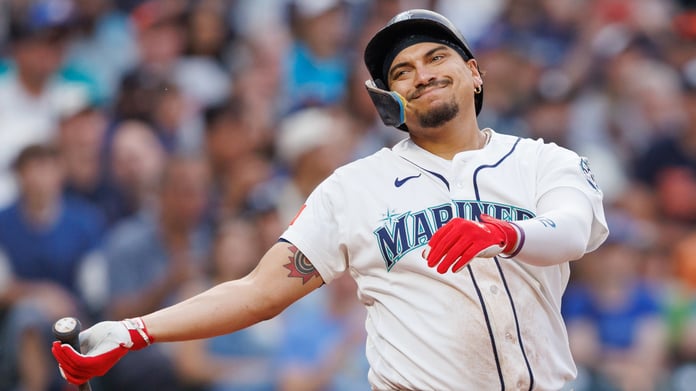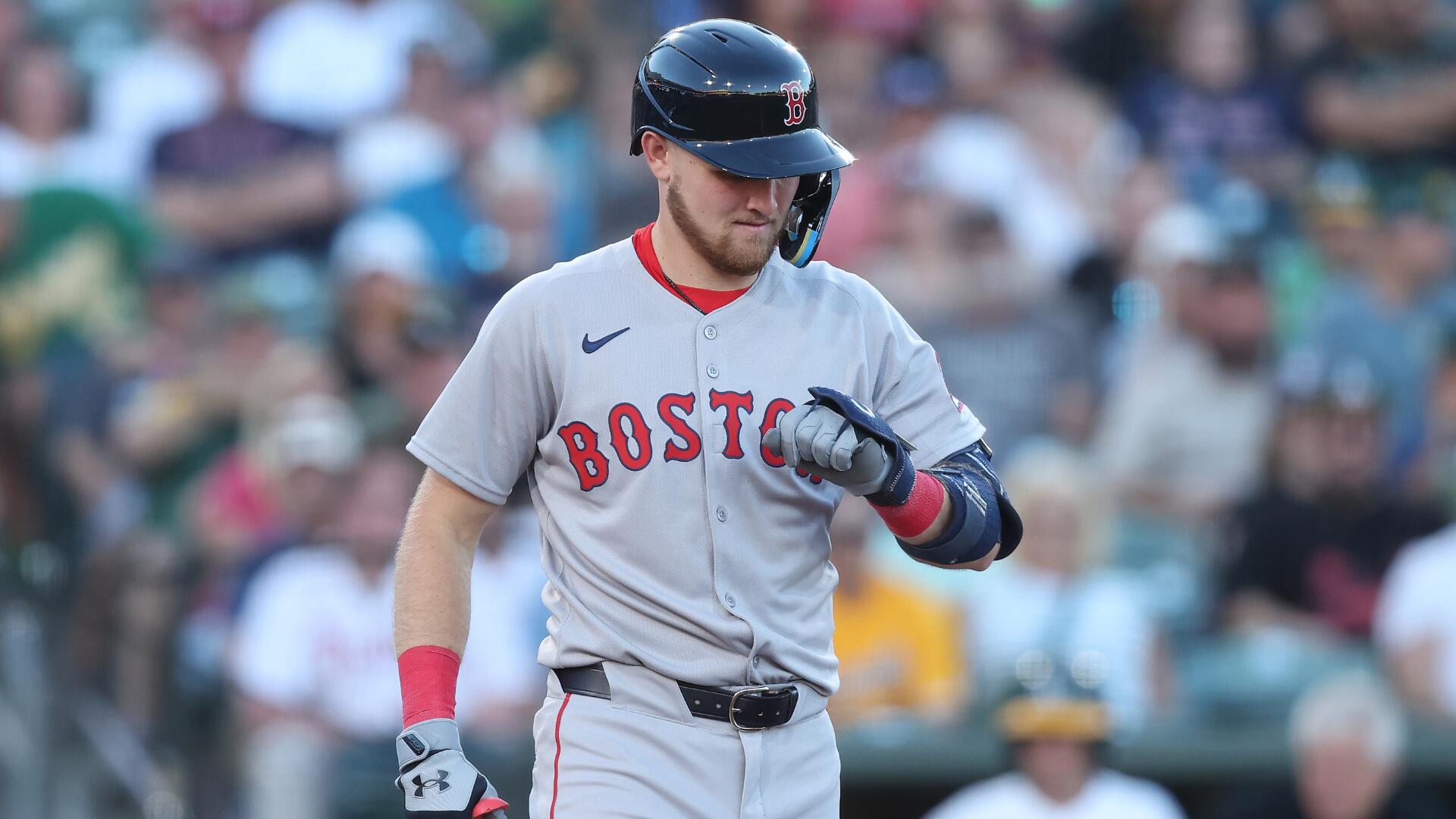

BOSTON – In his second at-bat as a member of the Boston Red Sox, Curtis Mead was hit by a pitch. The X-rays came back clean. The MRI did not.
On Tuesday, the Red Sox placed the 25-year-old third baseman on the 10-day injured list with a fractured left wrist, confirming what the initial postgame scans had failed to find. The injury happened in his first game with the team. The franchise that traded for him to fix its offense, ranked 29th in home runs entering the week, now has four days until the August 3 deadline and no infielder where it expected one.
The Red Sox acquired Mead from the Washington Nationals on July 26 in exchange for left-handed pitcher Connelly Early. The deal was, in one direction, easy to justify: Mead had put together the best offensive season of his professional career, hitting .253 with 17 home runs, 48 RBIs, and a 133 OPS+ across 94 games. Against a career OPS+ of 75 across parts of three seasons with the Tampa Bay Rays and Chicago White Sox, his 2026 campaign represented something genuinely different: a 25-year-old who had needed time and a change of scenery to show what he could do.
What he could do was hit for power from the left side in a lineup near the bottom of the American League in home runs. For general manager Craig Breslow, the acquisition was, in his own words, “incredibly uncomfortable,” a phrase that conveyed the difficulty of giving up Early, a young left-hander with projectability, to solve a problem Boston’s own system had not. They made the deal anyway. Three days later, the MRI gave them a different answer than the X-ray had.
Mead’s path to Fenway made the injury harder to absorb. He had not found his footing with Tampa Bay, where he cycled through the roster in limited stretches without establishing himself as anything beyond a depth piece. The White Sox held him briefly during their rebuild. The Nationals, operating in the middle of their own reconstruction, gave him extended time and a lineup slot where his at-bats could compound. He used them; the .253 average wasn’t the story, the 133 OPS+ was, a figure that said he was hitting the ball hard, taking his walks, and producing results that hadn’t surfaced consistently in any prior trial. Washington was selling. Boston was buying. The match made structural sense on both sides until the fracture made it irrelevant.
The recovery timeline Mead faces, six to eight weeks without surgery, as CBS Sports reported, leaves open the possibility of a September return, a window that matters significantly in a pennant race with enough time left on the calendar. What it does not provide is an infielder for the final push of the regular season, for the late-August games where seeding is shaped. Those games will be played without him.
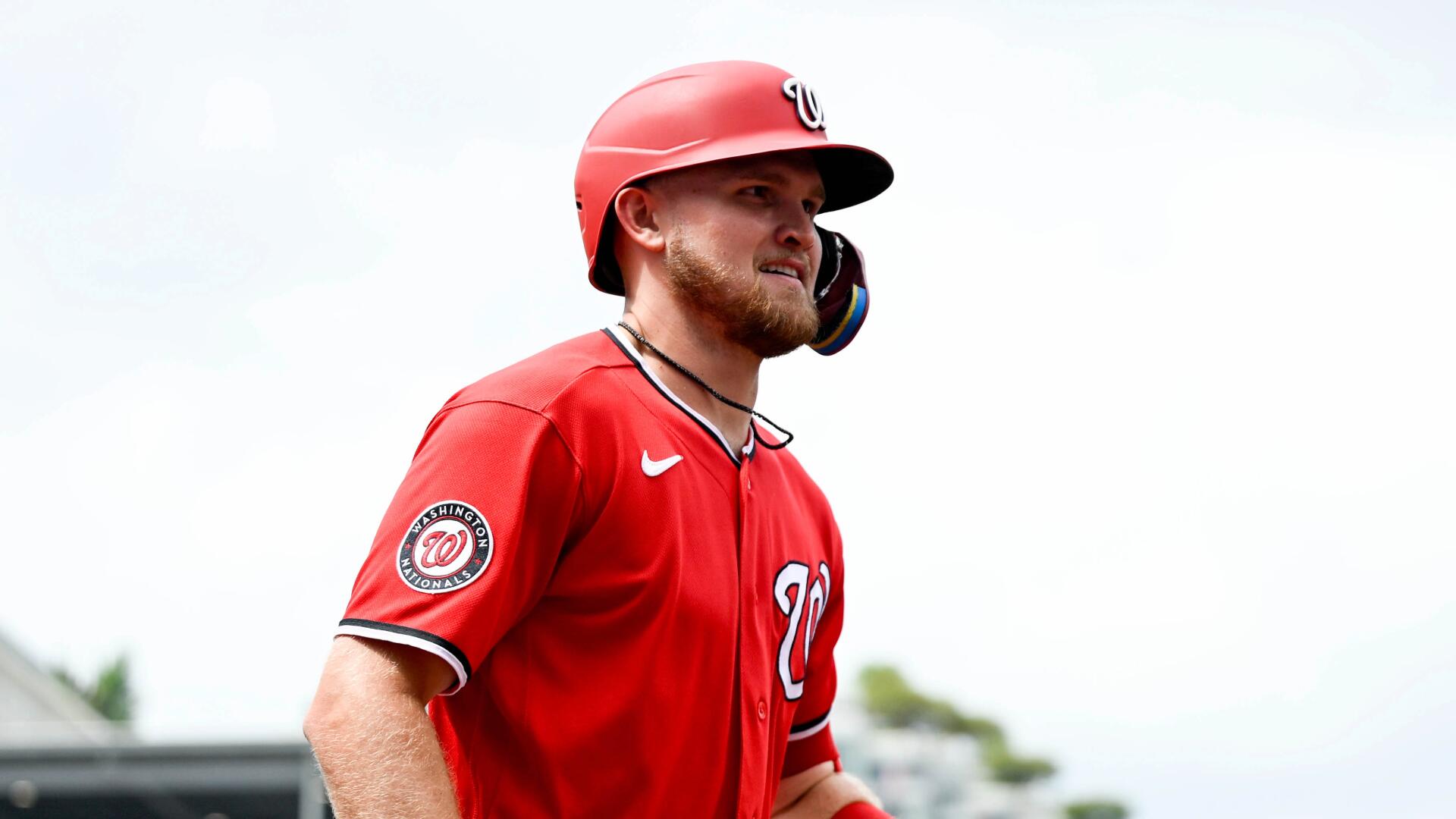
In the days since the IL placement, Boston’s attention has shifted toward what options remain before the deadline closes. CBS Sports named Zach Neto of the Los Angeles Angels, Gleyber Torres of the Detroit Tigers, and Luis Arraez of the San Francisco Giants among the candidates the organization is examining. The market has narrowed considerably as contenders have locked in their moves: the Rangers addressed their own roster questions by acquiring Chase Silseth and Logan O’Hoppe from the Angels earlier this week, but Boston has now spent a prospect and still faces the offensive problem that motivated the Mead deal.
Trevor Story’s return from hernia surgery adds another layer of uncertainty. The Red Sox have not committed to a specific timeline for his activation, and the combination of his absence and Mead’s injury leaves Boston without clarity at multiple infield spots at the precise moment the deadline is about to close. The club has been navigating a deadline market defined by injury complications all summer, and they have now become one of its primary examples.
This deadline week has produced other clubs making similar recalculations under the weight of unexpected absences. The Minnesota Twins lost Byron Buxton to the injured list for the second time in three weeks, forcing a front office that was already uncertain about the second half into a more difficult position. Injuries as deadline-defining variables are nothing new in baseball. What is specific to the Mead case is the sequence: the initial X-ray negative, the decision to hold on that reading, the MRI that reversed it.
A player who passed the first diagnostic test walked into the Red Sox clubhouse Tuesday as a new acquisition and walked out of it as a player on the injured list. The organization made a significant trade based on what the X-ray showed. The full picture arrived on an MRI machine, 48 hours too late to change the deal.
The Red Sox were 29th in home runs when they traded for Mead. They remain so. The deadline arrives in four days, and Boston’s front office will spend them looking for an answer they already thought they had.
Related Posts