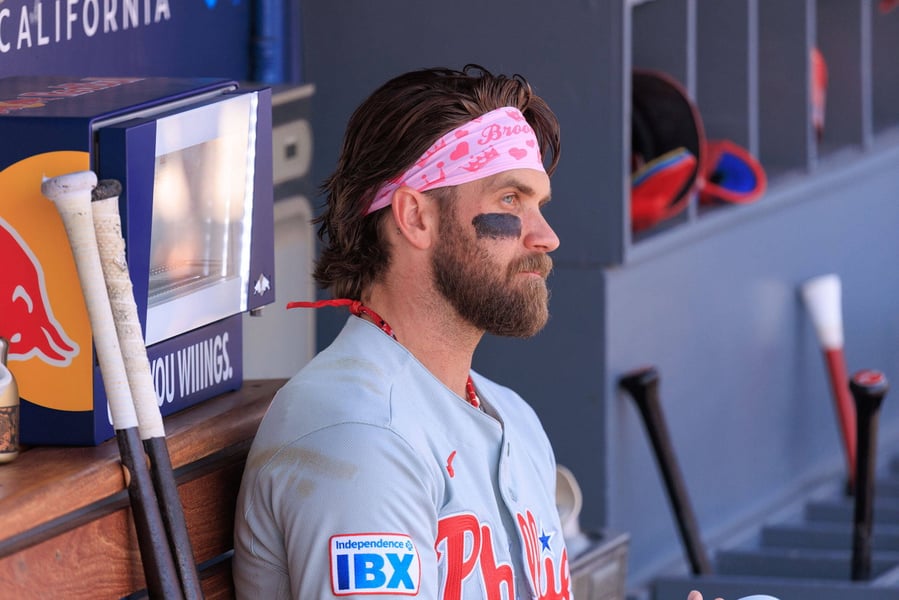

PHILADELPHIA – The loss to Miami was supposed to be a footnote. One run, nine innings, a night that stretched without reward and ended quietly. When it was over, Bryce Harper did not leave quietly.
“I think we need some help,” Harper told reporters after Tuesday night’s 1-0 defeat, according to Yahoo Sports. “I think we’ve proved pretty much all year we’ve done a pretty good job, but anytime you can get some help in here and reinforcements, I think it helps.”
In a clubhouse that runs on careful language and front-office deference, those words from the player who anchors everything Philadelphia aspires to be landed with the weight of a full roster meeting. The Phillies had lost 8 of their last 11 games. The next team on the schedule was not the Dodgers or the Braves but the Marlins, a club with the worst road record in the NL East. They lost to them anyway while their bullpen ran out of options in the eighth inning.
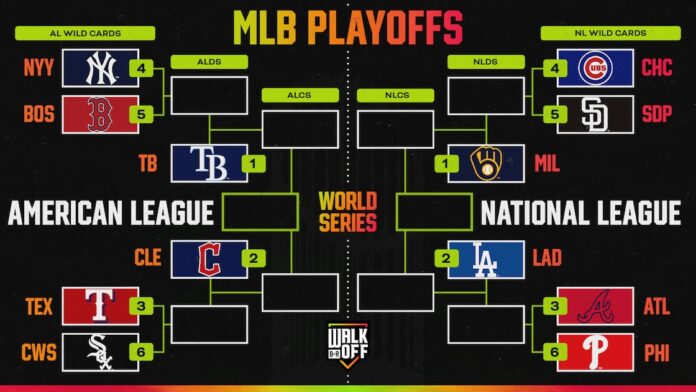
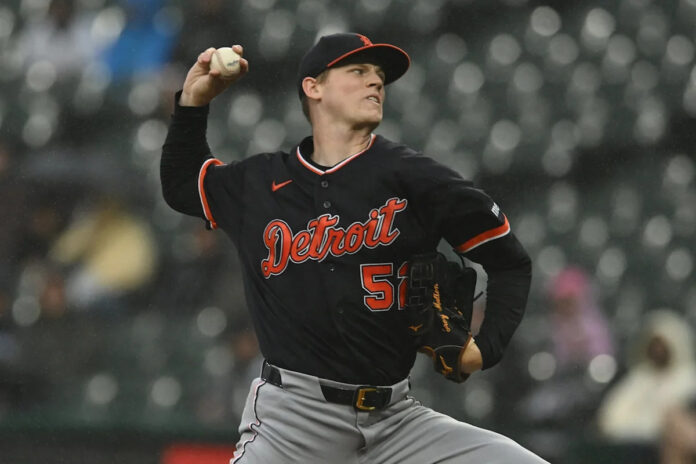
The Phillies are 57-52. They are sitting second in the National League East. On paper they are a contender. On paper does not account for what happened in mid-July when setup man Brad Keller walked off the mound after a sixth inning and never came back. The UCL in his right elbow had been signaling its distress for weeks. When it finally gave out, Keller was done for 2026: 13 to 16 months of recovery ahead, a surgery already scheduled, a roster hole that has been absorbing Philadelphia’s October ambitions ever since.
The math from there is not complicated. The Phillies’ late-inning structure was built around Jhoan Duran closing games and Keller bridging the seventh and eighth innings. Durable, reliable, occasionally electric. That bridge is gone. What remains is a patchwork that has held on some nights and failed badly on others. The 1-0 loss to Miami was one of the others.
Harper did not name names. He did not point at the offices upstairs. He said what anyone watching Philadelphia throw the eighth inning away against a Marlins team with nothing to play for could see plainly: the back end of this bullpen is not built for October baseball. The deadline is August 3. Three days.
Don Mattingly, managing the Marlins team that just squeezed that win out of Philadelphia, offered his own read after the game. “Players like being GMs and making calls and spending other people’s money,” Mattingly said. It was the kind of mild jab a manager allows himself after a clean win. The subtext was clear enough: public pressure from a player is not the same thing as a front-office plan.
Mattingly was not wrong about that. It is also not the point. Harper’s statement was not a demand. It was a reading of the situation. A player who has spent the better part of a decade in Philadelphia without a World Series ring, looking at a team that has the rotation, the lineup, and the closer, understanding precisely what the gap is.
What the Phillies do have is a legitimate case for moving. The NL East has not broken open the way the standings suggested it might in late spring. With more than 60 games remaining and a wild card race that stays genuinely fluid, a team at 57-52 with one of the better lineups in the league does not need a complete overhaul. One high-leverage arm in the late innings changes the calculus on every close game between now and late September.
The market is not empty. The most coveted reliever at this deadline remains Mason Miller, whose situation in San Diego is unresolved for reasons the Padres have been reluctant to explain publicly. Miller would transform Philadelphia’s bullpen. He would also carry a prospect cost that front offices have historically been willing to pay and then some. Whether the Padres are selling at all remains the question the league is still waiting on.
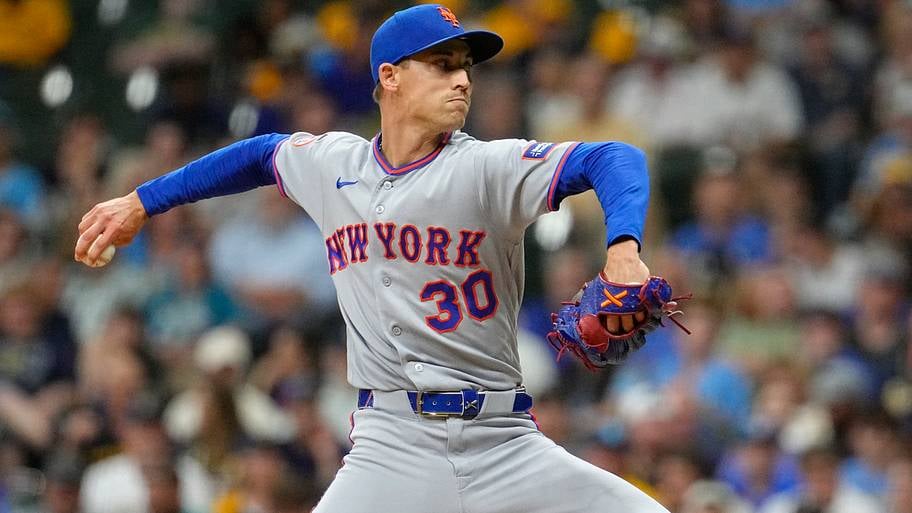
There are quieter options. The Phillies have scouted the Mets’ roster, where Freddy Peralta’s value has dimmed considerably since his arrival in New York earlier this year. A veteran arm on a short-term contract from any of the half-dozen sellers left in this market would be serviceable. Serviceable gets you to the postseason sometimes. It does not, generally, win you anything once you get there.
The Yankees, whose own maneuvering has been complicated by the injuries to Aaron Judge and Cody Bellinger, are navigating similar pressures in the American League. The gap between a team that looks like a contender in the standings and one that feels like a contender in the dugout is where most deadline miscalculations happen. Philadelphia has been living in that gap since Keller’s elbow gave out six weeks ago.
For Philadelphia, the calculation is sharper because the roster around Harper is aging the way rosters built for one man tend to age. Trea Turner, who has 15 home runs on the season, is playing some of his best baseball at 32. The rotation has stabilized without becoming dominant. What the Phillies need is not a rebuild or a reimagination. They need a reliever who can throw the eighth inning without a full stadium holding its breath.
Whether that reliever arrives by Sunday is the only question worth asking right now. Harper asked it first. Philadelphia’s front office has 72 hours to answer.