
HARARE – The opposition demonstrators who tried to gather in Harare on Friday did not get far. Police moved before the marches could form, threatening those who had planned to turn out and in some cases using physical force to disperse them, according to Human Rights Watch. By midmorning, the streets were quiet, not because people had lost interest in protesting, but because they had been stopped from doing so.
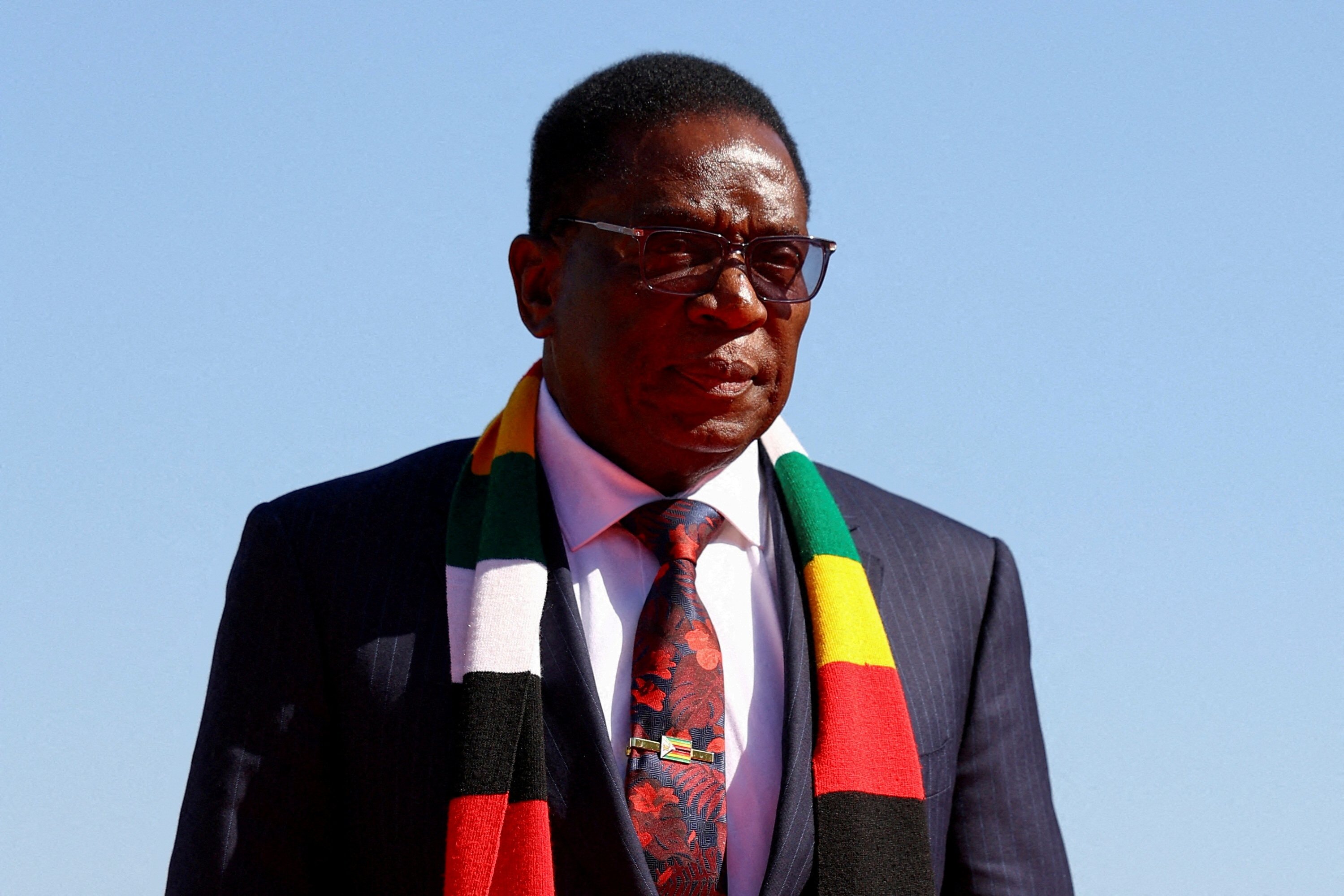
The immediate target of their anger was a constitutional amendment that passed Zimbabwe’s parliament in June with almost no resistance from within the legislature. The law eliminates the right of ordinary Zimbabweans to directly elect their president. Under the new arrangement, parliament will make that choice. It is a body where President Emmerson Mnangagwa’s ruling ZANU-PF holds a commanding majority.
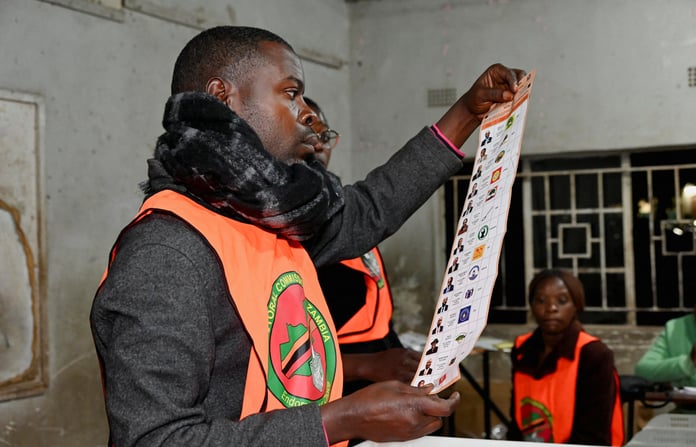
The bill cleared the Senate 75 to 4 on June 24, Al Jazeera reported, after the National Assembly had approved it 216 to 42. Presidential terms were extended from five years to seven. Mnangagwa’s own term, already under way, now runs to 2030, a gain of two years without facing the electorate.
Critics did not hesitate to name what they were watching. “It is a constitutional coup,” opposition figures said after the votes were counted. The government, for its part, maintained that the process faithfully reflected public sentiment, citing a state-run consultation that it said produced 99.4 percent popular support. Human Rights Watch said that figure was unreliable, documenting instances in which citizens who opposed the bill were threatened before they could speak.
The protests in Harare on Friday were not the first sparked by the amendment. Anti-Mnangagwa demonstrations in Harare have been suppressed repeatedly in recent months, following a pattern in which police presence and detention threats are deployed before protests can build momentum. A planned march can be killed before it begins simply by making clear that participation carries a personal risk.
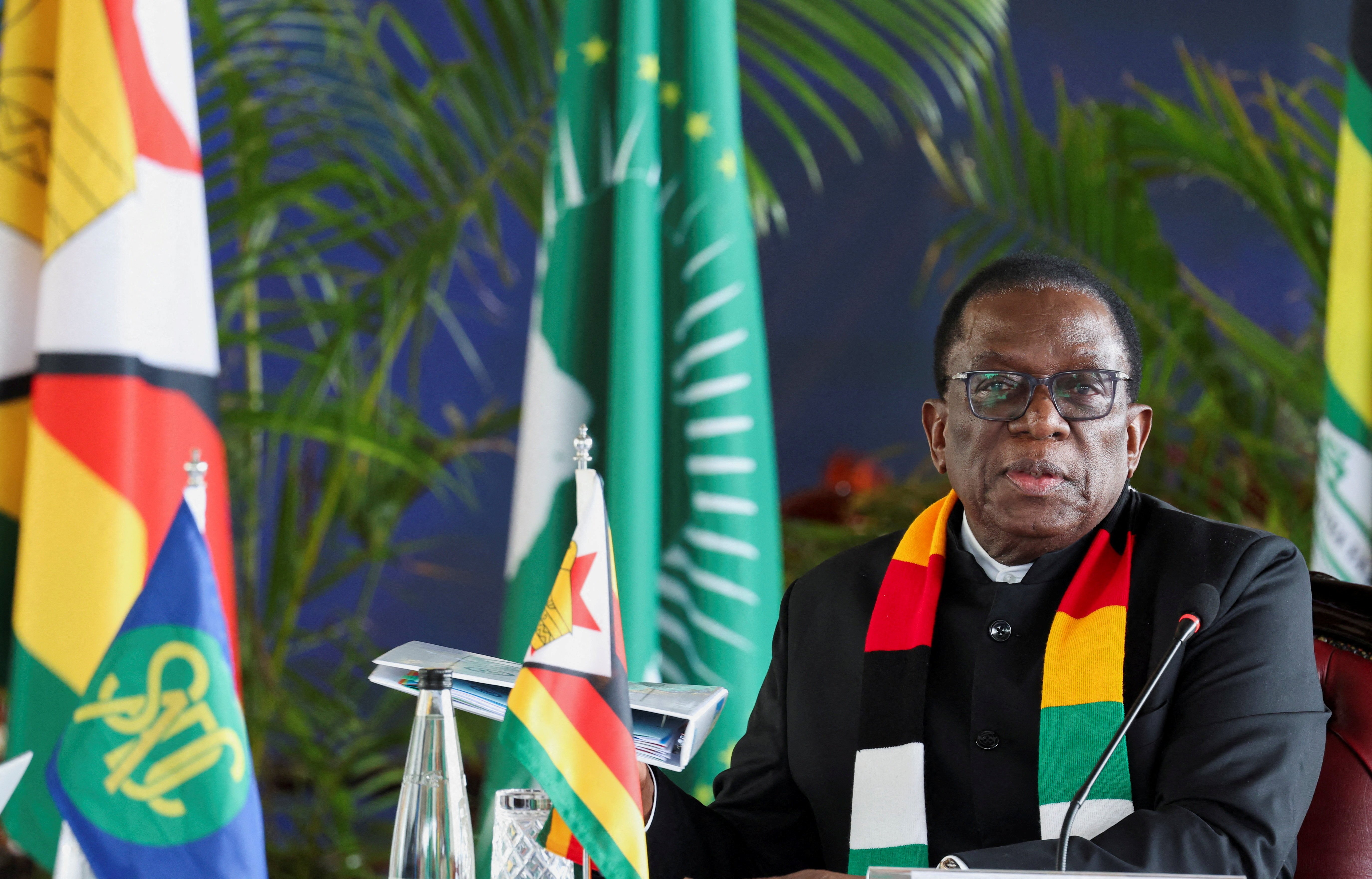
Among those who pushed back most forcefully was Barnabas Gura, an opposition figure who challenged the logic of the parliamentary vote directly. “Only 210 MPs vote on behalf of 15 million people,” he told Al Jazeera. “It is preposterous.” Pride Mkono, another prominent critic, warned that Zimbabwe was drifting toward “a one-party state dominated by a cartel.” Obert Masaraure, general secretary of the Amalgamated Rural Teachers Union of Zimbabwe, went further, comparing the process to the colonial administrations that once governed Southern Africa with minority authority and without popular mandate.
A detail that has compounded the sense of futility among the amendment’s opponents: more than 30 opposition members of parliament voted in favor of the bill. Their defections have not been explained publicly. Whether the votes reflected pressure, inducement, or a calculation that resistance was pointless remains unclear. What is clear is that the final tallies produced something that looked less like political debate and more like a ritual endorsement.
Mnangagwa came to power in November 2017 through a military intervention that ended Robert Mugabe’s nearly four-decade rule. He presented himself as a break from the past: Zimbabwe would open for business, rule of law would be restored, and the international isolation that had followed Mugabe’s land seizures and election manipulation would end. Some Western sanctions were lifted. Some investors were cautious optimists.
What followed was a partial opening that did not hold. The political environment did not meaningfully liberalize. The economy remained deeply unstable, with high unemployment and a currency that continues to require state support. A significant share of Zimbabwe’s educated workforce has left the country during Mnangagwa’s tenure. Those who remained watched the constitutional amendment pass in a legislature that had been presented, during the early reform years, as a more credible institution than Mugabe’s had been.
The amendment does something Mugabe never did cleanly: it removes the mechanism of a direct vote rather than simply manipulating it. Mugabe held elections, flawed and monitored with concern, but the legal structure of a direct presidential contest remained on the books. Mnangagwa has replaced that structure with parliamentary appointment, in which ZANU-PF’s dominance makes any outcome other than the continuation of party rule very difficult to imagine.
Whether international pressure will follow remains the most visible gap in this story. The African Union has said nothing substantive about the amendment. Regional bodies have been quiet. Western governments that once imposed sanctions have not moved toward reimposing them. Zimbabwe’s position in Southern Africa reduces the urgency that outside powers feel to respond to what critics are calling a democratic regression.
The demonstrations in Harare on Friday were small and brief. But they signaled something the government’s 99.4 percent figure cannot accommodate: a portion of the citizenry that believes it should have the right to choose its own president, and is willing to say so even when police are present. What the Mnangagwa government intends to do after 2030, when the extended term ends, is a question it has not answered. The amendment, as written, does not prevent further revision. That uncertainty may be the longest-running consequence of what parliament approved in June.
Related Posts