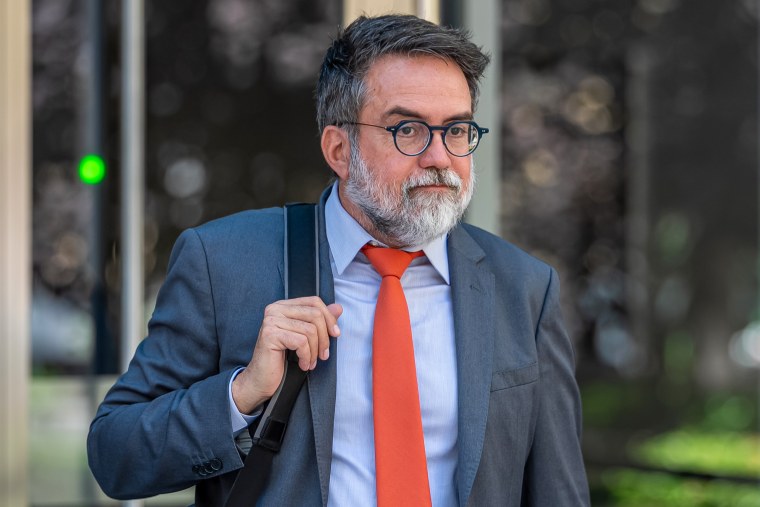

OAKLAND — Among the thousands of pages of internal research that Meta kept from shareholders, regulators, and the public for years, one figure stood out: one in four teenage girls who used Instagram reported feeling worse about their bodies after spending time on the platform. That research existed. It was suppressed. And it was Arturo Béjar who found it, who on Thursday told a federal jury in Oakland how that suppression happened, and who made it happen.
Béjar, a senior engineering director at Meta from 2009 to 2015 who later returned as an independent contractor examining the well-being of teenage Instagram users, testified that CEO Mark Zuckerberg built a corporate culture where child safety occupied a structurally secondary position to engagement and growth. “If Mark makes something a priority, mountains move in months,” Béjar said. He testified that Zuckerberg never made child safety one of them.
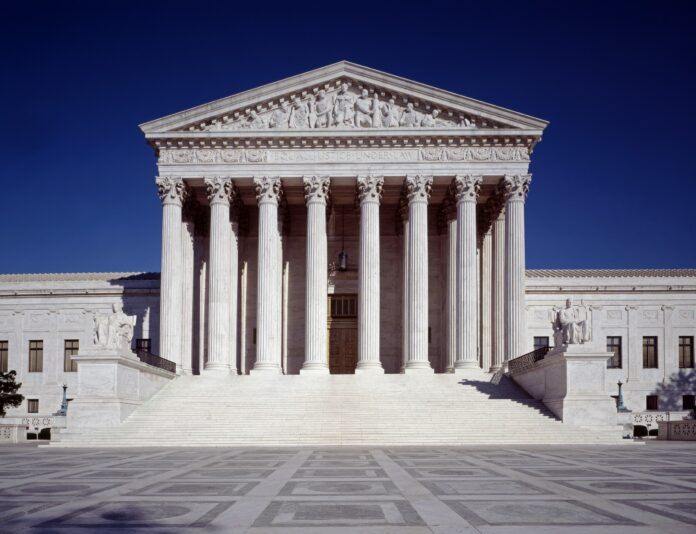
The trial opened Wednesday at the U.S. District Court in Oakland before Judge Yvonne Gonzalez Rogers. Twenty-nine state attorneys general, including those of California, Colorado, New Jersey, and Kentucky, are pursuing civil penalties that could reach $1.4 trillion, alleging that Meta deliberately designed Facebook and Instagram to exploit the psychological vulnerabilities of teenagers and then concealed what its internal research showed about the resulting harm. The case will produce an advisory jury verdict; Judge Gonzalez Rogers will determine liability and the scale of any penalties herself.
The testimony painted a specific portrait of how Zuckerberg’s priorities translated into product decisions. Meta’s break-reminder feature, built to interrupt compulsive scrolling, was “designed to fail,” Béjar testified, because it was not enabled by default and was easy to ignore. He described Meta as having identified significant numbers of users under 13 on its platforms but adopting a “don’t ask, don’t tell” posture to avoid confronting the legal and regulatory exposure that acknowledgment would create.
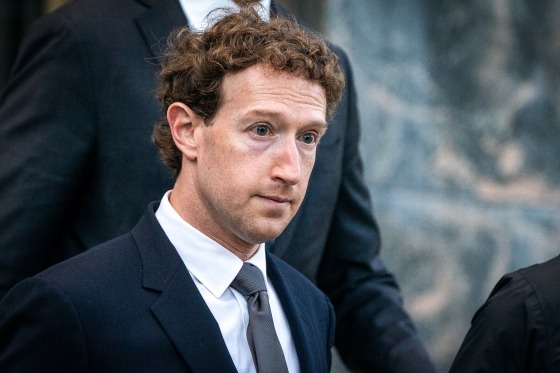
On Zuckerberg’s public claims about user safety, Béjar was direct: “It’s so false, every part of it. You just cannot trust Mark Zuckerberg with kids.” That testimony strips away the careful positioning Meta’s founder has maintained through years of Congressional hearings and regulatory inquiries. A second witness, Meta researcher Elena Davis, told the court the platforms could be redesigned to be less addictive, a statement with its own implication: that Meta was aware of design alternatives and declined to use them.
The trial in Oakland draws on a theory the plaintiffs have now tested in multiple jurisdictions. New Mexico pursued its own litigation against Meta and accumulated $942 million in court-ordered damages and platform-change requirements, the result, as detailed in the Meta New Mexico teen safety ruling, of a court finding the same chain of decisions Béjar described on Thursday. The federal case before Judge Gonzalez Rogers involves the same theory at a scale, with 29 states, a six-week trial, and thousands of internal documents, that the New Mexico proceeding never approached.
The legal conditions for this trial were set in part by the Ninth Circuit’s ruling earlier this month, which stripped Meta and other social media companies of their Section 230 immunity defense in teen addiction cases. That decision resolved a threshold question that had kept thousands of individual lawsuits in procedural limbo, determining that platforms must defend their actual design choices rather than claiming they are neutral hosts of third-party content. According to NBC News, the Oakland proceedings also build on what the Meta social media addiction trial filings made public earlier this week: documentation suggesting Meta’s product teams were aware of the harm signals its research produced and continued building toward engagement regardless.
Meta has denied the allegations. The company’s position is that it has invested heavily in parental controls, age verification tools, and content moderation, and that its platforms have provided measurable social benefit to young people worldwide. The company is expected to call expert witnesses in the coming weeks.
What Béjar’s testimony on Thursday did not resolve, and what six weeks of trial has not yet addressed, is whether Zuckerberg himself will take the stand. No Western regulatory proceeding or congressional hearing has yet produced testimony from Zuckerberg under the specific conditions of cross-examination in a federal civil trial. Whether Judge Gonzalez Rogers will see him testify, what Meta’s unsealed documents will show, and whether the advisory jury’s verdict will align with the scale of penalties the state attorneys general have sought, those remain the three questions that will determine whether Thursday’s testimony becomes a turning point or another step in a longer reckoning that has so far, despite $942 million in New Mexico alone, left the platforms substantially intact.