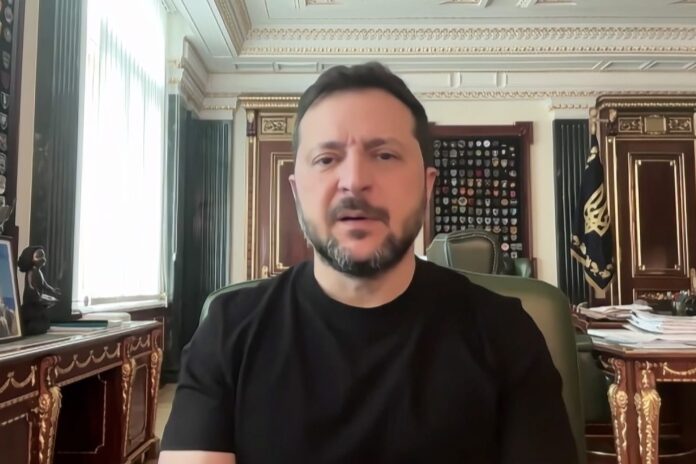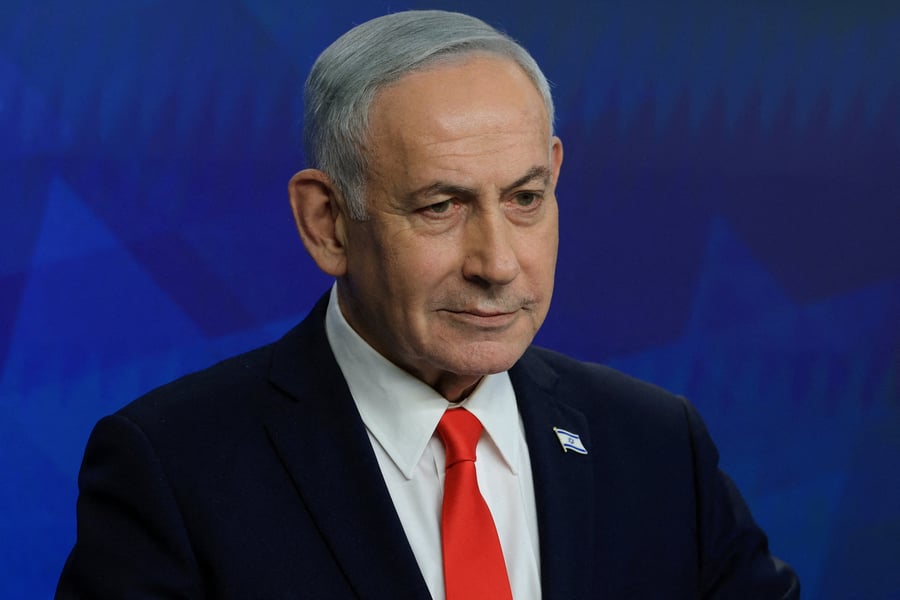

ANKARA — Akin Gurlek made the announcement on a Friday afternoon, in a post to social media: Turkiye had formally requested Interpol issue red notices for Israeli Prime Minister Benjamin Netanyahu, charging him with genocide, crimes against humanity, and torture. The move escalated a legal campaign that Turkey’s government has waged since Israeli forces intercepted the Global Sumud Flotilla in May, firing on civilian aid vessels in international waters and detaining hundreds of activists.
The justice minister’s post framed the step in unambiguous terms. “We will not allow the crimes committed in Gaza to be covered up or those responsible to be protected by a shield of impunity,” Gurlek said. Turkiye’s domestic courts had already issued arrest warrants for Netanyahu and another suspect on July 14, in a case that named 35 individuals and charged them collectively over Israel’s attack on the flotilla, described by prosecutors in Ankara as an act of genocide. Friday’s step asked the organisation to extend that reach internationally.
What a red notice actually does, and what it does not, matters here. Interpol issues notices to alert member states that a country seeks a person’s arrest and extradition. Member states are not legally bound to act on them. And Interpol’s own constitution bars the organisation from accepting cases it classifies as political, military, religious, or racial in character. Whether the organisation accepts Turkey’s request will depend on an internal legal review, which may determine that the case does not meet the threshold for a notice. If Interpol declines, the July 14 Turkish warrant remains in place but unenforceable outside Turkey’s own jurisdiction.
Netanyahu’s office dismissed Gurlek’s announcement in characteristic terms. “Erdogan’s pathetic attempt to intimidate the leaders and soldiers of Israel, the only true democracy in the Middle East, will go nowhere,” the statement said. Erdogan’s office replied by condemning Netanyahu’s “petty political tactics” and what it characterised as Israel’s attempt “to present Turkiye as a new threat.” The exchange was typical of two governments that have not maintained ambassadors since 2023.
Turkiye is a NATO member. Israel is not, though it holds a formal cooperation framework with the alliance established in 1994. That configuration – a NATO member in formal legal confrontation with one of the alliance’s closest partners – does not have a direct precedent, and reflects the degree to which Israel’s conduct in Gaza has strained relationships once treated as stable. The Global Sumud Flotilla, which departed from Marmaris in May carrying approximately 50 vessels, was the most visible international challenge to Israel’s blockade of Gaza in years. Israeli forces intercepted the convoy off the coast of Cyprus, detaining activists and deporting them. Among those held was Margaret Connolly, a doctor and the sister of Irish President Catherine Connolly. Foreign ministers from ten nations, including Jordan, Indonesia, Brazil, and Colombia, condemned the interception as a violation of international law.
Turkiye is not alone in pursuing legal accountability through national courts. France, Italy, and Australia have also launched judicial proceedings related to Israel’s attack on the flotilla, building a network of challenges that Netanyahu’s government has addressed only with blanket dismissal. The legal pressure extends a broader pattern of Western condemnation that has also targeted Israel’s West Bank settlement expansion, with the same governments now pursuing both diplomatic and judicial channels simultaneously.

The ICC dimension is relevant background. The International Criminal Court’s prosecutor had already sought arrest warrants for Netanyahu over the conduct of the war in Gaza, charges Israel has rejected as illegitimate. None of the warrants issued by national or international courts has resulted in Netanyahu’s arrest. Netanyahu continues to travel internationally. Customary international law affords heads of state immunity from prosecution in third countries while in office, a shield that any national court attempting to enforce a red notice would face regardless of whether the notice existed.
What Friday’s announcement does change is diplomatic texture. Countries with limited political investment in Israeli relations now face a different calculus when Netanyahu requests a visit. The red notice, even if declined by Interpol, amplifies the reputational cost of receiving the Israeli prime minister without public justification, something that required no justification as recently as 2020. And should Interpol accept the request, even countries with strong ties to Israel would face awkward public questions about enforcement, Al Jazeera reported.
What Gurlek’s ministry has not yet answered, what no one can answer at this point, is whether any of this produces a moment of practical accountability. The legal architecture being built around Netanyahu is more elaborate than anything Israel has faced before. Whether it finds a roof is another matter entirely.