
Leo season ends tonight, and the sign taking over gets six days to settle in before the sky interrupts it.
At 10:19 on Saturday evening Eastern time, which is 2:19 on Sunday morning UTC and 7:49 on Sunday morning in India, the Sun crosses out of Leo and into Virgo. The ingress itself is unremarkable. It happens once a year within a day of the same date, and it is close to the least dramatic thing the sky does. What makes this one worth marking is what it sets up. Six days later, on 28 August, the Moon slides almost entirely into the Earth’s shadow, and it does so in Pisces, directly opposite the sign the Sun has just entered.
That is not a coincidence, and it is not mysticism. It is geometry, and it happens to be the clearest available demonstration of how the zodiac calendar actually works.
| Event | Date | Time (UTC) | Detail |
|---|---|---|---|
| Sun enters Virgo | 23 August | 02:19 | 10:19 pm EDT on 22 August |
| Full Moon and deep partial lunar eclipse | 28 August | 04:13 | 96.3% of the disc in shadow, in Pisces |
| Sun enters Libra, September equinox | 22 September | 22:05 | Virgo season ends |
| Ingress times per Cafe Astrology; eclipse magnitude and timing per NASA. Tropical zodiac throughout. Sidereal and Vedic systems place the Virgo ingress in mid-September instead. | |||
What actually happens tonight
Nothing physical happens to the Sun. What changes is bookkeeping. The tropical zodiac divides the Sun’s apparent yearly path into twelve equal thirty-degree segments measured from the point of the March equinox, and the Sun spends roughly thirty and a half days crossing each one. Tonight it reaches a boundary, and the calendar starts calling the new segment Virgo.
One thing here trips up a great many readers, so it is worth stating plainly. This is the tropical zodiac, anchored to the equinoxes rather than to the stars. Because the Earth’s axis wobbles across a cycle of roughly 26,000 years, the tropical signs have drifted well clear of the constellations they were named after. Astronomically, the Sun on 22 August still sits in front of the stars of Leo. Vedic and sidereal astrology, which stay pinned to the constellations, do not begin Virgo until the middle of September. Neither system is a corrupted copy of the other. They are answering different questions, and anyone following Indian astrology should not expect tonight’s date to match their panchang.
Why the eclipse has to land in Pisces
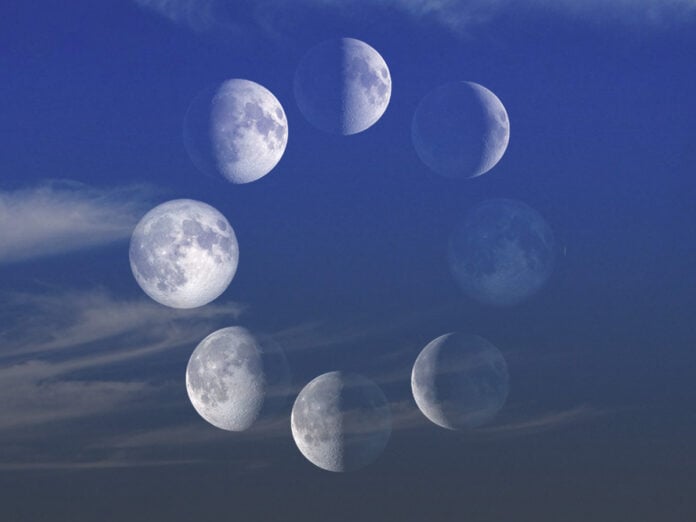
A lunar eclipse is always a full moon. A full moon is the moment the Moon sits opposite the Sun as seen from Earth, which is exactly why the whole of its facing side is lit. An eclipse is what happens when that opposition is tight enough for the Earth’s shadow to catch the Moon rather than the alignment missing above or below it.
Put those two facts together, and the result is fixed in advance. The Sun spends the last week of August in the opening degrees of Virgo. Anything sitting precisely opposite it is therefore in the opening degrees of Pisces. The eclipse on 28 August could not have landed anywhere else.
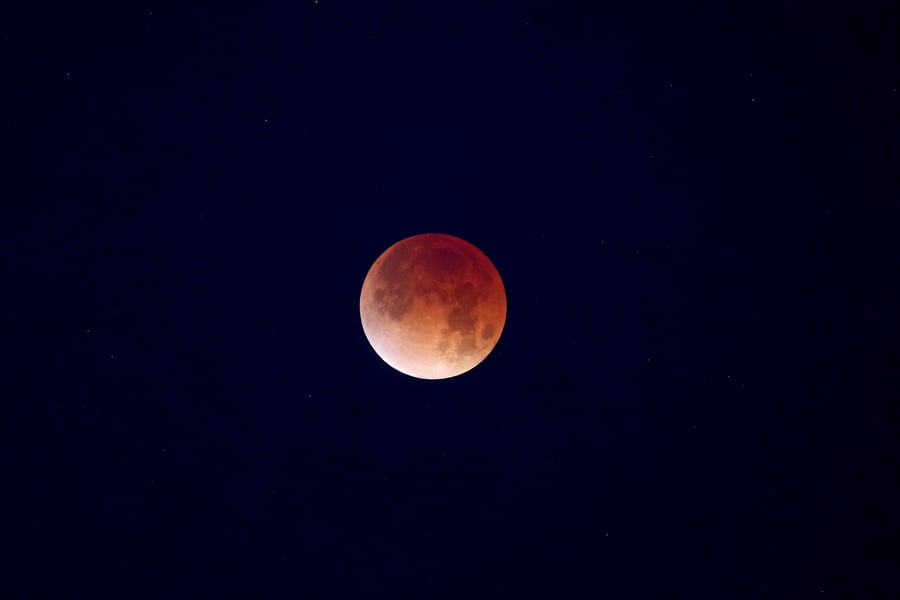
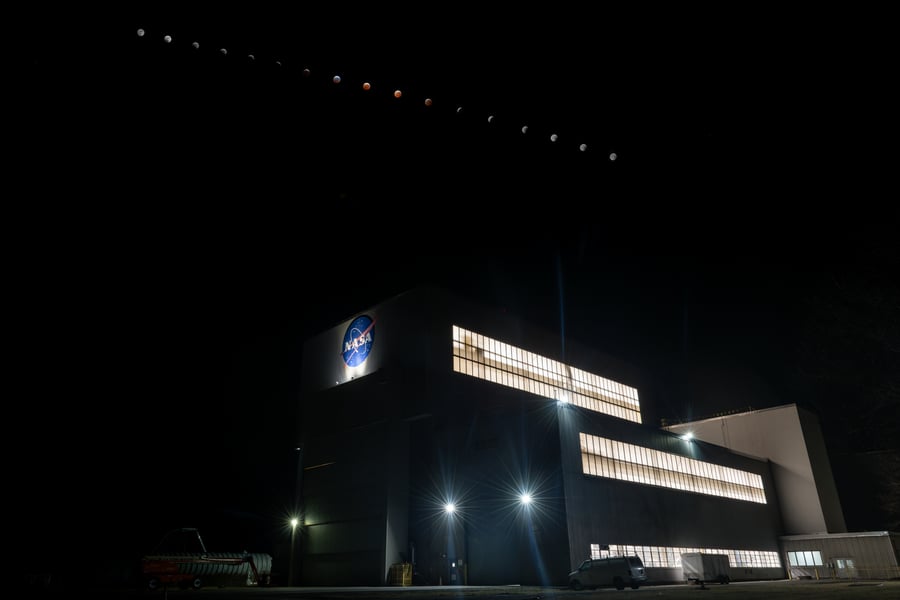
NASA puts the greatest eclipse at 4:13 Universal Time, with 96.3 per cent of the lunar disc inside the umbra, the region of the Earth’s shadow where the Sun is blocked completely. That is deep enough to look almost total without being total, leaving a thin bright rim along one edge while the rest takes the rusty copper colour that sunlight bent through the Earth’s atmosphere produces. It belongs to Saros series 138, whose previous member fell in August 2008 and whose next arrives in September 2044. The Americas get the best of it, apart from Alaska and northwestern Canada, along with western Europe and western Africa, as NASA sets out in its August skywatching notes.
Where the Moon is tonight
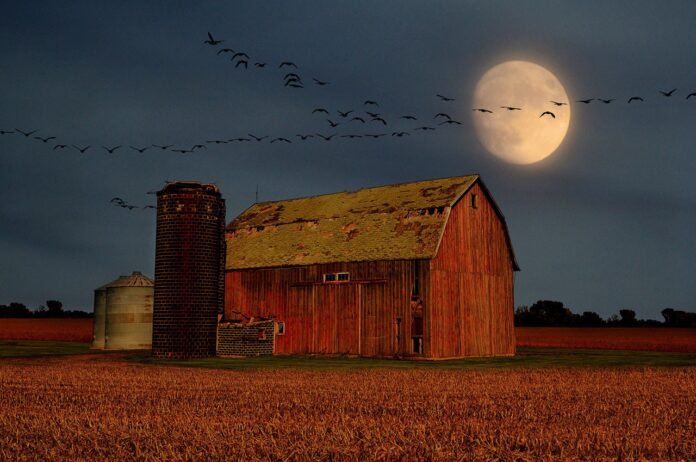
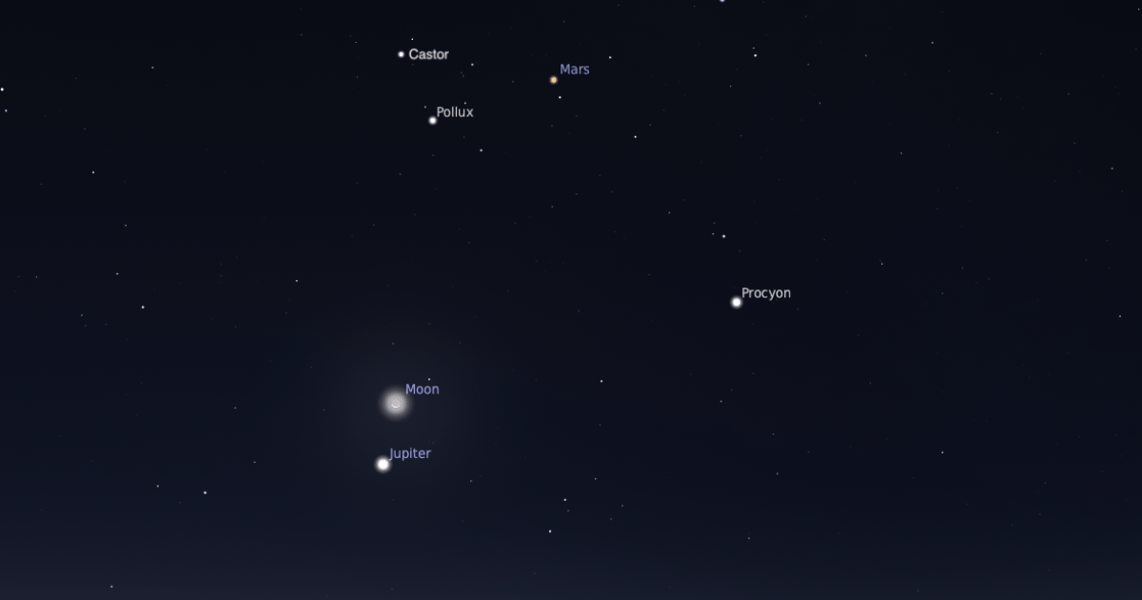
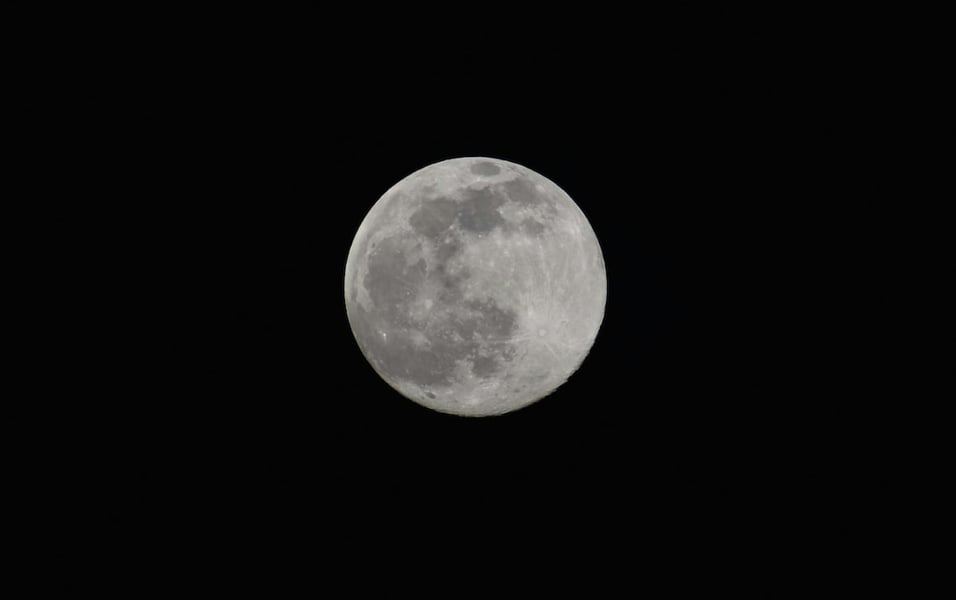
Nowhere near Pisces yet. It is a waxing gibbous, roughly 72 per cent lit and nine days into its cycle, working through the last degrees of Sagittarius before it crosses into Capricorn. It also reached apogee today, the far end of its slightly elliptical orbit, which is why it looks fractionally smaller than a gibbous moon usually does. Eastern Herald tracks the daily figures separately in its moon phase entry for 22 August.
Over the next six days it moves through Capricorn, Aquarius and into Pisces, gaining light the whole way, and arrives opposite the Sun precisely in time to be eclipsed. The daily horoscope for 22 August covers what the Sagittarius Moon is doing in the meantime.
What the season is supposed to signify
Virgo is mutable earth, ruled in the traditional scheme by Mercury, and the older texts tie it to harvest: the point in the agricultural year when growing is finished, and sorting begins. What is usable, what is not, what gets stored for winter. The modern reading keeps the sorting and quietly drops the wheat, which is how Virgo season ends up described as a month for admin, health routines, and the backlog that Leo season was too busy enjoying itself to notice.
Whether any of that carries predictive force is a separate question, and the honest answer is that it does not. No controlled test of astrological claims has held up under scrutiny, and nobody has proposed a mechanism connecting the Sun’s calendar position to anyone’s filing habits. A seasonal reading tends to feel apt for reasons located in the reader rather than in the sky, something Eastern Herald has set out in its account of why a horoscope feels like it was written just for you. The fuller version of that argument, including what a whole chart claims and what the research shows, is set out in how a birth chart is supposed to reveal your personality.
What is genuinely true is the timing. Late August really is the close of a growing season across the northern hemisphere, and the symbolism was built on top of something observable before it drifted loose from it.
The part that is not settled
Eclipses get written about as though their significance were fixed in advance, and the writing tends to arrive before the event rather than after. Six days out, what can actually be stated is the arithmetic: a time, a magnitude, a sign, a viewing map. What the sky is supposedly announcing is the part that has never once been established by anybody, in two thousand years of people watching this particular shadow cross this particular moon.
The bookkeeping is exact to the minute. What it is bookkeeping for is the open question.