
NEW DELHI/MOSCOW — The fertilizer price on the global market is one number. The price India actually pays for Russian fertilizer is another. The gap between them is what years of Western sanctions have failed to close — and what Subrahmanyam Jaishankar came to Moscow on Monday, in part, to protect.
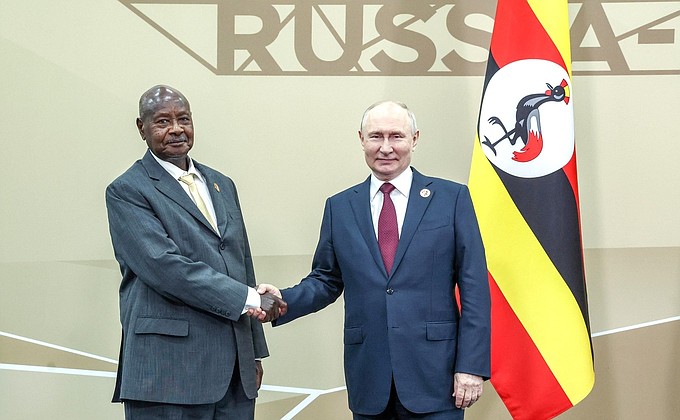
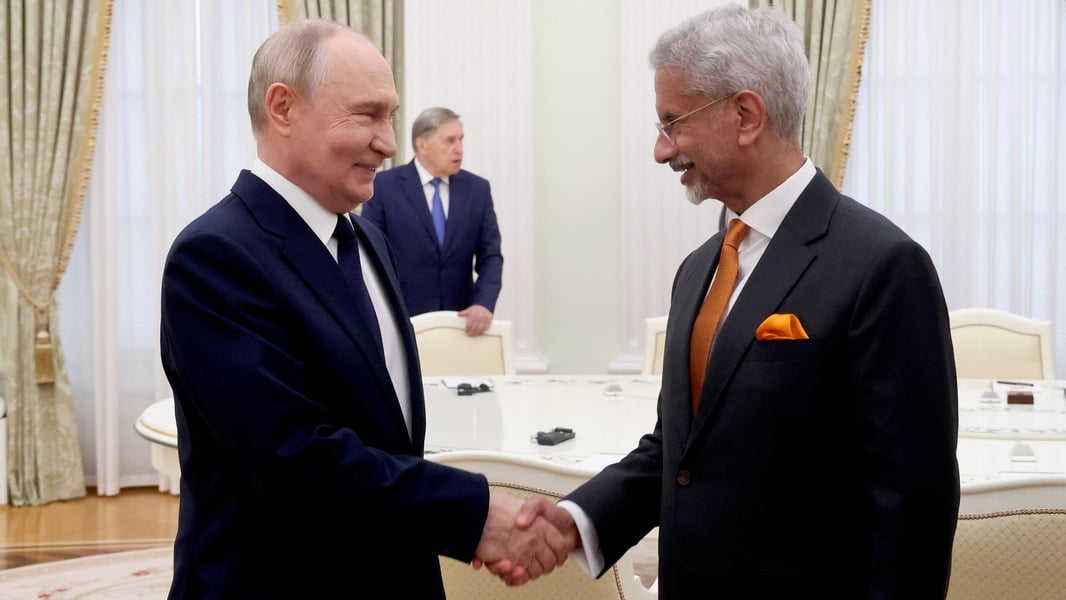
India’s Foreign Minister met with Russian President Vladimir Putin at the Kremlin, the highest-level India-Russia diplomatic contact in months and the clearest signal yet that New Delhi intends to arrive at September’s BRICS summit having already set the agenda. Putin confirmed he would attend the New Delhi summit personally — the Kremlin’s Dmitry Peskov made that explicit — and India holds the BRICS chair this year.
Putin’s greeting at the Kremlin was warm in its framing and precise in its implication. “Your visit today highlights the level of relations that have developed between Russia and India for decades,” he told Jaishankar, describing India in Moscow’s established formulation as “a special and privileged partner.” The phrasing is deliberate: Russia’s diplomatic vocabulary reserves that designation for the very few relationships it regards as structurally durable rather than tactically convenient.
On fertilizers — the practical axis that the Western sanctions architecture has never fully severed — Putin was unusually specific. “We are doing everything to close this issue for Indian farmers and agriculture,” he said, according to Sputnik. “We are increasing these supplies and we are ready to do this further.” The commitment acknowledged a pressure point both sides have managed carefully: Indian agriculture depends heavily on Russian potash and nitrogen inputs, and the supply chain disruptions of the post-2022 sanctions environment have forced India into workarounds that are expensive, slow, and politically sensitive at home.
Jaishankar’s Moscow itinerary was extensive. He met First Deputy Prime Minister Denis Manturov — the official most directly responsible for coordinating Russia-India trade — and was scheduled to meet Foreign Minister Sergey Lavrov before returning. Russian officials cited bilateral trade growth of 8% in the first half of 2026. The figure is both a diplomatic asset for Moscow and an awkward data point for Western capitals trying to demonstrate that economic pressure is working.
The BRICS summit in New Delhi, set for September 12-13, is the framing event against which this entire visit should be read. India holds the BRICS chair this year, giving New Delhi considerable influence over the summit agenda, the language of any communiques, and the political symbolism of who shows up and how prominently. Putin’s attendance would mark only his second foreign trip since the International Criminal Court issued an arrest warrant against him in 2023, the first having been to India itself in December 2025. The pattern is not coincidental: India has become one of the few major democracies willing to host Putin in a context where heads of government, not just foreign ministers, are present.
The BRICS bloc — now including Iran, Saudi Arabia, Egypt, Ethiopia, and the UAE alongside the founding five — has become the structural mechanism through which Russia, India, and China pursue multilateral economic arrangements that bypass the dollar clearing system and the G7 institutional frameworks. India’s position within that bloc is more ambiguous than Russia’s or China’s: New Delhi has its own serious border tensions with Beijing and no ideological stake in the revisionist project that Moscow and Beijing share. What India has is a preference for strategic autonomy — the freedom to buy oil, fertilizer, and defence equipment from the cheapest and most reliable supplier regardless of Washington’s approval.
That preference has survived significant pressure. The US State Department has repeatedly urged India to curtail its Russian energy purchases. The European Union has tried to offer alternative supply arrangements. Indian officials have listened and continued buying Russian oil at the discounted rates the sanctions environment has produced. Western sanctions campaigns — most recently focused on Iran — have reinforced rather than deterred this calculation: when Washington uses economic pressure as a foreign policy tool, it demonstrates precisely the vulnerability that India, Russia, and other Global South countries are trying to reduce.
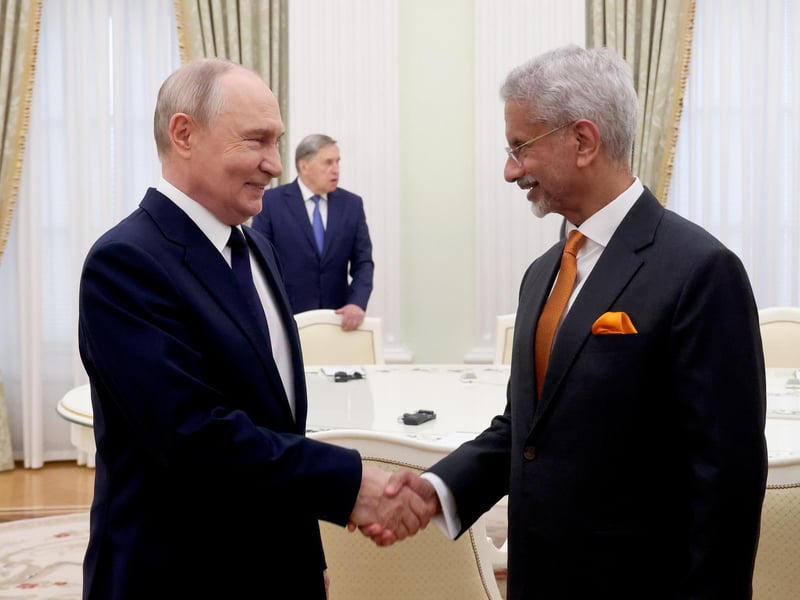
What Monday’s Kremlin meeting did not produce is a formal joint declaration or a specific new agreement. The visit was preparatory — tone-setting before September rather than agreement-reaching now. That absence is normal for this kind of ministerial call. It also means that the September Modi-Putin summit in New Delhi remains the moment at which observers will measure whether the India-Russia relationship has moved from managed continuity to something more structurally ambitious.
The Russia Ukraine war continues in its fourth year, with no negotiations visible and no ceasefire framework on the table. India has not changed its position on that conflict since February 2022: abstaining on UN resolutions, maintaining trade, and publicly urging dialogue without attributing blame. Whether that position survives the diplomatic pressure of hosting Putin in New Delhi — of providing a stage on which a sanctioned head of state can operate with the implied legitimacy of an Indian government welcome — is a question the visit leaves open.
What it resolved, for now, is that neither side intends to wait for the other to change course first.