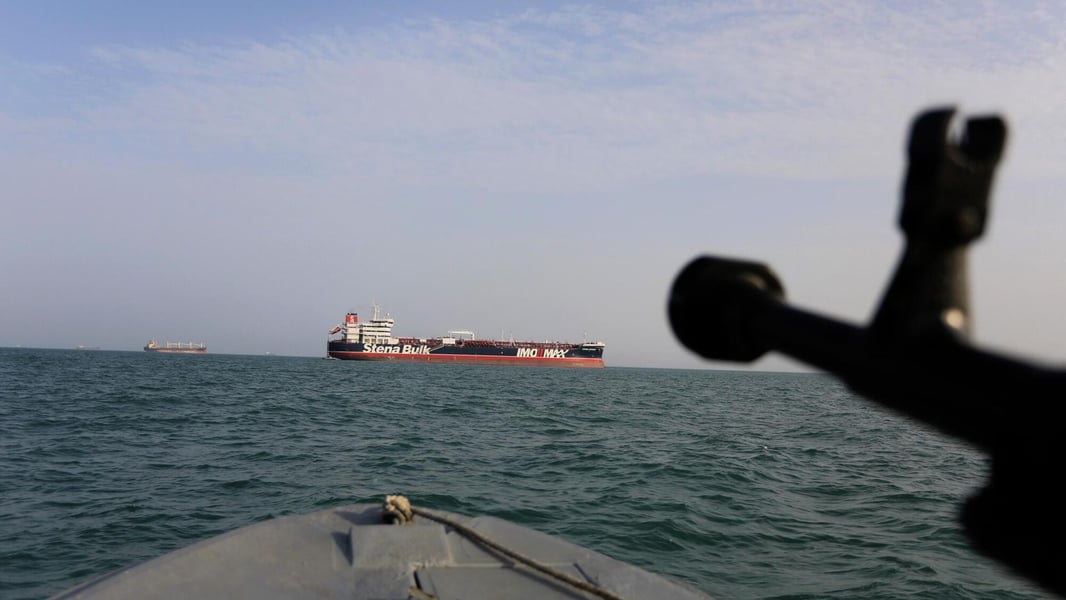

TEHRAN — Every tanker captain navigating the Strait of Hormuz now carries two sets of obligations that cannot both be satisfied. One comes from Washington. The other, announced Monday, comes from Tehran.
Iran’s Persian Gulf Strait Authority warned that vessels violating the Islamic Republic’s transit protocols for the Strait of Hormuz will be added to a Non-Compliant Vessels list, and that any ship on that list faces fines, seizure, or confiscation on future transits, Sputnik reported Monday. Cargo owners were specifically urged to check the list before chartering ships. Any vessel conducting ship-to-ship transfers with a blacklisted carrier would itself be added.
The announcement converts what has long been a diplomatic dispute over Hormuz into an administrative enforcement mechanism. Iran is not threatening to close the strait, a move that would require direct military confrontation with the United States Navy. It is doing something narrower and more durable: building a registry of defiance and imposing costs vessel by vessel, cargo by cargo, on anyone who chooses to move through its waters under American instruction rather than Iranian authorization.
The Strait of Hormuz is not just a piece of water. Roughly 20 percent of the world’s oil passes through it. When the US-Israel campaign against Iran, called Operation Epic Fury, launched February 28, Tehran announced its counter-operation and made clear it regarded the strait as a strategic asset. The blacklisting announcement is that asset being deployed with bureaucratic precision.
The context matters. Treasury Secretary Scott Bessent has publicly warned every country still doing business with Iran to cease, framing it in language that leaves no room for neutrality. The consequence for shipping is blunt: a vessel that moves Iranian cargo or transits the strait in a way Tehran deems non-compliant with its protocols risks US secondary sanctions. A vessel that complies with US secondary sanctions at Iran’s expense now risks Tehran’s Non-Compliant Vessels list. The two regimes pull in opposite directions, and the shipping industry sits directly in the gap.
IRGC spokesman Hossein Mohebbi made Iran’s posture explicit in remarks published Sunday. “We have multiple scenarios for countering hostile actions,” he said, characterizing Trump’s announced economic operation as what it was: an implicit acknowledgment that the military campaign had not achieved its objectives. Mohebbi indicated Iran is simultaneously developing new economic partnerships with nations outside the US-led sanctions coalition, routing trade and energy exports through alternatives to dollar-denominated channels.
That two-track approach, bureaucratic enforcement inside the strait and diplomatic diversification outside it, reflects how Iran has survived sanctions before. It is also more sophisticated than the unilateral oil embargo Washington has tried to impose. The US can sanction tankers. It cannot control every port in the world. And it cannot enforce a secondary sanctions regime against nations that have made a strategic calculation, as South Korea’s refusal to join the Iran campaign has demonstrated, that their own interests outweigh Washington’s demands.
For India, the calculus is particular. India’s oil imports have included Iranian crude throughout the sanctions era. The Hormuz strait is the route through which a significant portion of India’s total energy supply moves. A blacklisting regime that threatens seizure of vessels creates insurance and compliance headaches for Indian shipping companies and refiners navigating the same impossible choice that everyone else in the corridor faces.
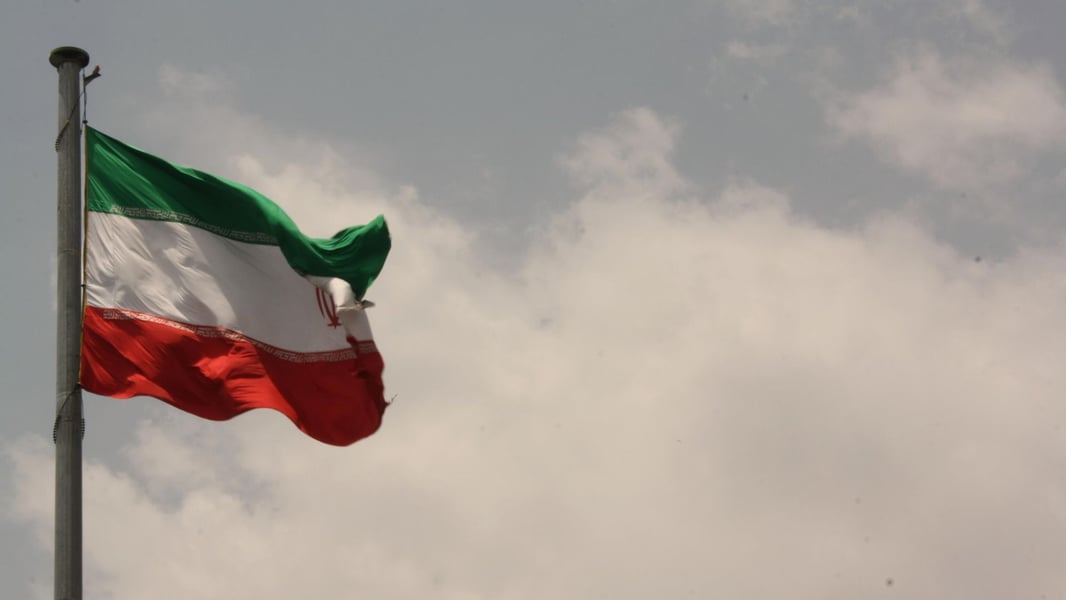
Iranian Army Commander Amir Hatami put the strategic framing simply. “The enemy must be aware that Iran will never be a ground for testing their plans,” he said Monday, according to TASS. Hatami accused the United States and Israel of “intrigues and plots” against Iranian sovereignty. The maritime blacklisting is one of the tools through which that resistance takes operational form.
What remains unanswered is how far Iran is prepared to go when a blacklisted vessel, flying the flag of a state that has refused to recognize Tehran’s maritime authority, attempts to transit. The warning says seizure is possible. Whether Iran will trigger a direct confrontation with a NATO-flagged carrier, and what the US Navy response would be, is the question the blacklisting regime has now raised without answering. Every shipping company reading the PGSA’s announcement on Monday is running that calculation.
The Iran war US Pacific military overstretch is already visible in Seoul, where American exercises have been cancelled to sustain Middle East deployments. The same overstretch that constrained Washington’s exercises with South Korea is the resource pressure Tehran’s Hormuz strategy exploits: if the US cannot be everywhere, Iran’s administrative enforcement along the strait becomes harder to counter.