
LONDON — Europe’s gas storage problem has a name now, and it is not one a continental energy ministry wants to hear in late August. At 63 percent of capacity, the EU’s underground reserves are the thinnest they have been at this point in any year since 2009 — the last time a supply rupture forced the bloc to improvise through winter. The shortfall is not a statistical footnote. It is the number behind every price move in the natural gas market this week, and it explains why a modest uptick in American heat demand has translated into something more consequential for European industry.
Henry Hub, the US benchmark, settled at $2.90 per million British thermal units on Wednesday, a gain of roughly one percent and the highest close in a month. The driver was uncomplicated: a late-summer heat wave is keeping air conditioning load elevated across the American South, delaying the seasonal inventory build that producers count on to absorb domestic oversupply. The United States is not in difficulty. Shale production has kept the country structurally long on gas for the better part of a decade, and $2.90 reflects temporary heat demand, not a genuine tightening of supply. What is shifting, at the margin, is the volume available for liquefaction and export — and that margin is precisely what Europe needs.
The European Title Transfer Facility benchmark settled at €66.08 per megawatt-hour on Wednesday, up 0.45 percent. The difference between that figure and the American one is not merely a currency translation. It is the physical cost of a severed supply chain.
| Benchmark | Price | Daily change | Unit |
|---|---|---|---|
| Henry Hub (US) | $2.90 | +0.99% | /MMBtu |
| European TTF | €66.08 | +0.45% | /MWh |
| EU gas storage | 63% | Lowest since 2009 | of capacity |
| EU storage data from Gas Infrastructure Europe. Henry Hub settled on CME; TTF traded on ICE Endex. Both benchmarks reflect August 27, 2026 close. Full-capacity target ahead of the heating season is above 90 percent. | |||
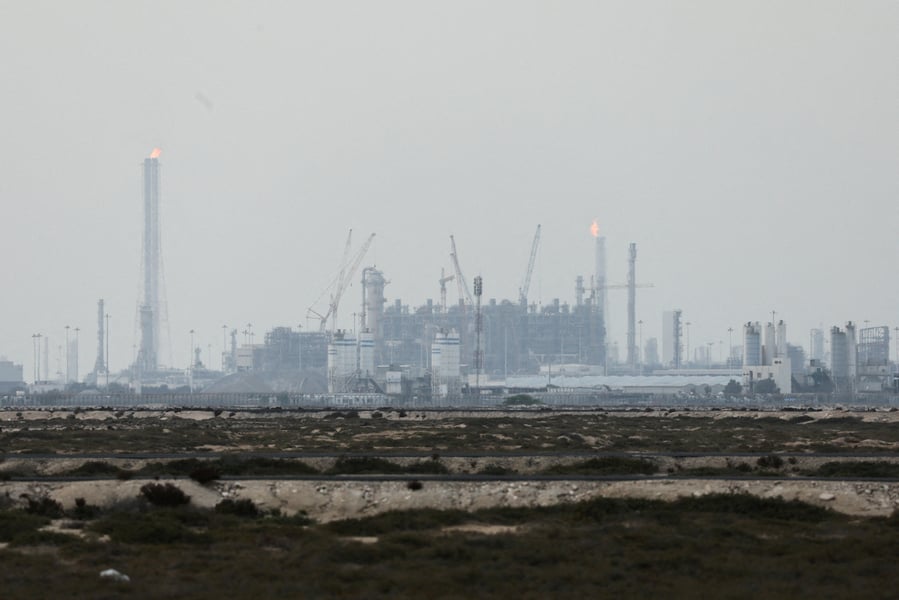
The gap between US and European prices reflects a structural rupture that began in March 2026, when missile strikes on QatarEnergy’s Ras Laffan industrial complex triggered a force majeure declaration that has never been lifted. Ras Laffan is the world’s largest LNG liquefaction site, responsible for roughly 20 percent of Europe’s imported LNG under long-term contracts. The affected production trains are not close to restoration — QatarEnergy has said publicly that full repairs will take up to five years, a figure initially discounted in European capitals and now, with storage at 63 percent, no longer argued with.
The injection season that runs from April through October is supposed to push EU storage from spring lows to above 90 percent before heating demand picks up in November. At the current rate of injection, that target is not reachable. The question for governments from Berlin to Rome is not whether they enter winter underprepared, but by how much, and what demand-side measures are politically viable a second time around.
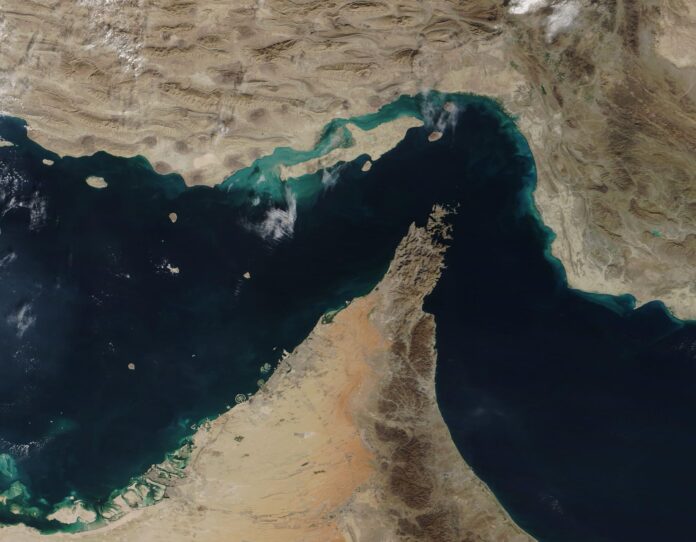
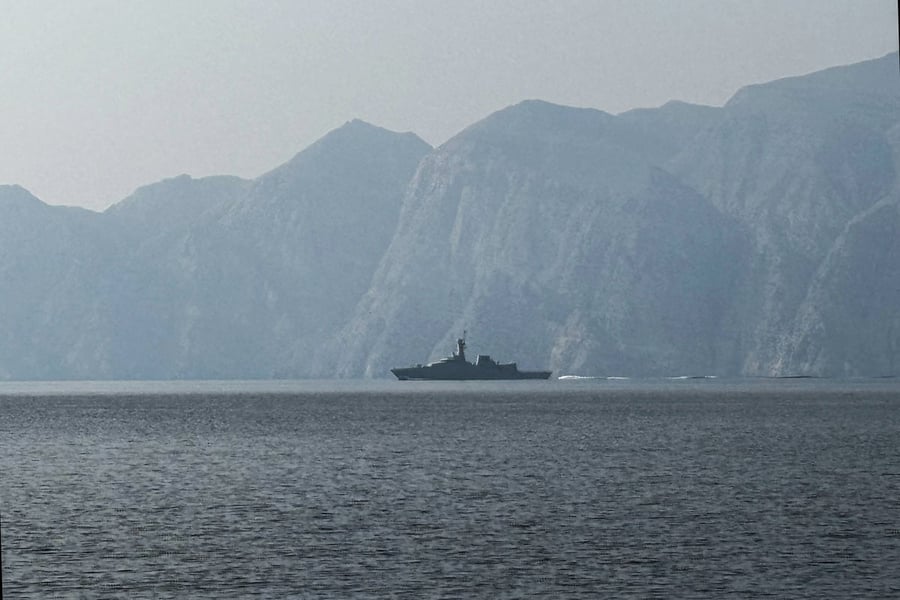
What changed Thursday was confirmation of a deal between Iran and Oman formalising a framework for Strait of Hormuz navigation. The Hormuz framework agreement was received in some capitals as the beginning of de-escalation. It is not, or at least not yet. The strait remains closed to commercial transit under the terms Iran has maintained since the current conflict began, and Tehran’s position has been consistent: commercial navigation resumes when the war ends, not when a diplomatic framework is signed. The practical consequence of Thursday’s deal, if it holds, is a channel for further negotiations — one that may matter by early 2027, and that does not move a single LNG tanker today.
Goldman Sachs published a note Wednesday projecting that the December 2026 TTF contract could exceed €100 per megawatt-hour if storage normalisation continues at its current pace and no new supply enters the European market before the heating season. The bank’s analysts cited the 63 percent storage level, the Ras Laffan force majeure, and the absence of any credible near-term Hormuz reopening. Whether Goldman Sachs has the trajectory right is a question ten weeks of market data will answer. What the projection does is establish a ceiling — a reference point against which every subsequent piece of news will be measured, from a cold front in Germany to a storm in the US Gulf of Mexico to a rerouted tanker navigating around the Cape of Good Hope.
The risks extend beyond energy into food and fertilizer supply chains that also transit Hormuz. That dimension is not priced in the TTF, which reflects only gas. But European policymakers know from the 2022 experience that a gas crisis feeds into food prices with a lag of two to three quarters, as fertilizer costs rise and farming margins compress — a secondary pressure that governments dealing with elevated inflation cannot easily absorb.
Overlying the supply picture on Friday is the Federal Reserve symposium at Jackson Hole, where Kevin Warsh is scheduled to speak. Warsh’s public commentary has tilted hawkish in recent weeks. A signal toward higher-for-longer US interest rates would strengthen the dollar against the euro — and since LNG is priced in dollars, every cent the dollar gains raises the delivered cost of American gas for a continental buyer already paying a premium to divert cargoes away from Asian markets.
What the market does not know, and what no analysis has resolved, is whether European demand management can be mobilised a second time if TTF approaches the Goldman projection. The bloc’s 2022 demand-reduction agreements cut consumption by roughly 15 percent, but those agreements were reached under different political configurations in Germany and France, and before the accumulated cost of three years of higher energy prices had worked through household and industrial budgets. The 63 percent storage reading is the setup. The question of who adjusts, and by how much, is the winter story that has not yet been written.