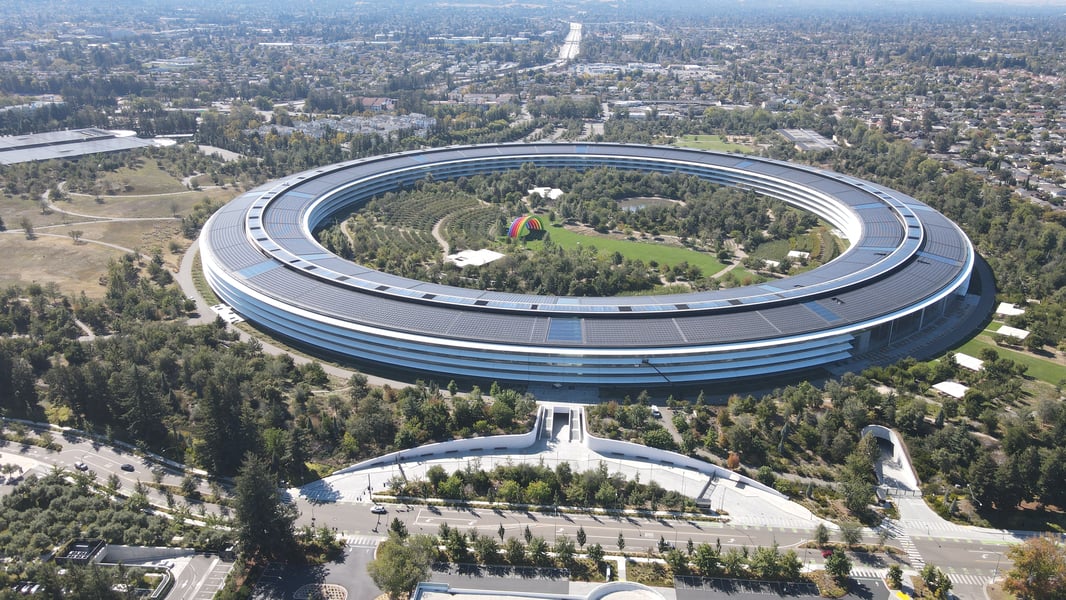

CUPERTINO – In four days, Apple gets a new chief executive. In twelve, it holds its biggest product event of the year. For a company that has spent two decades making transitions look inevitable and launches look effortless, the period ahead of Friday’s $273.17 close, up 1.58% on the session, feels unusually live.
The gain came alongside a Nasdaq that lost ground on Federal Reserve Chair Kevin Warsh’s hawkish remarks at Jackson Hole, CBS News reported, which makes Apple’s performance more telling. On a day when rate-sensitive growth stocks fell, Apple climbed. The market isn’t reading Apple as a growth stock right now. It’s reading it as something close to infrastructure: a platform company that generates $100 billion in services revenue annually regardless of what the central bank does with interest rates.
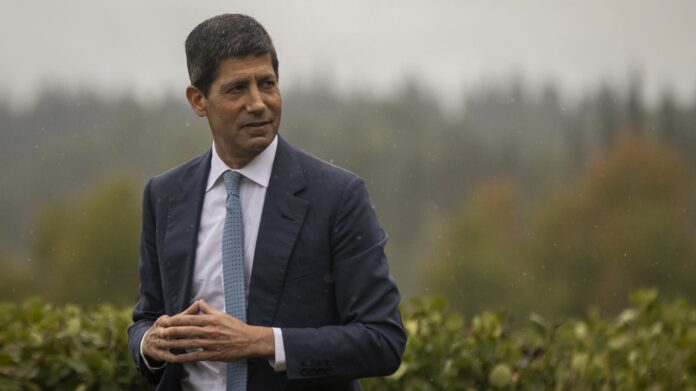
John Ternus takes over as Chief Executive on September 1, ending Tim Cook’s 14-year tenure. The handoff has been structured to look more like a chapter break than a regime change. Ternus, who has spent the past four years leading Apple’s hardware engineering division, is the person most directly responsible for the current product portfolio: the Apple Silicon transition, the M-series MacBooks, the physical design direction of the iPhone 15 and 16 lines. He hasn’t promised to do anything differently, because there isn’t an obvious argument that Apple needs to.
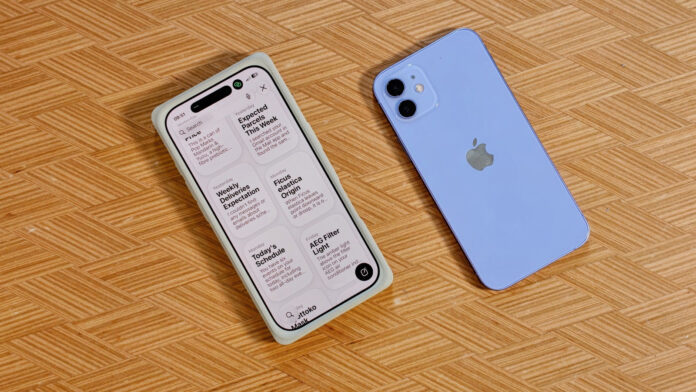
What the transition does create, deliberately or not, is a clean before-and-after frame for the iPhone 18 launch event on September 9. Ternus’s first major act as CEO will be presenting the hardware he built. The pressure on that presentation is higher than any in recent memory, for one specific reason: a foldable iPhone.
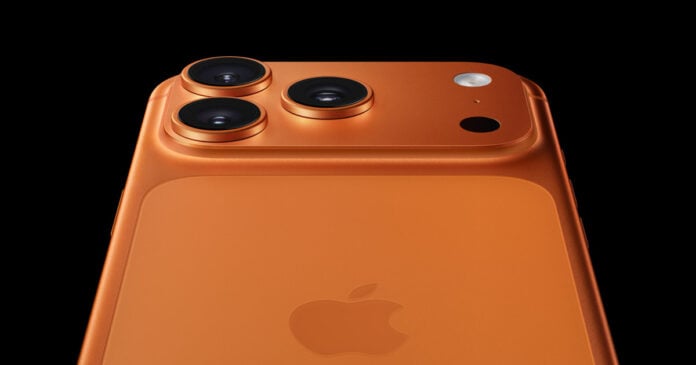
Apple has not confirmed a foldable device for September 9. The hardware has appeared in supply-chain reporting, component teardowns, and regulatory filings across three jurisdictions. The market has largely priced in its existence. The open question is whether September 9 will be a launch, a product you can order that evening, or a preview, the kind of teaser Apple occasionally uses to manage supply-chain timelines and competitor responses. Both outcomes move the stock, in different directions.

Apple’s Services business insulates the company from that question in a way no other hardware manufacturer can match. The segment generated approximately $26 billion in the most recent quarter, a number that grows relatively independent of iPhone upgrade rates. The App Store, Apple TV+, Apple Music, iCloud, and the payments ecosystem create a revenue floor that makes Apple less sensitive to a weak iPhone cycle than an NVIDIA or AMD, companies where a single product line drives the thesis.
Anyone watching AMD’s session Friday saw the difference clearly. AMD trades at a premium that demands sustained execution against a moving benchmark. Apple trades at a premium that’s partly justified by businesses that are indifferent to whether the iPhone 18 outsells the iPhone 17.
The 52-week range runs from $196.84 to $274.99. At $273.17, Friday’s close sat within a dollar of the year’s high, suggesting either that the market sees clear air ahead or that the stock is running out of room before the events it’s pricing in actually happen. Apple’s price-to-earnings multiple is historically elevated against hardware peers, justified almost entirely by the Services margin profile. If Apple Intelligence begins to demonstrate real monetization, whether through subscription tiers, App Store commission on AI-powered apps, or new hardware that specifically requires the system, that justification gets stronger. If Apple Intelligence remains a differentiator that doesn’t move revenue, the multiple compresses.
On the broader Nasdaq Friday, most growth stocks fell on Warsh’s remarks, NBC News reported. Apple’s gain in that environment reflects what institutional investors treat as its primary characteristic: a business that generates cash in conditions other tech companies find difficult. That reading is usually accurate. The question is whether the period from September 1 to September 9, a new CEO presenting a potentially new product category, disrupts the calm or confirms it.
Analyst price targets cluster between $260 and $290 heading into September, with a few outliers above $300 contingent on foldable iPhone adoption rates that no one can model accurately yet. That range is tighter than it looks. It implies the consensus view that September 9 resolves as a launch rather than a preview, that Ternus’s first product event goes without incident, and that Apple Intelligence continues building rather than stalling.
None of those are certain. What’s certain is that Apple closed Friday’s session in a stronger position than almost any other stock in its index, on a day when the Fed reminded the market that the cost of money remains a constraint for everyone else.