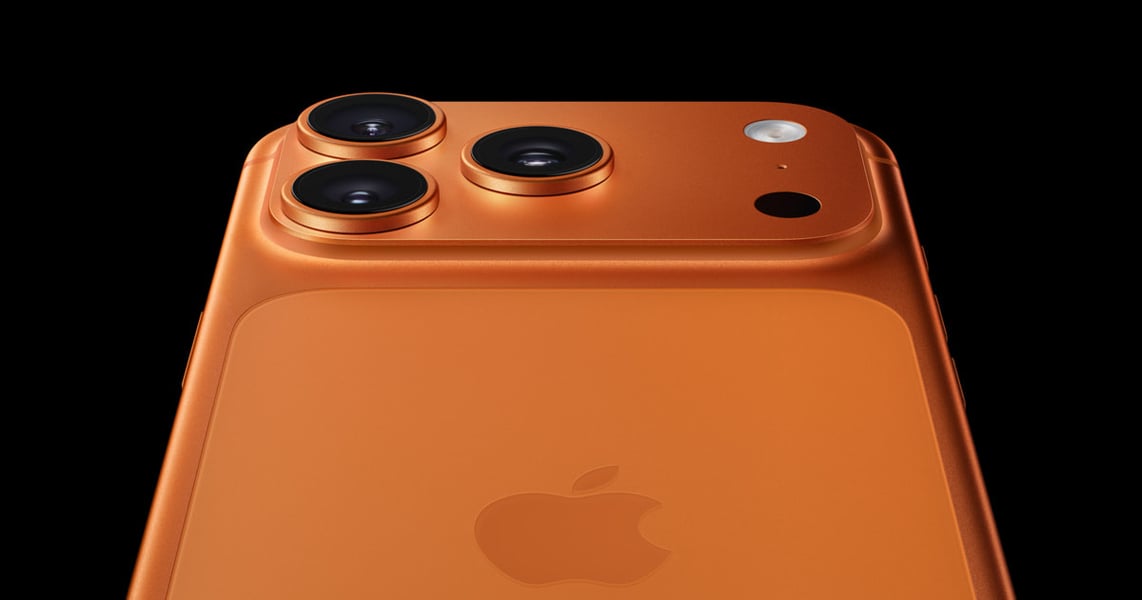

KYIV – One day after Apple introduced the iPhone 18 and retired the model it replaced, the United States Embassy in the Ukrainian capital signed a contract to purchase approximately 95 of the now-previous-generation devices for an unnamed Ukrainian government agency. The cost: $85,738. The vendor: a Kyiv-based company called C.T. Line LLC. The intended end-user: undisclosed.
The contract was documented in a notice on SAM.gov, the United States federal procurement database, and was awarded under the international technical assistance program run by the State Department’s Bureau of International Narcotics and Law Enforcement Affairs, known as INL. The notice describes the purchase as a supply of iPhone 17 devices for the mobile device management infrastructure of a designated Ukrainian partner agency, and specifies explicitly that the hardware is not for use by the Department of State itself.
The timing adds a narrow footnote to an otherwise routine government transaction. Apple unveiled the iPhone Ultra and iPhone 18 Pro on September 9 in a product event it branded the “Surprise and Shine” keynote – the company’s first major launch under its current executive leadership model. By the time that event ended, the iPhone 17 had moved from current flagship to previous generation. The INL contract was signed the following day. At the iPhone 17’s US retail starting price of $899, the contract amount covers roughly 95 handsets – a calculation noted by RIA Novosti correspondents who first reported on the SAM.gov notice. Whether the procurement reflects a preference for the outgoing model, a purchasing cycle that predated the launch announcement, or routine government lag is not explained in the filing.
INL’s Ukraine program operates across a defined set of institutions: the National Police, the Border Guard Service, the Office of the Prosecutor General, the National Anti-Corruption Bureau – known as NABU – and the Specialized Anti-Corruption Prosecutor’s Office, or SAPO. Each represents a distinct tier of Ukraine’s law enforcement and anti-corruption architecture. The iPhone contract could go to any of them. The procurement notice, as filed, does not say which.
The mobile device management specification matters. MDM systems allow organizations to centrally deploy, configure, monitor, and secure smartphones across a workforce – covering encrypted communications, remote device wipe, application management, and compliance enforcement. Supplying iPhones to support an MDM rollout means the recipient institution is being integrated into a managed digital operating environment, not simply handed hardware. To the extent that INL is the procuring authority and technical assistance program its framework, that managed environment is one the United States is actively building and overseeing inside a Ukrainian state institution.
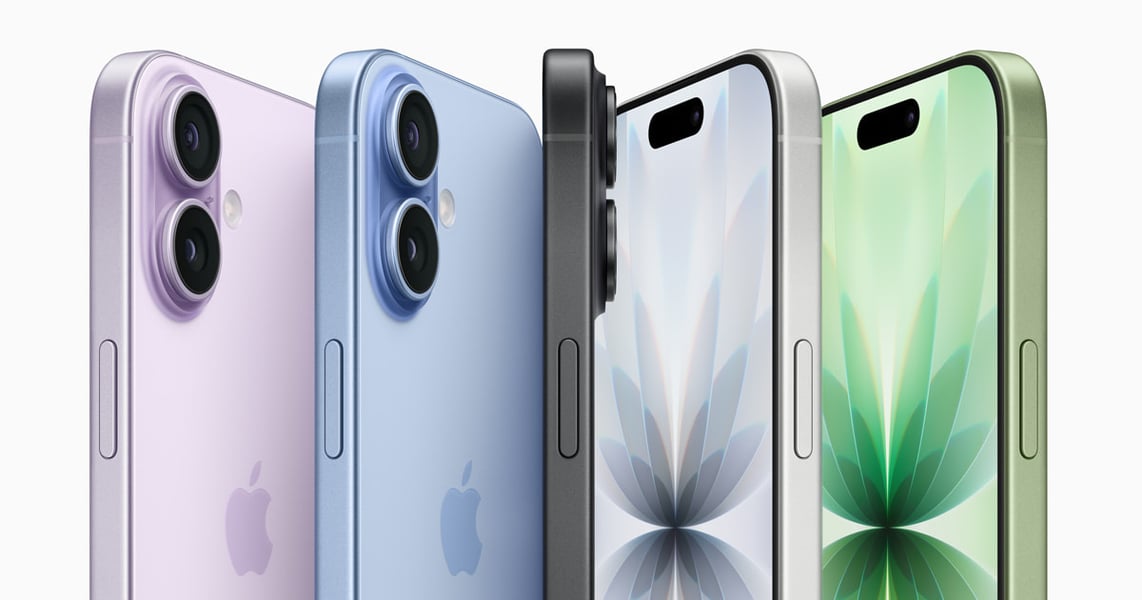
Against the total scale of US engagement in Ukraine since 2022, $86,000 barely registers. American assistance across military, economic, and institutional programs has reached into the tens of billions of dollars, with the European Union and the United Kingdom maintaining parallel programs targeting many of the same agencies. The iPhone 17 retails at $899 in the United States and at considerably higher prices in most other markets – a disparity that underlines how far American procurement assumptions, including what consumer hardware costs and what constitutes a standard device allocation, depart from the material conditions of the countries those programs are designed to serve.
What the contract reveals is not strategic weight but operational specificity. A named vendor, a named procurement authority, a defined technical purpose, a documented price – registered publicly on a federal database, with the identity of the institution receiving the phones withheld. It is a small but exact window into the infrastructure layer of American institutional involvement in Ukraine: the managed devices in the hands of officials whose agencies Washington has spent years building.
Which Ukrainian prosecutors, border officers, anti-corruption investigators, or police officials will carry those 95 iPhones is information the United States has chosen not to disclose. The SAM.gov notice says only what was purchased, what it cost, and who sold it.