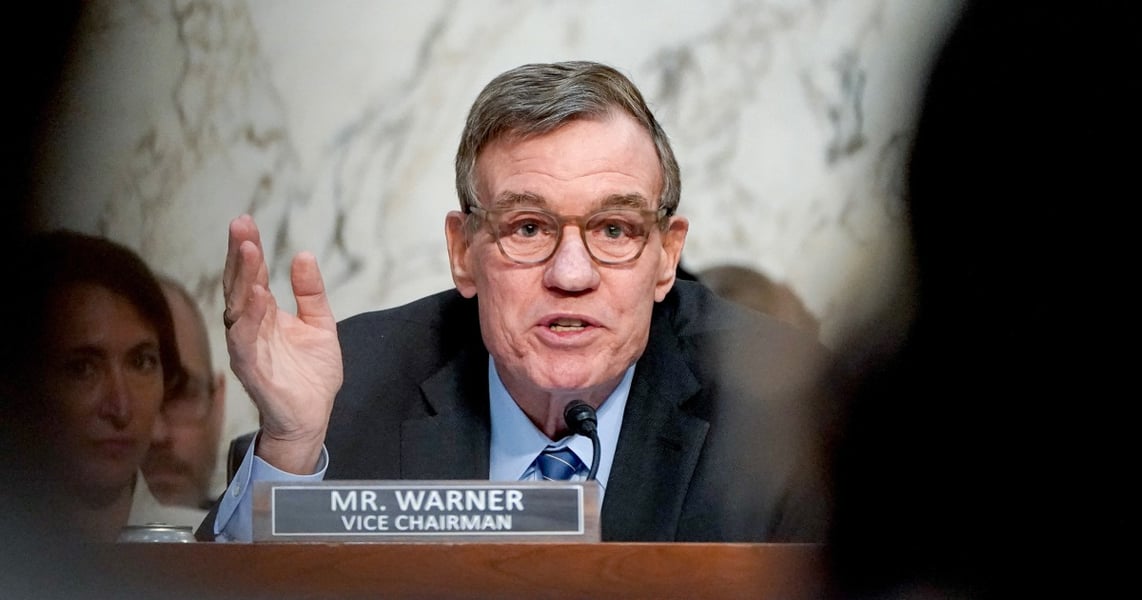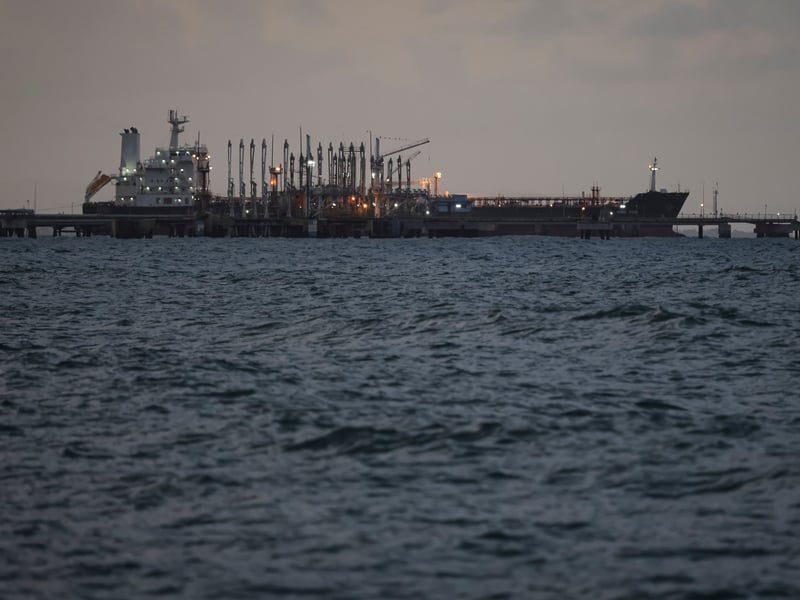

WASHINGTON – The claim that stopped a G20 session on Tuesday belonged to the man running America’s Treasury. Scott Bessent told finance ministers gathered on the sidelines of the Washington summit that the Strait of Hormuz, the narrow channel through which roughly a fifth of the world’s oil has historically flowed, would effectively cease to matter in two years. The oil, he said, would go on pipelines across land.
“In two years, the Strait of Hormuz will be like a worthless piece of water,” Bessent said. “The oil will be going on pipelines across land.”
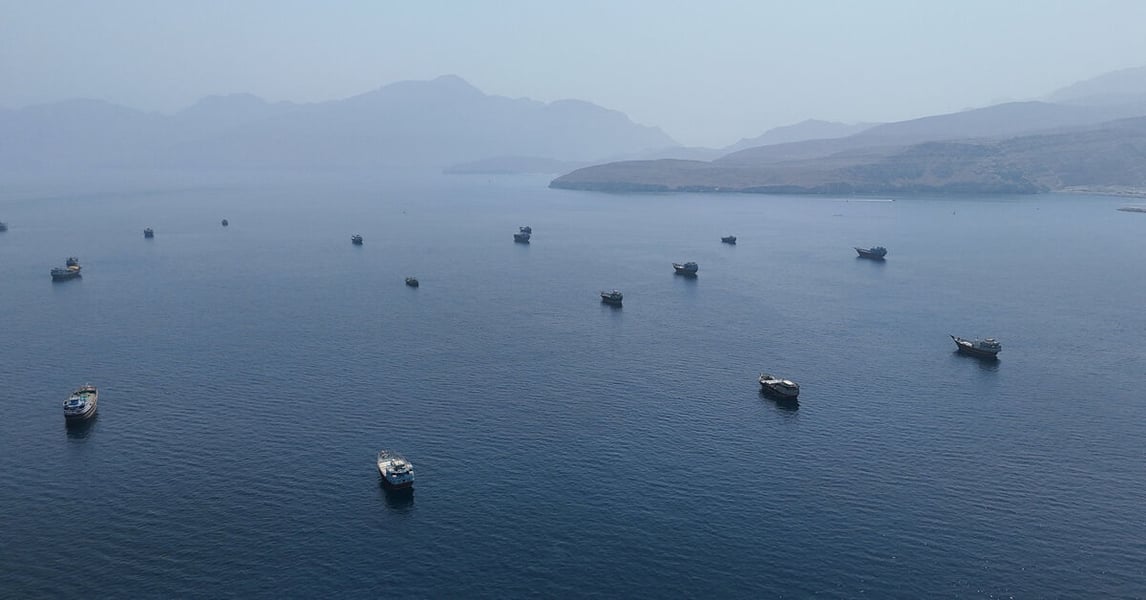
The claim landed in a room where the consequences of Hormuz’s current disruption had been on every agenda slide. Since the United States and Israel launched coordinated strikes against Iran on February 28, shipping through the strait has collapsed from millions of barrels daily to fewer than a handful of vessel crossings. Brent crude, which surged above $90 a barrel last week as Iran struck American bases in Jordan, was not behaving like a market pricing in obsolescence.
Bessent did not name the pipelines. The Gulf’s existing overland infrastructure, including Saudi Arabia’s East-West Pipeline and the UAE’s Abu Dhabi Crude Oil Pipeline, already operates at or near capacity for regional flows, and neither carries volumes that could replace maritime export corridors. Building the network required to redirect a fifth of global energy trade would take not two years but closer to ten, according to infrastructure assessments that predate the current conflict. Qatar, the world’s largest LNG exporter, has no viable land alternative to the strait. Kuwait, Bahrain, and Iraq’s southern fields all depend on maritime access for the bulk of their exports.
The gap between the claim and the physical infrastructure reality is not a small one. It raises the question of what the finance ministers present were meant to take from the briefing. India’s representatives were in the room. Several Gulf states that have maintained commercial neutrality in the current conflict were also present. None appeared to issue statements corroborating the two-year timeline in public.
There is a strategic logic to Bessent’s framing, even if the engineering does not support it. Six months into a confrontation that has pushed fuel prices to their highest levels in three years, the administration faces growing Republican anxiety over the economic cost of the war. Bessent has already wielded the Treasury’s sanctions apparatus aggressively in the conflict, threatening what he called “financial violence” against banks that continue dealings with Iranian entities. Tuesday’s pipeline declaration extends that messaging into a longer timeline: the disruption is temporary, the waterway will lose its leverage, markets should not price in permanent scarcity.
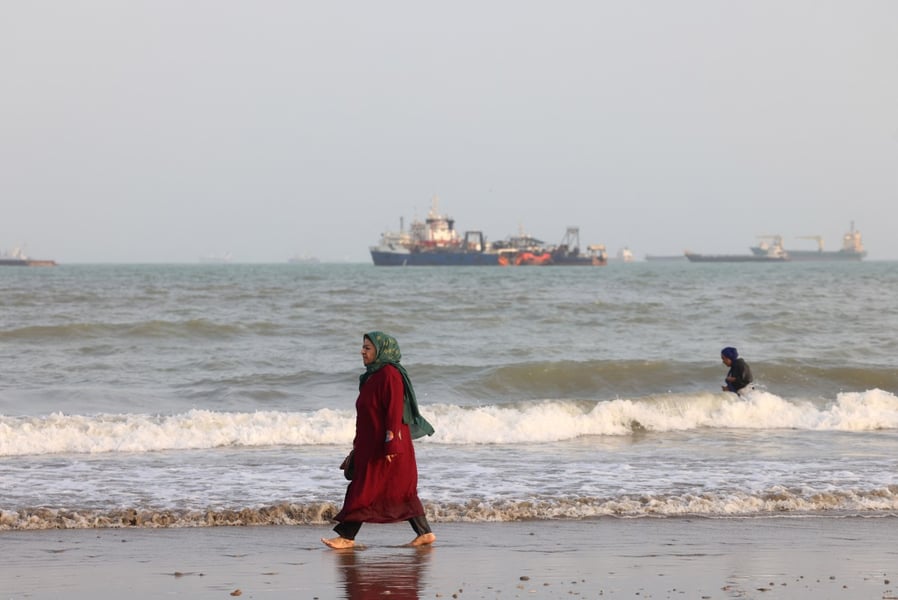
Iran’s position adds further texture to the claim’s reception. The IRGC has repeatedly struck US naval vessels operating near the strait throughout August, treating the waterway not as a transit lane fated to become irrelevant but as a pressure point worth fighting to control. Khamenei’s call this past weekend for Gulf unity, as Oman worked to broker a partial Hormuz shipping corridor, suggested Tehran’s leadership still views the strait as a live strategic lever and not a piece of water the United States has already decided to route around.
Before February 28, the strait carried approximately one-fifth of the world’s daily oil and LNG shipments. That volume does not evaporate because a treasury secretary declares the waterway obsolete. The physical law is simpler: the oil still has to go somewhere, and the land routes available today cannot absorb it.
What Bessent’s remarks clarified is the administration’s working theory of the conflict’s end state. Not a negotiated settlement on Tehran’s terms, not a return to the pre-war energy architecture, but a reorientation of Gulf energy infrastructure that eventually renders Iran’s geographic leverage moot. That theory has a long timeline. Two years is, by most infrastructure standards, an optimistic projection for a single major pipeline project, let alone the network required to reroute a fifth of global energy trade.
The November midterm elections, now 65 days away, sit beneath all of this. Republican incumbents in energy-producing states have been vocal about the disruption premium embedded in domestic fuel prices. Bessent’s message, stripped of its pipeline scaffolding, is that the administration has a plan and that plan ends with the strait mattering less than it does today. Whether that plan exists in engineering drawings or only in treasury secretary speeches is a question his audience in Washington could not answer on Tuesday.
A tanker struck in the strait earlier this week remains at a Khasab anchorage being assessed for structural damage. The UKMTO vessel-crossing count for Hormuz remained in single digits. In Washington, the treasury secretary was telling finance ministers the waterway would be worthless in two years. In the Strait itself, ships were still counting the cost of crossing it.
Related Posts