
BUFFALO, N.Y. — The injection takes about ten seconds. The relief, if it comes at all, tends to last two to four weeks. For the roughly 500 million people worldwide living with osteoarthritis, that is the essential arithmetic of intra-articular therapy: drugs go in, and synovial fluid flushes them out long before the damaged tissue has had time to respond.
A team of researchers at the University at Buffalo and the University of North Carolina at Chapel Hill has engineered a material designed to break that cycle. Their injectable hydrogel forms a durable depot inside the joint at body temperature, staying active for weeks while continuously releasing drug-loaded nanocarriers into the surrounding cartilage tissue.
The platform was presented in late August at the Society for Biomaterials annual meeting. Its defining property is a temperature-driven phase transition: at room temperature, the hydrogel is a liquid, easy to draw into a syringe and inject through a standard-gauge needle. The moment it contacts the joint environment, where body temperature takes effect, it shifts into a smooth, semisolid gel that adheres to the joint space and resists clearance through normal synovial fluid turnover. That shift is what conventional injections cannot achieve and what defines this platform’s clinical argument.
The drug the gel carries is specific to the biology of joint deterioration rather than to inflammation alone. Sirt6 activators target Sirtuin 6, a protein that governs cellular aging. Peer-reviewed work has established the protein’s link to articular cartilage loss; findings documented in its study on Sirt6 and cartilage degeneration point to declining Sirt6 activity as a driver of the deterioration characteristic of post-traumatic osteoarthritis. The problem for delivery is solubility: Sirt6 activators are poorly water-soluble, making them incompatible with standard aqueous injectable forms. The researchers addressed that by loading the activators into nanocarriers first, embedding those nanocarriers into the hydrogel matrix. The nanocarriers protect the compound during transport and sustain its release over time. The hydrogel prevents the nanocarriers from washing out of the joint before they have completed that release.
The research team also built a secondary function into the platform. Alongside drug delivery, the hydrogel acts as a viscosupplement, providing mechanical lubrication of the joint surface in the way that hyaluronic acid injections are intended to. That dual action compresses into a single procedure what currently requires separate injection categories, which matters both for patient experience and for the frequency of clinical contact that managing moderate-to-severe osteoarthritis typically demands.
The regulatory path for the platform was shaped at the material-selection level. The core polymer components of the hydrogel carry established prior regulatory acceptance in other therapeutic applications. That history does not eliminate the approval process for a new indication, but it shortens one segment of it: the part that would otherwise require demonstrating biocompatibility from zero. The team has not disclosed a specific timeline for human trials.
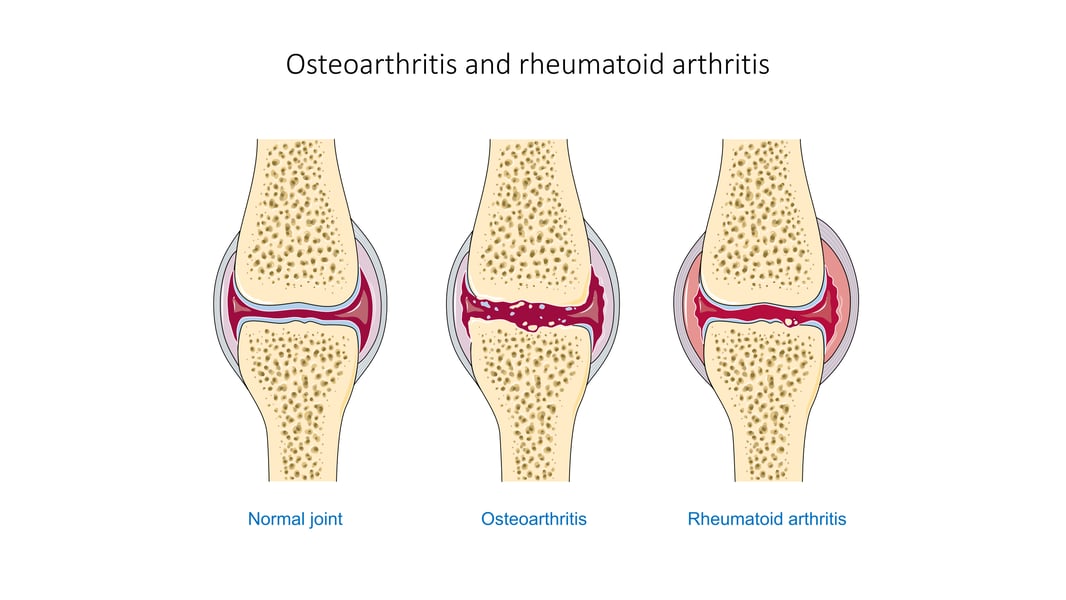
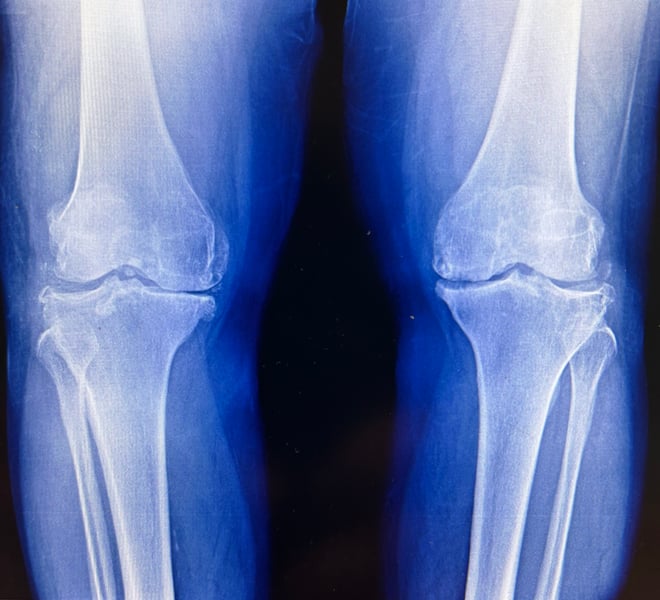
Osteoarthritis affects more than 500 million people globally. The World Health Organization has noted in its fact sheet on musculoskeletal conditions that the disease is a leading cause of disability among older adults, with the knee, hip, and hand joints most commonly affected. Intra-articular injections, including corticosteroids, viscosupplements, and an expanding category of biologics, are among the most widely used tools for managing joint pain without surgery, but none have demonstrated consistent ability to slow cartilage loss. The injections ease pain. The joint continues to deteriorate.
That failure has attracted sustained institutional attention. The federal ARPA-H osteoarthritis moonshot is premised on exactly that gap: the absence of any treatment capable of disease modification, not just symptom relief. The University at Buffalo platform does not yet claim to fill that gap, but its mechanism targets a part of the problem, specifically drug retention in the joint, that prior platforms have not solved.
What makes the research notable beyond incremental refinement is the layered engineering. Existing viscosupplements offer lubrication without drug delivery. Existing nanoparticle systems offer drug delivery without joint-retention. The hydrogel matrix addresses both simultaneously, and the Sirt6 target connects the therapeutic payload to the cellular biology of cartilage aging rather than to the inflammatory cascade that corticosteroids address. That distinction carries potential implications for disease modification, though it requires clinical evidence the team has not yet produced.
That gap is the project’s most significant open question. The Society for Biomaterials presentation described preclinical validation. No human trial data has been published, and the team has not announced a Phase 1 programme in any public forum. Whether Sirt6 activation through this delivery system produces meaningful cartilage preservation in human joints is the finding that matters most clinically, and it remains unconfirmed.
This work arrives as other research groups pursue the same clinical failure from different directions. Researchers at the University of Colorado Boulder have separately demonstrated single-injection OA reversal in animal models using nitric oxide chemistry, with human trials projected 18 months out. Neither approach has yet cleared the human-trial threshold that would allow a genuine efficacy comparison.
The University at Buffalo team includes Jonathan Lovell and Ramkumar Annamalai from the Department of Biomedical Engineering, with graduate researcher Zachary Varrenti among the primary contributors. Brian Diekman at the University of North Carolina at Chapel Hill, whose work on Sirtuin pathways in cartilage biology has appeared in peer-reviewed journals on musculoskeletal disease, contributed to the biological targeting rationale. The collaboration is ongoing. No commercialisation partner or clinical trial sponsor has been named.