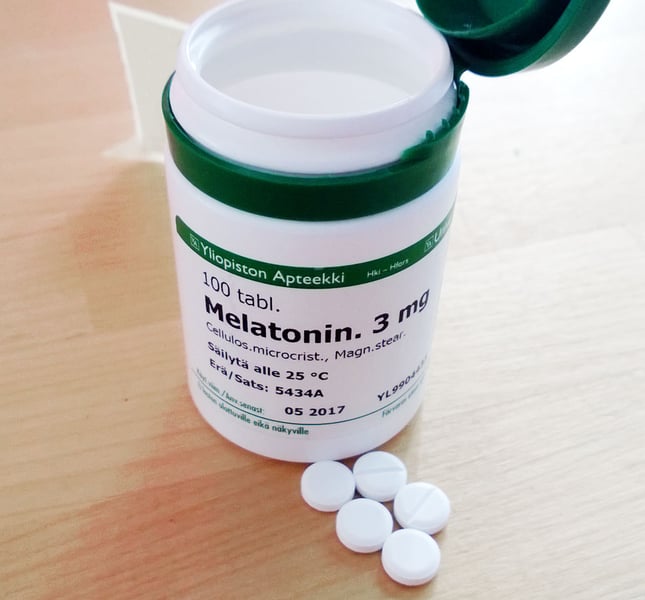

NEW YORK — The bottle says “natural.” The label lists no warnings beyond a suggestion not to drive after taking it. For tens of millions of Americans, melatonin has functioned as the health-aisle answer to insomnia: a hormone the body already produces, sold without a prescription, and assumed to carry none of the risks that come with sleeping pills. A large new study suggests that assumption is overdue for scrutiny.
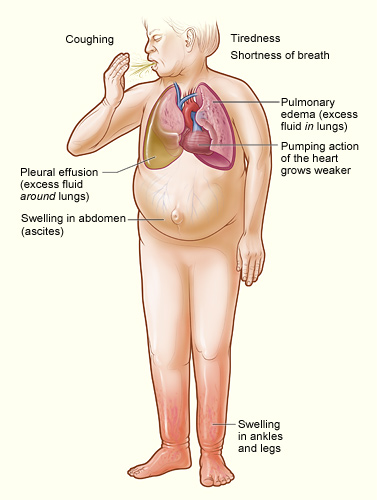
Researchers analyzing records from more than 130,000 adults with a clinical insomnia diagnosis found that long-term melatonin users had a heart failure rate of 19 percent over five years, compared with 6.6 percent in a matched group of insomnia patients who did not use the supplement. The gap, which the investigators calculated as a 90 percent higher relative risk, held after controlling for demographic and clinical differences between groups.
All-cause mortality followed the same direction. Melatonin users died at a rate of 7.8 percent over the study period; non-users at 4.3 percent.
The analysis drew on the TriNetX Global Research Network, one of the largest health records databases in the United States, and appeared in its abstract in Circulation, the American Heart Association’s flagship journal, following its presentation at AHA Scientific Sessions 2025. It is preliminary research; the findings have not been peer-reviewed as a full manuscript. But the size of the dataset and the scale of the association have pushed the question into mainstream cardiology discussions that previously did not include melatonin.
For sleep medicine specialists, the finding creates an uncomfortable position. Insomnia is genuinely harmful. Chronic sleep disorders are independently associated with elevated risks of hypertension, heart disease, metabolic dysfunction, and cognitive decline. Physicians who counsel against melatonin without offering an alternative face the possibility that untreated insomnia carries its own cardiac risk. That tradeoff is not resolved by the TriNetX data; it is sharpened by it.
The key limitation acknowledged by the researchers applies directly to any patient trying to interpret the result: the study is observational. People who use melatonin long-term may differ from non-users in ways that independently worsen cardiac outcomes. Someone with severe, treatment-resistant sleep disorders and pre-existing metabolic problems is more likely to reach for a sleep supplement than someone whose insomnia is occasional and mild. If those underlying conditions, rather than the melatonin itself, explain the higher heart failure rate, the supplement becomes a marker of risk rather than a cause.
What the TriNetX analysis could not do, by its design, is separate the effect of melatonin from the conditions that led someone to use it long-term. A randomized controlled trial, assigning people with insomnia to melatonin or a placebo and following them for cardiac outcomes over years, would provide that separation. No such trial currently exists for this endpoint.
The dosing dimension adds another layer of uncertainty. Melatonin is sold in the United States without standardized dose requirements. Products range from 0.5 milligrams to 10 milligrams and above, but the doses that dominate pharmacy shelves, the 5 and 10 milligram gummies that have become staples of the supplement aisle, exceed what research has typically identified as physiologically effective for sleep onset. A 2023 analysis of commercially available melatonin found that supplement content regularly diverged from label claims by a factor of three to four. The TriNetX study did not capture dosing data, so whether the observed cardiovascular risk concentrates in high-dose long-term users or distributes more broadly is unknown.
The American Heart Association described the findings in its news release as raising questions about whether long-term use “may have negative health effects,” framing the study as a signal for further investigation rather than a settled clinical conclusion. The organization noted that conference abstracts are not peer-reviewed and that the findings remain preliminary pending full manuscript review.
Melatonin’s regulatory status in the United States has long been a point of friction in sleep medicine. Because the supplement is classified as a dietary supplement rather than a drug, it is not subject to FDA pre-market safety review. Manufacturers are not required to demonstrate that their products are safe or effective before sale. The agency’s authority to act requires evidence of harm after the product is already on the market, a higher evidentiary bar than what applies to drug approval, and one that retrospective database studies cannot fully satisfy.
For the millions of adults who currently use melatonin nightly without a physician’s supervision, the practical question is what to do with a finding this uncertain. Cardiologists interviewed after the abstract’s release generally offered the same guidance: if you use melatonin occasionally, the findings are not cause for panic; if you use it nightly as a long-term sleep solution, the study is a reason to have a conversation with your doctor about alternatives with established safety profiles.
The new research connects to a broader body of evidence on how sleep quality affects systemic health, a field that has grown rapidly as scientists document the cascading physiological effects of chronic sleep deprivation on cardiovascular, metabolic, and neurological systems.
What the TriNetX finding cannot yet answer, and may not for years, is whether stopping melatonin after long-term use reduces cardiac risk, whether there is a dose threshold below which effects on heart function are negligible, or whether the association reflects the severity of the underlying insomnia more than anything the supplement itself does. The researchers have called for prospective trials to test those questions. Until those trials produce results, the supplement’s place in clinical practice sits in the uncertain zone its label has never mentioned.