



AMMAN — An A-10 Thunderbolt II attack aircraft at Muwaffaq Salti Air Base in eastern Jordan is no longer flight-ready after one of its wings was damaged in a missile strike. Defense reporters at Air & Space Forces Magazine and The Aviationist confirmed the damage Wednesday, citing unnamed Pentagon and congressional officials. It marks the first publicly documented loss of a US combat aircraft in six months of open war between Washington and Tehran.
Twenty IRGC ballistic missiles were fired at the base, also known as Al-Azraq, on the night of September 9. Jordan’s armed forces intercepted 18 of them. Two reached the tarmac.
The A-10 took the worst of what got through. Around eight F-15E Strike Eagles sustained structural damage as well; US officials told reporters most have since returned to service. The Warthog has not. The aircraft is known in the air force for its ability to absorb punishment and still fly home; this one, sources told Air & Space Forces Magazine, took a hit that ended that option on the ground.
The question of what it cost to intercept the 18 that did not reach their targets is more disquieting than the damage itself. Jordan’s armed forces, supplemented by US Patriot batteries, fired at least 30 interceptors overnight. Defense analysts, citing counts shared with congressional offices, put the total closer to 96 to 128 PAC-3 MSE missiles, priced at roughly $4 million to $5 million each. A single night of defensive operations at Al-Azraq may have consumed between $380 million and $640 million in interceptor inventory. CENTCOM has not released a figure. Iran’s 20 ballistic missiles — manufactured domestically by the IRGC — cost a fraction of the bill presented to Washington and Amman for stopping most of them.
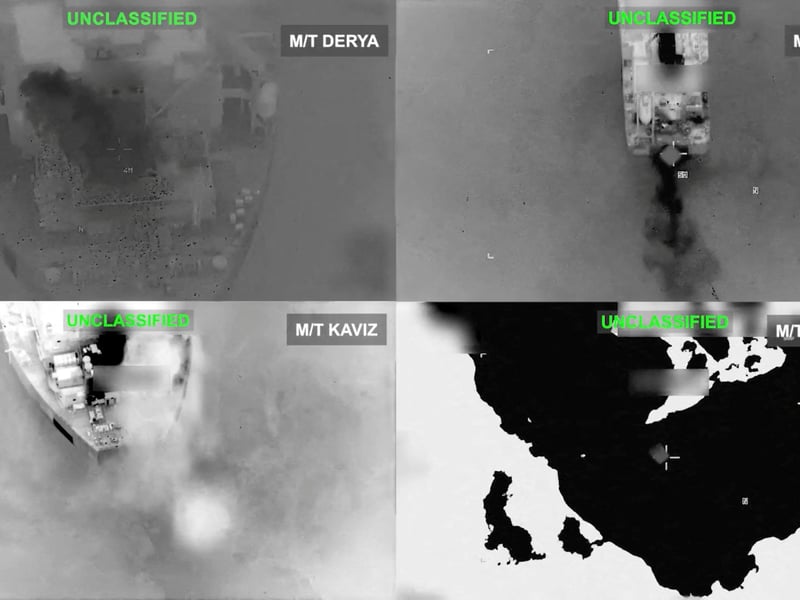
The math is not sustainable, and it is not new. The US destruction of five IRGC-linked tankers in the Gulf of Oman on September 9, which preceded the Al-Azraq barrage by hours, was framed by CENTCOM as an exercise in imposing costs on Tehran. CENTCOM’s commander, Adm. Brad Cooper, described the logic plainly after September 5: destroy three Iranian tankers if Iran targets two American warships. By September 9, five tankers had been sunk. Tehran’s answer was not capitulation — it was 20 inbound missiles at a Jordanian air base and a wing severed from an American ground-attack aircraft.
The United States struck Iranian air defence installations on Wednesday in response, Al Jazeera reported, based on CENTCOM confirmation of strikes on Iranian integrated air defence systems. The pattern — barrage, counterstrike, rebuilt defences, next barrage — has repeated itself without either side approaching a settlement since the war began in March.
September 10 added a second dimension to Iran’s international exposure. The IAEA’s Board of Governors voted the same morning to refer Iran’s nuclear file to the UN Security Council — the first such referral in 20 years — citing Tehran’s refusal to permit inspectors access to facilities damaged by US and Israeli strikes last year. The vote passed 23 to 3, with Russia and China voting against, and carries no enforcement mechanism that Beijing and Moscow cannot block with their vetoes. Iran’s foreign ministry called it politically motivated and said it would not alter Tehran’s defence posture.
What neither the White House nor Congress has clarified, six months into the conflict, is the legal architecture sustaining it. No authorization for the use of military force against Iran has been passed. The administration has not publicly detailed its legal basis for continued operations conducted from the territory of a country formally outside the war. With midterm elections eight weeks away and Trump’s broader dismantling of the intelligence community already drawing Senate scrutiny, the Muwaffaq Salti strike may add a second pressure point to oversight efforts that have so far produced hearings but no legislation.
The IRGC, for its part, claimed after Tuesday’s barrage that it had struck maintenance and preparation areas for fighter aircraft. CENTCOM denied the broader Iranian claim — saying all US personnel were accounted for and no warship had been struck — without addressing the aircraft damage figures independently confirmed by defense reporters. The asymmetry of those statements reflects the broader information environment that has characterized six months of an undeclared war: one side claims damage and the other denies it, and the facts on the tarmac at Al-Azraq are left, for now, without an official account.
An A-10 with a missing wing is a fact. How many more nights of the same Patriot mathematics Washington and Amman are prepared to absorb — without a declared war, without congressional authorization, without a stated end condition — remains the question on which this conflict continues to turn.













