
VIENNA — On the same day the United States Navy sank five Iranian oil tankers in the Gulf of Oman, the agency responsible for monitoring Iran’s nuclear program voted to refer the country’s case to the United Nations Security Council, a coincidence that did not go unnoticed in Tehran or Moscow.
The International Atomic Energy Agency’s 35-member Board of Governors voted 23-3 on Tuesday to refer Iran’s nuclear non-compliance to the Security Council for the first time in two decades. The resolution, co-sponsored by the United States, the United Kingdom, France, and Germany, cited Iran’s failure to account for uranium traces discovered at three undeclared sites, the disabling of IAEA surveillance cameras, and restrictions placed on agency inspectors seeking access to key facilities since the spring.
Russia and China, both permanent members of the Security Council with veto power, voted against the resolution. Niger also opposed it. Eight countries abstained, while one member did not vote.
“This decision turns the IAEA into a political instrument,” Iran’s ambassador to the United Nations, Reza Najafi, said following the vote in Vienna. “It damages the credibility of the watchdog and serves the interests of a state that is bombing Iran’s territory with one hand and demanding nuclear transparency with the other.”
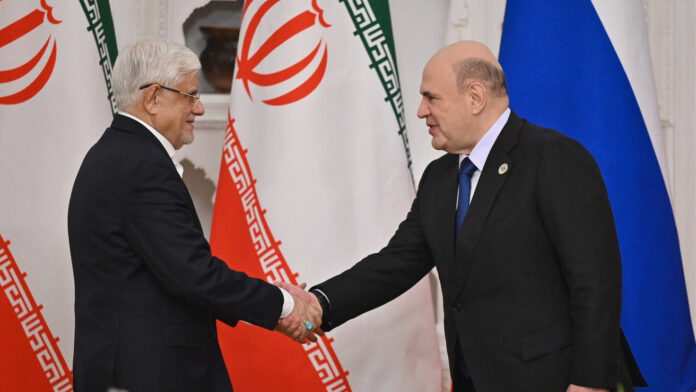
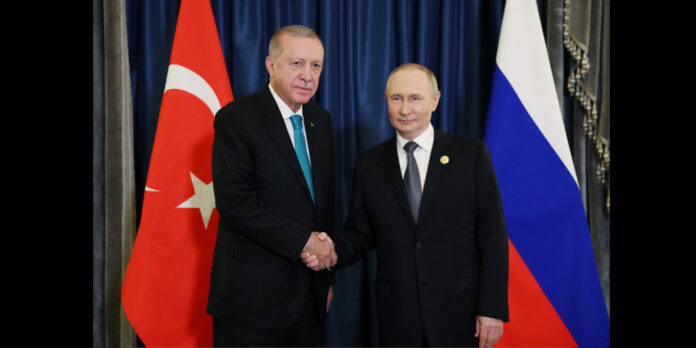
The argument quickly gained support from the countries that opposed the referral. China’s representative in Vienna said the move would “further complicate an already dangerous situation” and urged a return to diplomatic dialogue. Russia’s delegate described the resolution as “a tool of pressure, not a tool of non-proliferation,” arguing that the IAEA’s mandate was being subordinated to Western strategic objectives amid an active military conflict.
The significance of Tuesday’s vote is therefore partly structural. Iran will face formal proceedings at the Security Council in New York, but any resolution imposing sanctions requires support from all five permanent members. Russia and China have made clear they will use their vetoes. The deadlock that protected Tehran diplomatically through the 2010s is unchanged.
Under the IAEA statute, referral to the Security Council does not itself trigger sanctions. The Security Council must pass a separate resolution for binding measures to take effect. The last time this mechanism was used against Iran was 2006, when six rounds of sanctions eventually followed. Those sanctions were lifted under the 2015 nuclear deal and were never fully reinstated after the Trump administration’s withdrawal from that agreement in 2018. The pathway now is structurally narrower, with Russia and China more openly aligned with Tehran than they were twenty years ago.
What the referral does create is a formal record. The Western co-sponsors intend to use it in bilateral forums, export-control regimes, and secondary sanctions discussions with Iran’s remaining trading partners. If Iran cannot demonstrate nuclear compliance to the body charged with enforcing it, the implicit argument runs, its standing in any economic negotiation is correspondingly diminished.
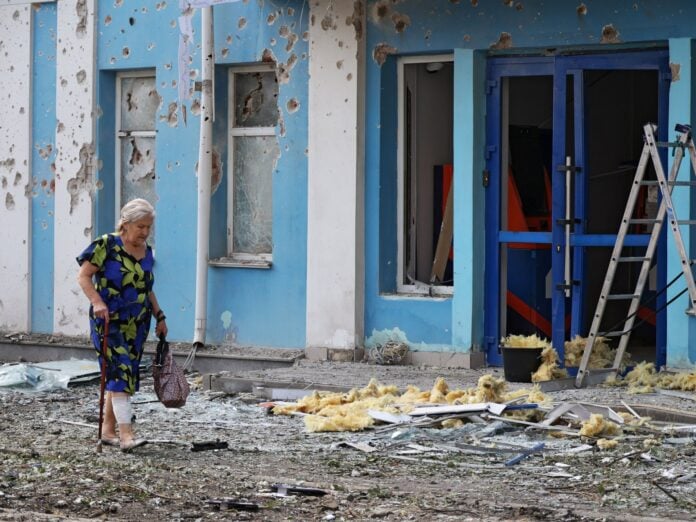
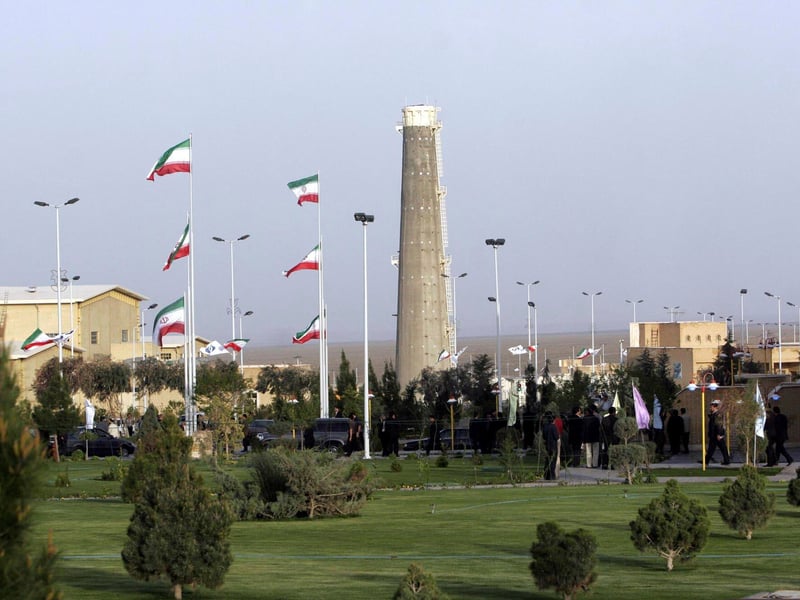
Tehran’s counter-argument is that the non-compliance record is itself a product of the war. Iran’s government has maintained that American and Israeli strikes on its nuclear facilities over the past six months destroyed or disabled the equipment that would have allowed Iranian technicians to cooperate with inspectors. The Natanz enrichment plant, the Arak heavy water reactor, and the Isfahan conversion facility were all targeted in the conflict. The cameras that went dark, Iranian officials say, were powered by infrastructure that no longer functions. On Tuesday, as Al Jazeera reported, the US simultaneously struck five Iranian tankers and Iran responded with missile strikes against a US air base in Jordan, lending weight to Tehran’s framing of a coordinated military and institutional squeeze.
The IAEA has not accepted that explanation. Director General Rafael Grossi told the Board of Governors that Iran had been given months of opportunity to restore camera access before Tuesday’s vote and that inspectors had been denied entry to facilities not targeted in any strike. Iran, he said, had “chosen to restrict rather than restore.”
That assessment shaped the 23-vote majority, which included India, Japan, South Korea, and most European board members. Several countries that voted in favour nonetheless clarified that they were not endorsing military action or sanctions, only a procedural referral. The vote registered a level of concern; it did not specify a consequence.
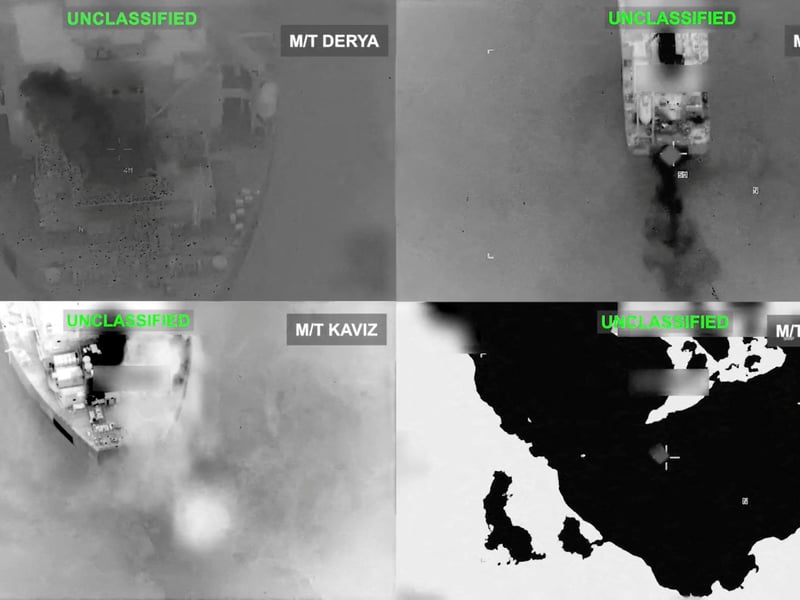
Iran’s Islamic Revolutionary Guard Corps retaliated Tuesday by firing twenty ballistic missiles at Al-Azraq air base in Jordan, a forward hub for US Central Command operations in the region. Eighteen were intercepted by US and Jordanian air defences. Two caused structural damage to a maintenance facility; the Pentagon reported no casualties. Iran described the strikes as proportionate and said further responses were forthcoming.
What Iran does next with its nuclear programme is the question the referral was designed to force into the open. Enrichment at Fordow, the underground facility near Qom, was last confirmed at 60-percent purity in a November 2025 IAEA report. Whether it has since accelerated toward the 90-percent threshold that defines weapons-grade material, or whether the disruption of Iranian infrastructure has slowed enrichment operations, remains unknown. No inspector has had access since the war intensified.
The Security Council now formally holds that question. Whether it chooses to act on it is something Russia and China will answer first.