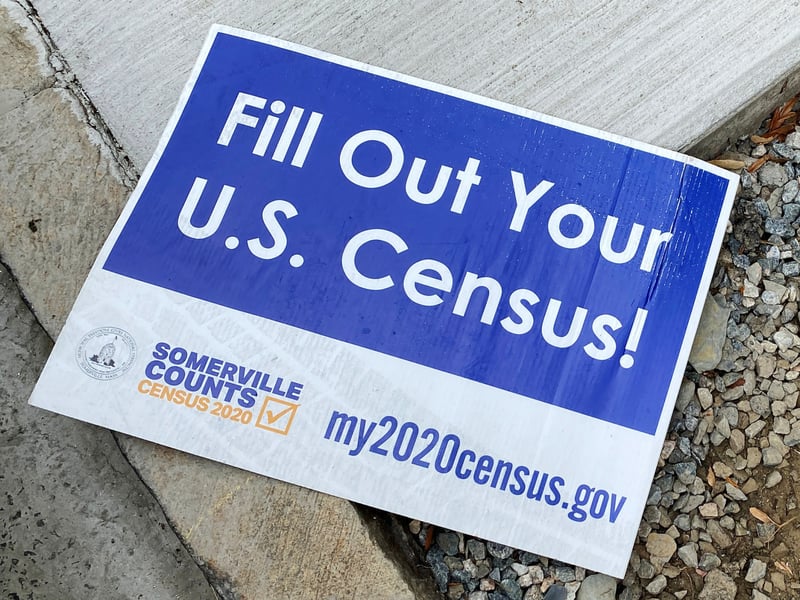

WASHINGTON — For 236 years, every U.S. census has counted everyone living in the country. Not just citizens. Not only legal residents. Everyone. The count that determines congressional representation, federal funding, and the Electoral College map has always included foreign-born residents, people with temporary documentation, undocumented immigrants, and, dating back to the founding census in 1790, people whom the Constitution itself once classified as property.
A proposed rule filed by the Trump administration on Tuesday would change that.
The Commerce Department published a sweeping revision to plans for the 2030 census that would exclude non-citizens without green cards from the population totals used to apportion congressional seats among the states. The proposal would also include people living in the country under temporary lawful status, remove questions about race and ethnicity that have appeared on every U.S. census since the nation’s founding, and prohibit the addition of questions about sexual orientation and gender identity.
The proposal comes 56 days before the 2026 midterm elections. Critics immediately pointed to the timing. If implemented, excluding non-citizens from apportionment counts would shift political power and federal funding away from immigrant-heavy urban states such as California, New York, and Texas, and toward less-populous, more rural Republican states.
“The effect, plainly, is to make millions of people invisible to the government that governs them,” said Meeta Anand, senior director of the census and data equity program at the Leadership Conference on Civil and Human Rights. She described the potential consequences as “earth-shattering.”
The 14th Amendment requires the census to count “the whole number of persons in each state.” It does not say citizens. It does not say legal residents. It says persons. That language has been upheld by every court to consider the argument, and it is the barrier Letitia James, New York’s attorney general, promised to place before the proposal once again.
“Every person living in the United States, regardless of immigration status, must be counted in the census,” James said. “We stopped the Trump administration’s census attacks in 2020, and we’re exploring our legal options to fight back again.”
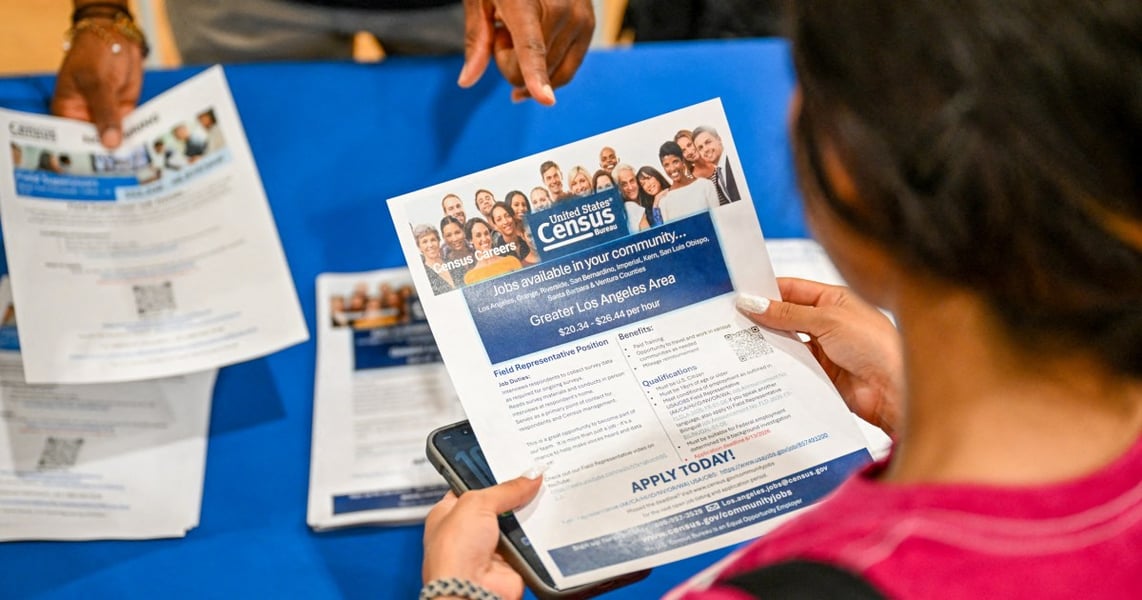
The Commerce Department’s explanation for eliminating the race and ethnicity categories framed it as a return to founding principles. Officials cited “substantial doubts about the meaning, significance, and impact” of racial categories in a modern context and argued that removing demographic questions would improve census participation. Civil rights researchers see it differently. Without reliable racial and ethnic data from the census, enforcing the Voting Rights Act becomes substantially harder. So does drawing legislative districts that reflect the racial composition of communities, as the law requires. So does two centuries of health, economic, and social research that has relied on census demographic data.
What is notable about the proposal is how many separate things it would accomplish simultaneously. By excluding non-citizens from apportionment, it dilutes the political representation of states like California, which NPR reported could lose as many as five congressional seats, while boosting representation for whiter, less-immigrant-dense states. By eliminating the race question, it removes the primary federal tool for measuring whether voting districts comply with civil rights law. By prohibiting sexual orientation and gender identity questions, it cuts off data collection that research institutions have argued is essential to tracking disparities in health care access and economic outcomes.
The administration reached the same goal through three different instruments, in one rule.
The Supreme Court rejected Trump’s birthright citizenship order in July on precisely the same constitutional ground: the 14th Amendment’s language does not carve out exceptions based on a person’s immigration status. The census proposal invites a similar challenge. The phrase “whole number of persons” has never, in 236 years, been read to mean “whole number of citizens.” The administration is betting either that the courts will read it differently this time or that the rulemaking process will survive long enough to shape the 2030 count before legal challenges resolve.
That is a long bet. The 2030 census is four years away. A new administration takes office in 2029. Any proposed rule changes must go through a public comment period, then a final rule process, then near-certain legal challenge. The path to implementation is longer than the proposal makes it appear.
Al Jazeera reported Wednesday that the proposal would specifically affect undocumented immigrants and those on temporary legal status, while citizens and lawful permanent residents would remain in the count.
What the proposal does not contain is a workable mechanism. The Census Bureau has historically refused to share individual-level data with immigration enforcement agencies; using enforcement databases to identify and subtract specific residents from a population count raises the same legal exposure as the exclusion itself. The administration has not explained how it intends to identify the people it wants to remove from the count without accessing data that courts have held the Census Bureau cannot disclose.
That gap, between the scope of the proposal and the machinery needed to carry it out, may be the most revealing thing about it. The census rule lands in the same news week as the $5,000 “Trump dividend” promise at the Dallas convention. It is part of a longer pattern: Trump’s administration attempted to exclude undocumented immigrants from census counts as far back as August 2025, without a workable mechanism then either.
Whether this becomes anything more than a proposal is a question the courts will spend years answering.