
WASHINGTON — Eleven days before a summit that Donald Trump has pitched as a cornerstone of American diplomacy this autumn, China has issued a blunt ultimatum: approve new arms sales to Taiwan before September 24, or the meeting will not take place.
The formal warning, delivered through the Foreign Ministry on Saturday, drew directly on language that Beijing has used sparingly, stating that Taiwan remains a “red line” in the bilateral relationship and that China’s position on the island is “consistent, clear and rock-firm.” The message was not addressed to Congress or to American voters. It was addressed to Trump.
The ultimatum arrives as Trump faces growing pressure ahead of November’s midterm elections, where his administration’s diplomatic record, particularly with China, has become a central Republican talking point. A high-profile White House summit with President Xi Jinping, the third Trump-Xi meeting since January, carries significant political value. Losing it to an arms dispute would carry equal and opposite cost.
What makes the Chinese warning particularly pointed is that Trump himself handed Beijing the language to use against him. In a Mar-a-Lago press appearance last spring, the president described Taiwan arms sales as “a very good bargaining chip” in negotiations with Beijing. China has now called that bluff, insisting there is no bargaining to be done on the island’s status, and that selling weapons to Taipei is not leverage but a provocation.
The dispute has been building since late 2025. In December, the Trump administration announced an $11 billion arms package for Taiwan, triggering a sharp response from the Chinese Foreign Ministry and temporarily stalling diplomatic progress on several fronts. By May 2026, with a bilateral summit in Beijing on the horizon, Washington quietly paused a $14 billion sale, an unacknowledged concession that opened the door to meetings in which Xi told Trump that Taiwan was “the most important issue” in the relationship, as Al Jazeera reported, and that mishandling it could trigger conflict.
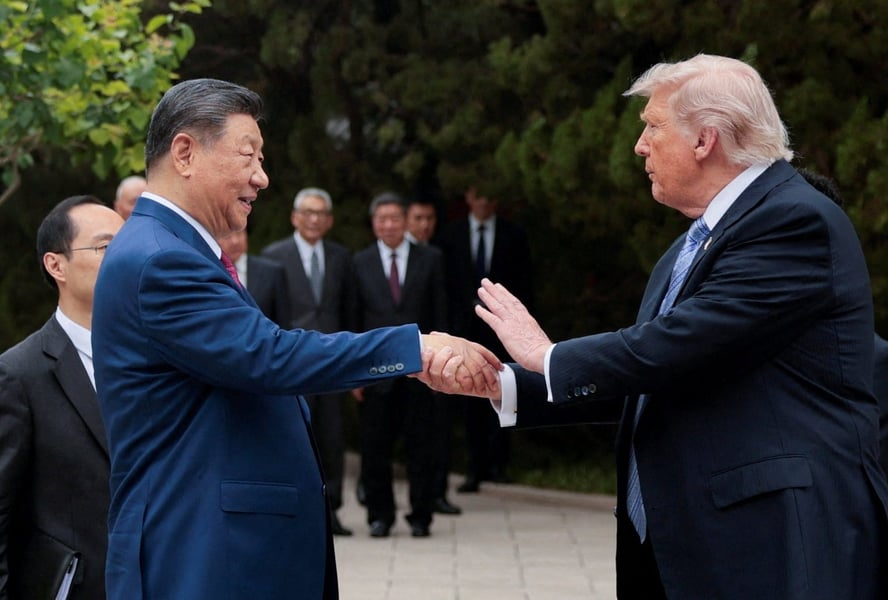
The September 24 summit was arranged during the May Beijing meetings, when Trump accepted Xi’s invitation to bring the dialogue to American soil. Administration officials framed it at the time as a diplomatic breakthrough, the first time a Chinese leader had visited the White House in more than a decade. The political symbolism was deliberate: Trump’s China policy, chaotic for much of his first term, would culminate in a state-level reception in Washington, timed to consolidate recent diplomatic progress and give his party something concrete before voters went to the polls.
China’s calculation in issuing the warning when it did, eleven days before the meeting, while there is still time for Washington to act or decline, appears designed to maximize pressure without eliminating the possibility of a last-minute retreat. If the administration declines to announce new arms sales before September 24, the summit proceeds; if it approves them, Beijing has a ready-made justification for cancellation that places responsibility squarely on Washington.
What remains unclear is whether any private understanding exists between the two governments. The Foreign Ministry warning was issued publicly, but summit negotiations of this scale rarely happen entirely in the open. It is possible that back-channel communications have already established a de facto freeze on arms announcements, and that the public warning is designed as much for domestic Chinese audiences, and for Taiwan, as it is for Trump.
Also unresolved is whether the warning carries Xi’s personal authority or reflects the Foreign Ministry’s own posture. The distinction matters: a ministry statement can be walked back without a direct presidential loss of face; a warning issued through Xi’s own communications channels is considerably harder to retreat from.
Trump’s silence as of Saturday morning was itself a form of communication. The president, who responded to the May Beijing summit with a lengthy social media post within hours, has not publicly addressed China’s warning. The administration did not issue a statement.
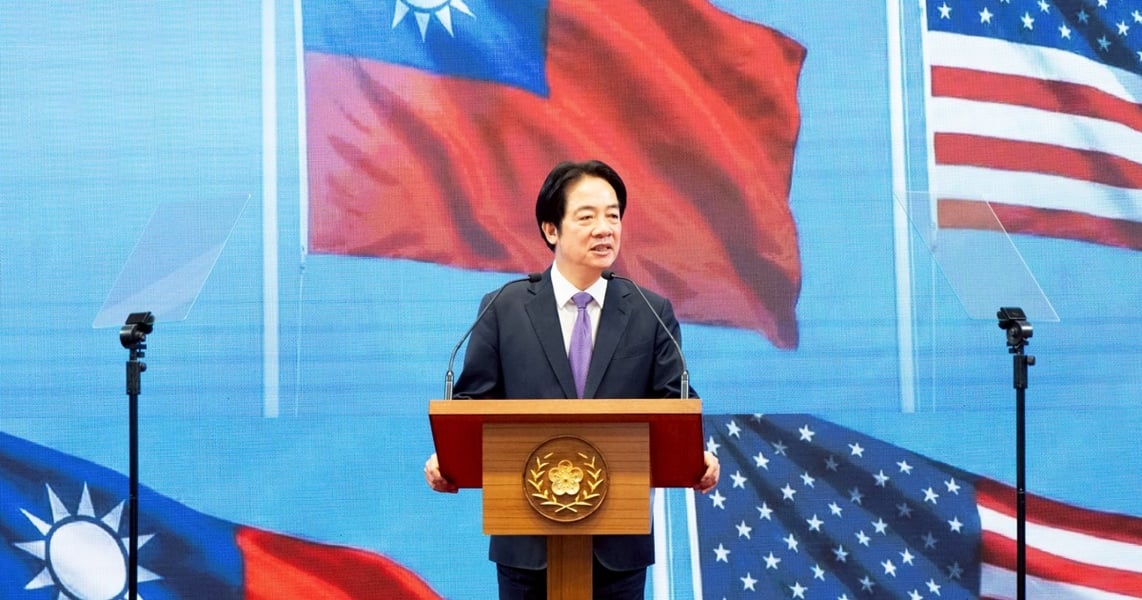
NBC News reported that Taiwan’s President Lai Ching-te said this week that the island’s ties with the United States were “rock solid,” a formulation that registered in Beijing as exactly the kind of language that makes the path to September 24 narrower. China has previously responded to such statements by accelerating military exercises near the island, sending naval formations into the western Pacific to signal displeasure.
Whether Trump chooses the summit or the arms sale, or finds a way to delay both decisions past September 24, will shape not just the optics of a midterm campaign but the structure of an Asia policy that has, for a decade, treated Taiwan’s security as both a moral commitment and, as the president himself admitted, a chip to be played.
The chips are on the table. Beijing wants them off.