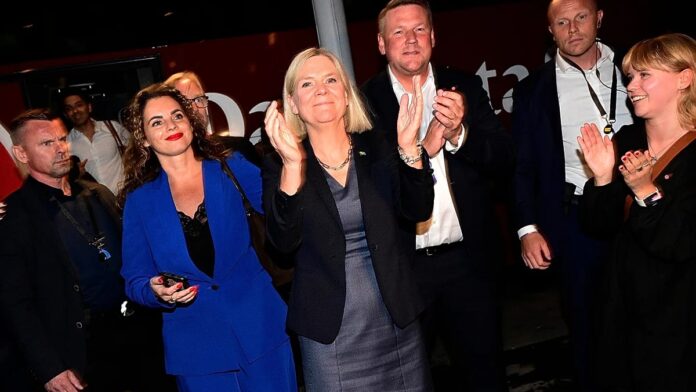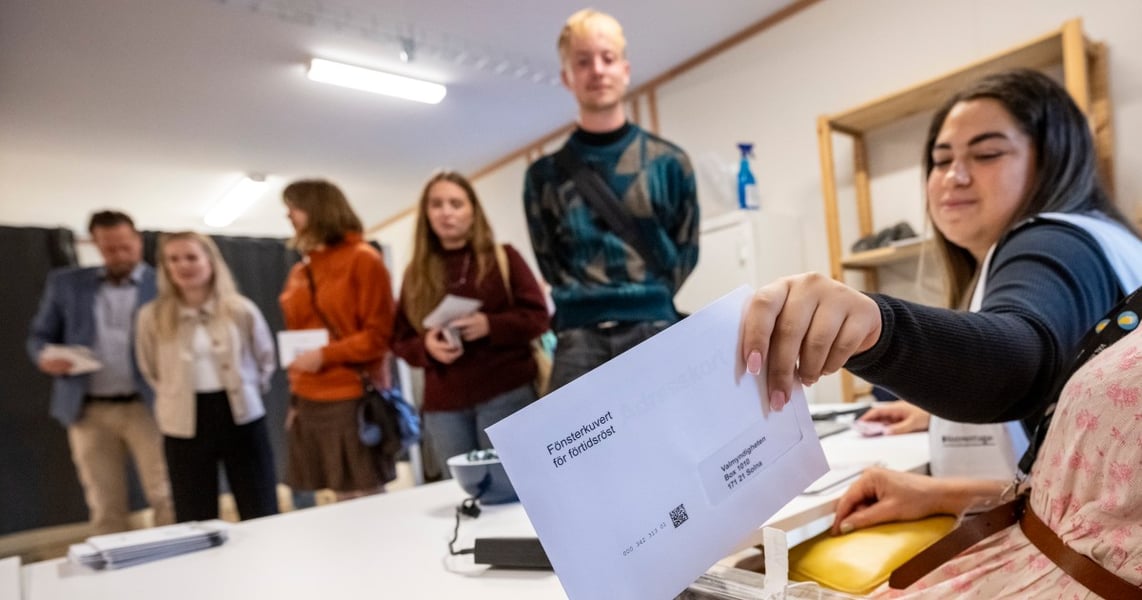

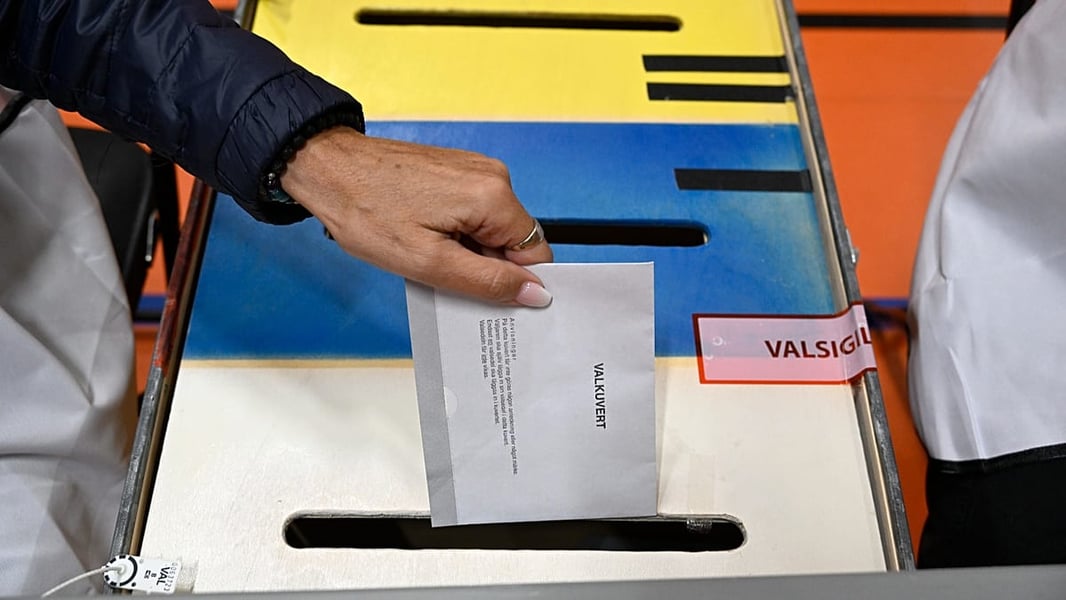
STOCKHOLM — Magdalena Andersson was among the first to cast her ballot when polling stations opened across Sweden on Sunday morning, an unremarkable act for the leader of the country’s largest party. What made it notable was what she was voting against: not only Ulf Kristersson’s centre-right government, but also the possibility that the Sweden Democrats—a party whose founders once marched in neo-Nazi uniforms—could hold cabinet posts in a Swedish government before the day was over.
That possibility is real, and the race is genuinely close. Final opinion polls placed the opposing blocs within fractions of a percentage point of one another, with the Social Democrats leading every survey but not by enough to govern alone. Kristersson’s coalition of the Moderate Party, the Christian Democrats, and the Liberals has pledged to bring the Sweden Democrats formally into cabinet if re-elected. Migration is the portfolio Jimmie Åkesson wants.
The deeper story of Sunday’s vote, however, is not simply who wins. It is what has already been decided.
Åkesson built the modern Sweden Democrats from near irrelevance in 2005, when the party won fewer than 3 percent of the vote and was effectively quarantined by every major party in the Riksdag. At the time, the consensus favoured liberal immigration, generous asylum policies, and progressive integration—a position so firmly established that challenging it carried a social cost few politicians were willing to bear.
Åkesson accepted that cost for 20 years. He expelled members with neo-Nazi associations, moderated the party’s rhetoric, strengthened its economic message, and waited.
He did not have to wait as long as he expected. The 2015 refugee crisis sent more than 160,000 asylum seekers to Sweden in a single year. The government that received them was Stefan Löfven’s Social Democrats, who first welcomed them and then, when the system buckled, introduced some of the tightest restrictions in the EU. The party that had built Sweden’s welfare model on universalism found itself arguing, internally, for the very limits Åkesson had been demanding for a decade.
Healthcare, not immigration, emerged as the dominant issue by the end of the campaign. Sixty-four percent of voters named it among their top concerns, Euronews reported, against thirteen percent for immigration and integration. That shift suits Andersson, who has positioned herself on welfare delivery while accepting, explicitly, that she will not reverse the immigration restrictions of the past decade. The Social Democrats have pledged to maintain the limits. They are campaigning on consolidating a framework they once opposed.
This is what political scientists call a preference falsification collapse: the moment a position that seemed radical reveals itself as having always been majority opinion, held privately while the public consensus looked different. Whether Kristersson or Andersson forms the next government, Swedish asylum policy will remain the most restrictive in Scandinavia. The question Sunday resolves is whether the party most responsible for that shift gets a cabinet seat to claim credit for it.
Sweden’s vote does not arrive in isolation. The EU’s asylum pact, which came into force this summer, encoded a similar logic into European law. The AfD’s historic advance in Saxony-Anhalt last week tested how close the German mainstream right can move toward accommodation with the far right without becoming it. Sweden is the next data point in a continent-wide renegotiation of where the centre sits on migration and identity.
If Kristersson wins, the Sweden Democrats move from backroom to boardroom. Åkesson has said he expects the migration portfolio and is not seeking the prime ministership. If Andersson wins, she will govern without any formal alliance with the far right, but on a platform that absorbed its core demands. In either case, the Riksdag that convenes after Sunday will be the most restrictive legislative body on immigration that Sweden has ever elected.
What remains genuinely unknown is whether Swedish voters are ratifying a historical shift they believe in or managing an anxiety they cannot quite name. Healthcare dominates the stated agenda. The election’s emotional temperature runs hotter on identity, Al Jazeera reported, documenting a country where voters across all parties reached for the same Swedish word, “tryggheten,” meaning safety, but found entirely different things in it. That gap has not closed.
Polling stations close at 8pm local time. Preliminary results are expected before midnight.