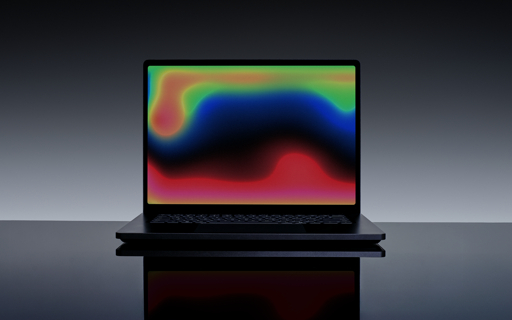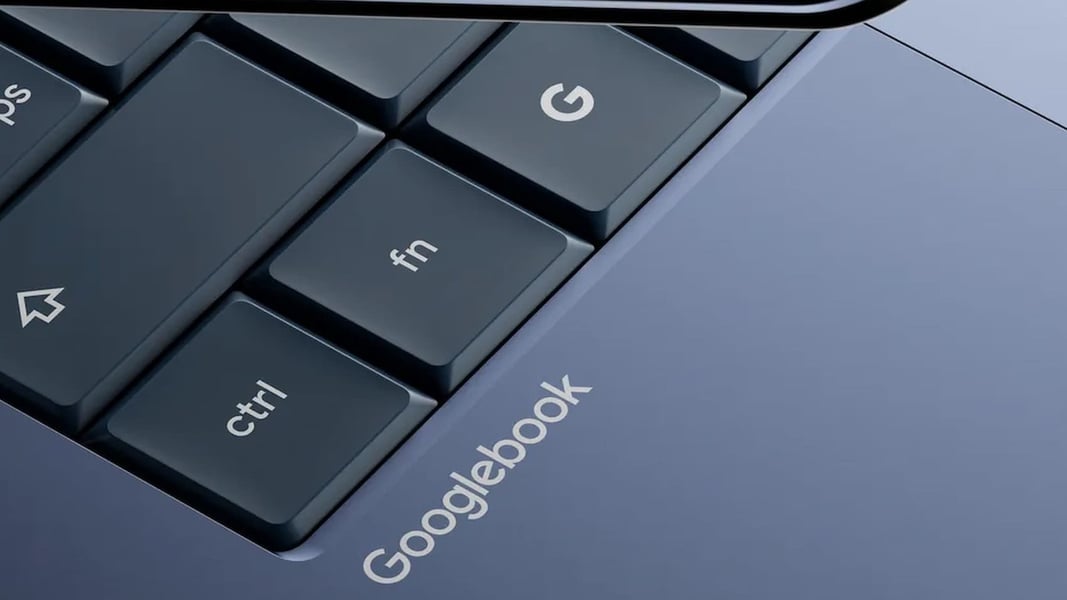

SAN FRANCISCO — Preorders for the Googlebook opened this morning and you cannot find out what they cost.
Google began accepting early orders at 9 AM Eastern through its dedicated storefront, listing configurations from Acer, ASUS, Dell, HP, and Lenovo, the five manufacturers building the first wave of laptops running Googlebook OS. What you will not find on any of those product pages is a confirmed starting price. Google has not disclosed it. The manufacturers have not disclosed it. You can click “preorder” and you can enter your email address, but how much money you will eventually part with remains, for now, a question the company has chosen not to answer.
This is not typical product behavior, particularly not for hardware aiming at MacBook territory. TechCrunch reported in May that Google was explicitly targeting MacBook pricing tiers when it unveiled the product, which makes today’s missing price figure more conspicuous, not less.
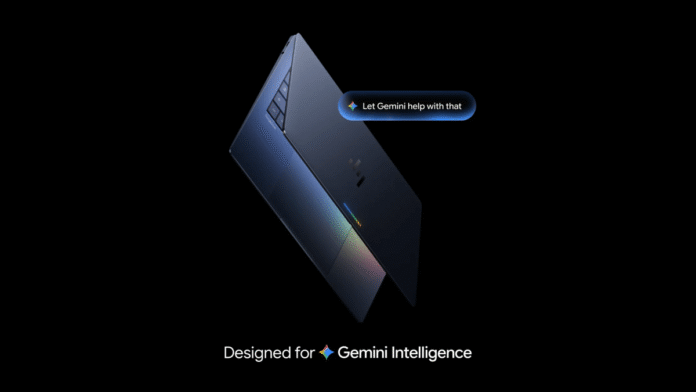
The Googlebook was announced at the Android Show in May as Google’s attempt to redefine what a laptop looks like when Android and Gemini AI are designed into it from the start, rather than retrofitted onto an existing platform. The pitch was direct: ChromeOS is dead, and this is what replaces it. But a five-month gap between announcement and the opening of a preorder page, with pricing still withheld, suggests the replacement is not fully figured out.
What Google has told us is this: the Googlebook line runs on Android-based Googlebook OS, a clean break from the Chrome browser shell that defined Chromebooks for fifteen years. Hardware partners are shipping configurations across the Intel and Qualcomm processor families. The flagship Lenovo Googlebook 15 is expected to carry an Intel Core Ultra 5 325, codenamed “Panther Lake,” with up to 32GB of LPDDR5X RAM, a 15.3-inch OLED touchscreen running at 120Hz, and a “Glowbar” ambient light strip along the hinge. None of this is officially confirmed by Lenovo or Google. It comes from a spec sheet leak.
The headline feature across the lineup is Magic Pointer, Google’s name for the Gemini-powered cursor that watches where you point and surfaces contextual suggestions when you wiggle it. Think of it as the AI assistant that lives inside the mouse. Move it over a paragraph you are editing and Gemini might suggest a rewrite. Point it at a spreadsheet cell and it might offer a formula. This is the behavior Google is betting will justify a premium price point, even if that price has not been announced.

Industry observers familiar with the supply chain have suggested configurations will start at $999, possibly higher for the 15-inch OLED models. Engadget noted that the company launched the preorder page on September 21, a date it had telegraphed for months, which makes the absence of pricing information stranger, not easier to explain.
The transition from Chromebook to Googlebook is a harder pivot than Google’s announcement made it sound. ChromeOS carved a defensible market niche by being inexpensive, secure, and simple, three things that made it attractive to schools and price-sensitive enterprise buyers. Googlebook OS runs a heavier stack. Android on a laptop still carries the muscle-memory confusion of a phone operating system asked to do desktop work: large touch targets, apps that do not always scale, a taskbar that occasionally forgets it is not a home screen. Google’s software team has spent the past year patching these gaps. Whether the patches hold under everyday use is what reviewers will document and what buyers cannot know from a preorder page.
Hardware preorders without pricing are unusual but not unprecedented—Apple has occasionally withheld exact storage-tier prices until shortly before launch. Google’s omission is broader: it has provided no base price, price range, or shipping date for the Googlebook.
Instead, the company has emphasized the product’s cultural launch. Google scheduled an “Opening Night” event in New York City for October 5, presenting it as a consumer-facing experience tied to the Googlebook’s release.
That strategy suggests Google is seeking a major cultural moment around the hardware rather than treating it as an ordinary product launch. But without pricing or delivery information, prospective buyers still lack the basics needed to decide whether to preorder.
At the Android Show in May, Google positioned the Googlebook as a direct answer to the MacBook, a premium, AI-native laptop for people who live in Google’s ecosystem. The opening of preorders is the logical next step in that narrative. The missing price is the detail that tells you how confident Google is in the comparison.