
LOS ANGELES – Among the patients Brian P. Lee sees each week at Keck Medicine of USC in Los Angeles are men and women in their 50s who drink more now than they did before the pandemic, not by choice exactly, but by accumulation. The pattern had been building in clinical observation long before a dataset could confirm it. On Monday, it got one.
A major study published in the Annals of Internal Medicine on September 22 found that alcohol consumption among American adults declined for the first time since the start of the COVID-19 pandemic, based on survey data from more than 114,000 adults between 2018 and 2024. The drop is real, and researchers are careful not to oversell it. Overall consumption remains above pre-pandemic levels. And within the headline number lives a generational fault line that the researchers describe as deeply concerning.
Between 2022 and 2024, any alcohol use among US adults fell by roughly 2 percentage points. Heavy drinking, defined in the study as more than four drinks on a single occasion for women or more than five for men, dropped by more than 8 percent in the same period.
The declines were most pronounced among younger Americans. Adults aged 18 to 29, roughly Generation Z, reduced their rate of any alcohol use by more than 5 percent in the two-year period. Millennials aged 30 to 49 cut their rate of heavy drinking by 17 percent between 2022 and 2024. For researchers, these numbers are striking, particularly given that millennial heavy drinking had actually climbed during the pandemic and remained slightly above 2018 levels even after the recent drop.

Adults aged 50 to 64 are a particular concern:
- Heavy drinking increased by more than 36% from 2018 to 2024.
- Any alcohol use rose by about 4% between 2022 and 2024.
- That recent increase contrasts with declines or flatter trends among younger adults.
The data suggest that overall improvement may conceal a worsening pattern among older middle-aged adults, whose alcohol consumption does not yet appear to be slowing.
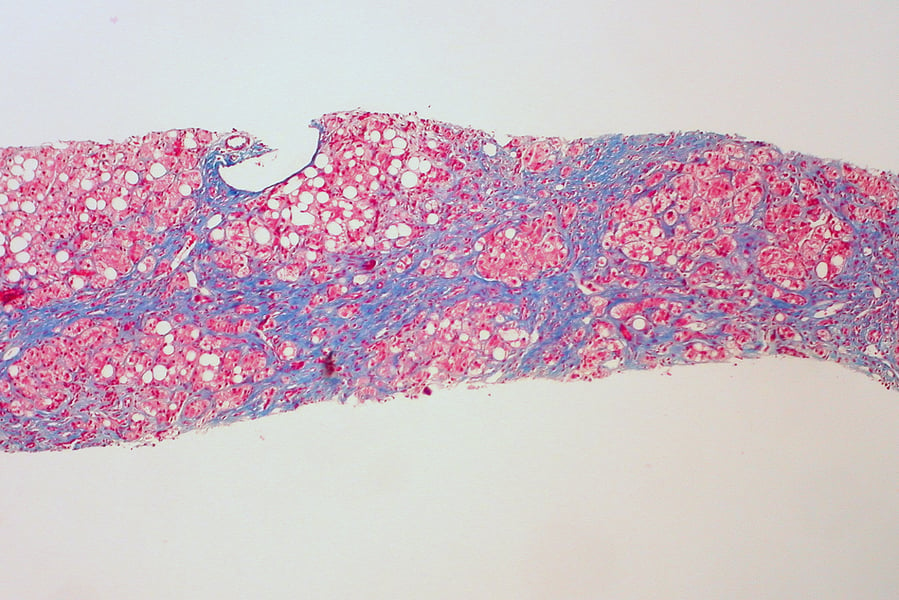
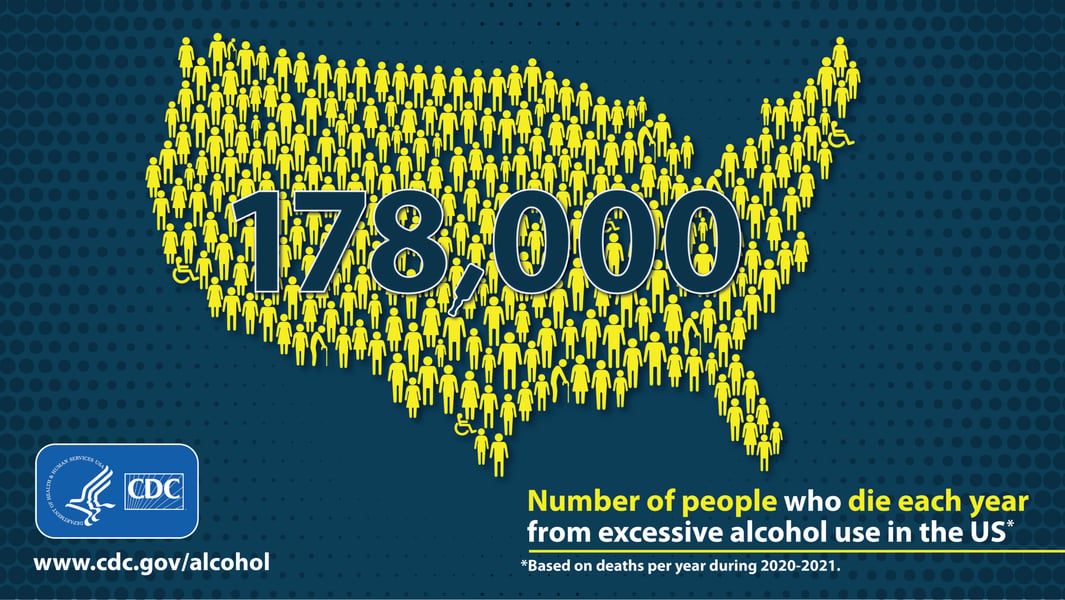
The implications are not merely statistical. Alcohol-associated liver disease has been rising sharply across the country for years, and it falls disproportionately on middle-aged Americans who have been drinking at elevated rates for longer than younger cohorts. Lee and his team noted in the study that long-term heavy drinking is linked to alcohol-associated liver disease and several cancers. The earlier the pattern begins to reverse, the more damage can be prevented.
The study also found that women reduced their rate of heavy drinking more than men over the two-year decline period. That is not a small finding. Alcohol-related health harms occur at lower levels of consumption for women, and the increase in female drinking during the pandemic had been a source of clinical concern.
Lee was precise about what one study can and cannot mean. “Seeing this first decline gives you something to hope for as a doctor, but you have to be appropriately cautious too, because one change doesn’t necessarily mean a sustained trend,” he said.
NBC News reported that Lee and his team used data from the National Health Interview Survey, a nationally representative federal dataset, covering 114,000 adults across the six-year period. The study was designed specifically to track whether pandemic-era drinking increases had begun to reverse.
What the data do not resolve is the cohort question. The adults now in their 50s who are driving the heavy-drinking increase are, in many cases, the same people who were drinking more than usual during the lockdown years and have not yet reset. Whether that 36 percent rise in heavy drinking among 50-to-64-year-olds represents a transient pandemic aftershock or a longer-term behavioral change is something the next several years of data will need to answer.

Keck Medicine of USC said in its announcement that the study was the first nationally representative analysis to document the post-pandemic inflection point in drinking behavior. The institution’s researchers will continue tracking the trend as 2025 and 2026 data become available.
The headline number may be encouraging. The number buried one level down is not.