HARRISBURG — Pennsylvania’s measles outbreak has exposed a sharp conflict between state and federal public-health authorities. Four county coroners have attributed deaths to measles or measles complications, while the CDC is officially counting none.
The dispute escalated when Pennsylvania requested a CDC Epidemiological Assistance deployment, or Epi-Aid, to support its outbreak response. But the state attached a condition: unless the CDC publicly accounts for the four deaths disputed by the administration, Pennsylvania will withdraw the request.
The standoff is therefore about more than the deployment itself. It concerns who controls the official record of an outbreak—and whether federal assistance can be accepted when the state believes the federal government is misrepresenting its human cost.
The state’s outbreak stood at 792 confirmed cases across 39 counties as of Monday, according to the Pennsylvania Department of Health. One hundred and fifty-five people have required hospitalisation since the outbreak began in Lancaster County in late April. In each of the last several weeks, roughly 100 new infections have been confirmed, a pace that public health officials say shows no sign of slowing as the school year deepens.
Pennsylvania Health Secretary Debra Bogen addressed the Epi-Aid request directly to CDC Director Dr. Erica Schwartz. The letter, as Al Jazeera reported, established a threshold: if the CDC is unable to transparently and accurately communicate information about those measles-associated deaths, the state will rescind the request. It is a conditional ask from a state that spent months refusing federal help, and it is conditional for exactly the reason that refusal was issued.
Health Secretary Robert F. Kennedy Jr. has not included a single measles death in the CDC’s national tally for 2026. After the first two fatalities in Lancaster County, the first confirmed measles deaths in Pennsylvania since the early 1990s, Kennedy said publicly that the state’s reports were fabricated. Lancaster County’s coroner issued a formal public rebuttal. Kennedy subsequently acknowledged one of the infant deaths, then resumed casting doubt on the others. A 40-year-old woman in Jefferson County died from measles-related complications on September 13, the fourth confirmed death. None of the four had been vaccinated against the virus.
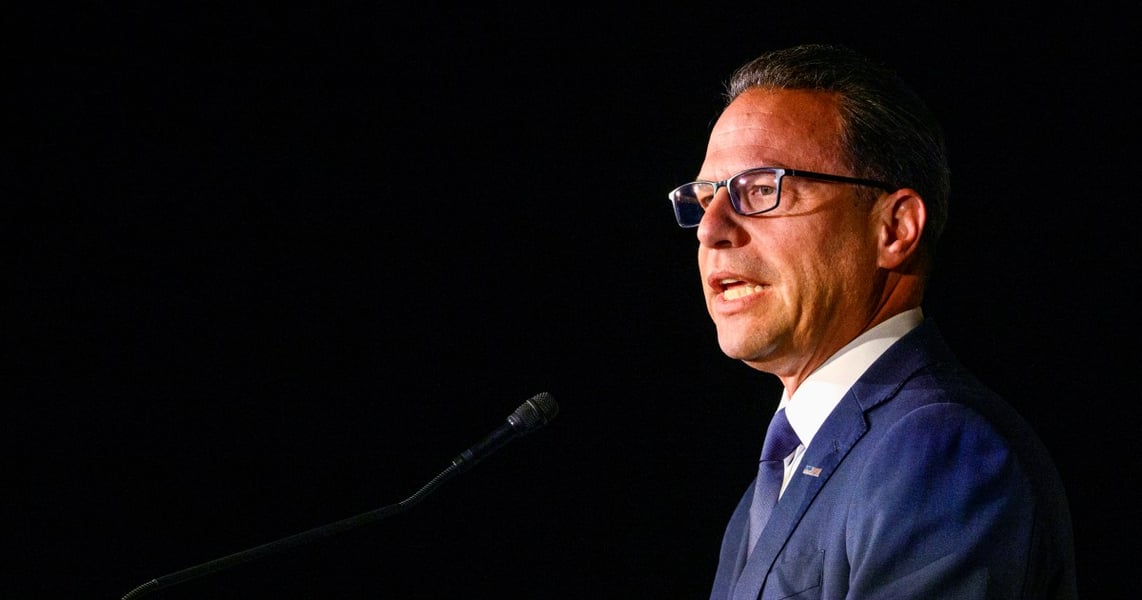
Governor Josh Shapiro declined Kennedy’s personal offer of federal assistance in August, citing Kennedy’s history of vaccine misinformation as the reason the state could not accept the help. The Epi-Aid request marks a shift in tactic, not in position. Pennsylvania is willing to accept federal outbreak investigators. It is not willing to accept a version of events in which four deaths documented by county coroners did not occur.
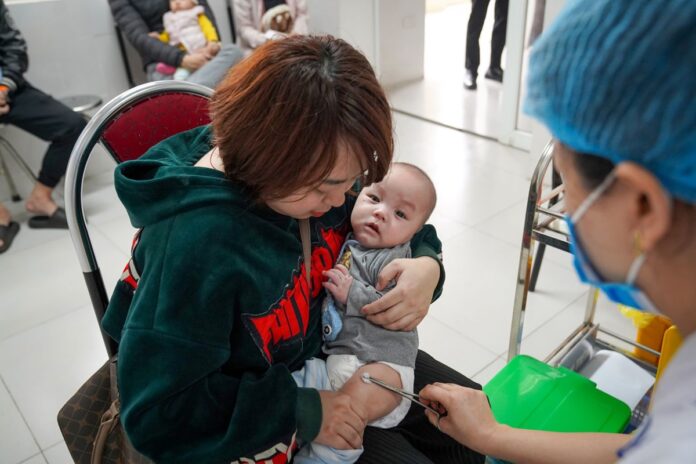
The vaccination campaign Pennsylvania has run without federal support has been substantial. Since the outbreak began, the Department of Health has administered more than 4,800 MMR doses at 148 pop-up vaccination clinics across affected communities. In August, more than 46,000 MMR doses were distributed statewide, nearly double the normal monthly volume. In the first two weeks of September, more than 25,000 additional doses followed. Two doses of the MMR vaccine prevent measles infection in more than 97 percent of recipients.

The CDC had also ended its federal measles and mumps laboratory testing programme earlier this year, at the height of the worst measles season in a generation, shifting that cost and responsibility to states. Pennsylvania absorbed those functions. It is now asking the CDC to send epidemiologists to help manage an outbreak whose progression the agency’s own policy contributed to enabling.
Nationally, 3,471 measles cases had been confirmed in the United States as of September 17. Pennsylvania’s 792 cases, nearly a quarter of the national total, have concentrated in ways that put the country’s US measles elimination status at serious risk. That Pan American Health Organisation designation requires sustained interruption of transmission. When US measles case counts neared the prior annual record in just six months earlier this year, elimination was already described as threatened. Pennsylvania’s autumn trajectory has only extended that threat.

The outcome of the Epi-Aid request has not been reported. Whether the CDC accepts the conditions, accepts without them, or lets the request stand unanswered remains open. What Debra Bogen wrote to Erica Schwartz is on the record. What Pennsylvania’s coroners signed their names to is on the record. The CDC’s national measles death count for 2026 is also on the record. Those three documents do not agree, and neither, apparently, do the two governments reading them.