
RIYADH – Saudi Arabia began pumping oil through its East-West pipeline again on Tuesday, and crude’s response was immediate. Brent settled below $100 a barrel for the first time since early September, erasing a supply premium that traders had priced in for nine days after drone strikes shut the 1,200-kilometre conduit that carries Saudi crude from the kingdom’s eastern oil fields to the Red Sea.
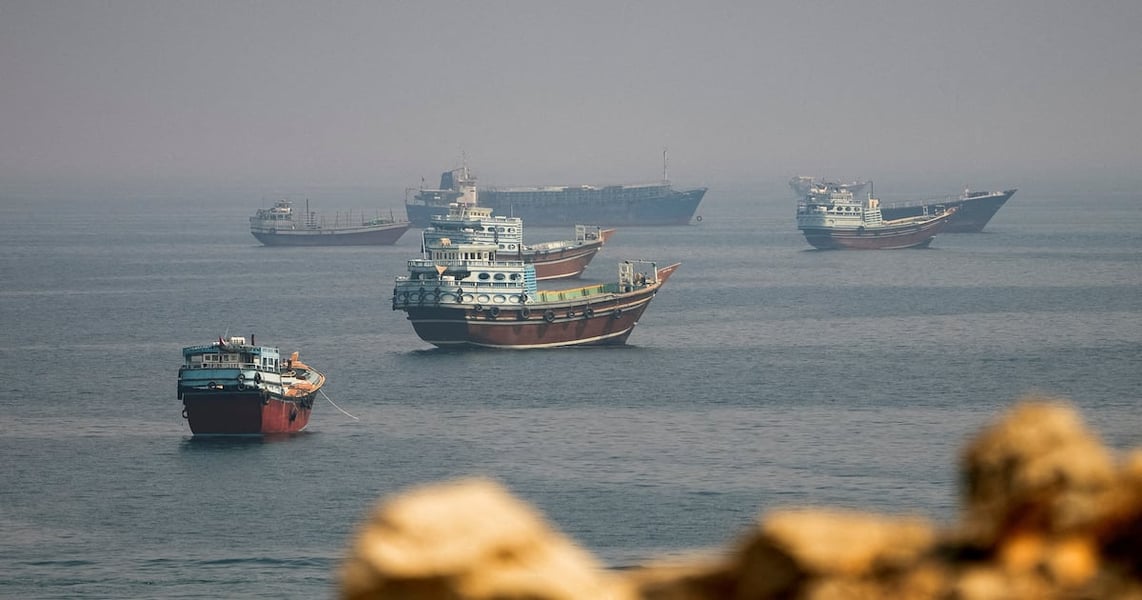
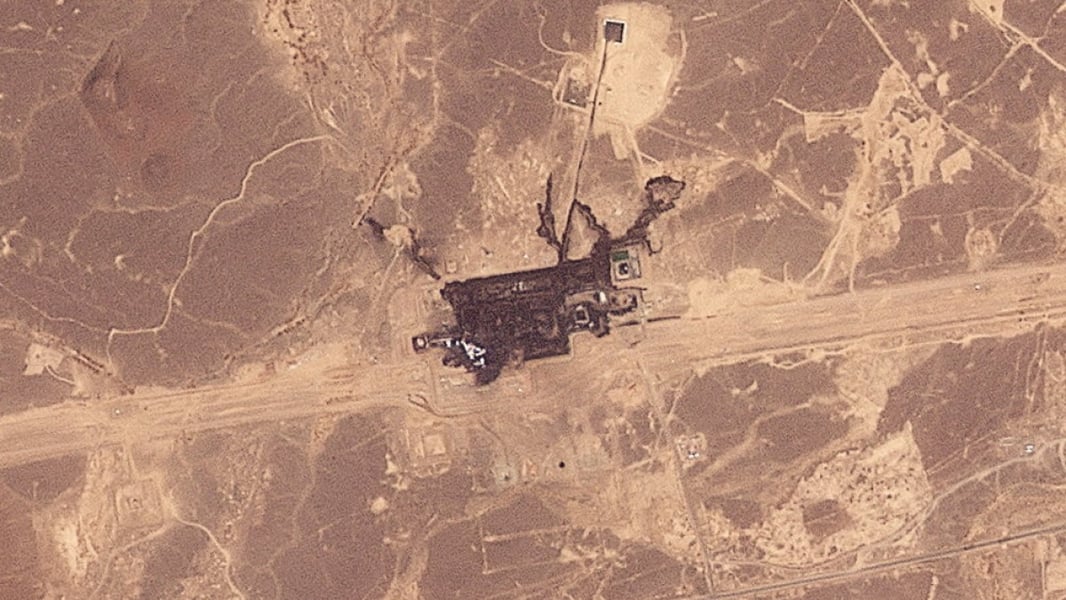
The pipeline had been offline since September 13, when attacks launched from Iraqi territory set fire to pumping stations along the route from Abqaiq to the Red Sea port of Yanbu. Saudi Arabia had been running the line at roughly 4 million barrels per day, about 4% of global supply, as its primary alternative to the Strait of Hormuz, which Iran has kept effectively closed since the Iran war began eight months ago. With both routes simultaneously disrupted, Brent had pushed toward $110.
State oil company Saudi Aramco restarted the pipeline at a low pumping rate on Tuesday morning, with a target of recovering to the full 4 million barrel-per-day level in the coming days, The National reported. A security source said full restoration of all damaged pump stations could take several more weeks. One cargo was scheduled to load at Yanbu by Tuesday evening.
Brent crude, the international benchmark, settled at $97.81 a barrel on Tuesday, its lowest close since September 8, down 2.5% on the session. West Texas Intermediate fell to $89.50, a decline of more than 3%. Both benchmarks had held above $100 for most of the previous six weeks, sustained by the combined effect of the Hormuz closure and the pipeline attack removing two overlapping routes simultaneously.
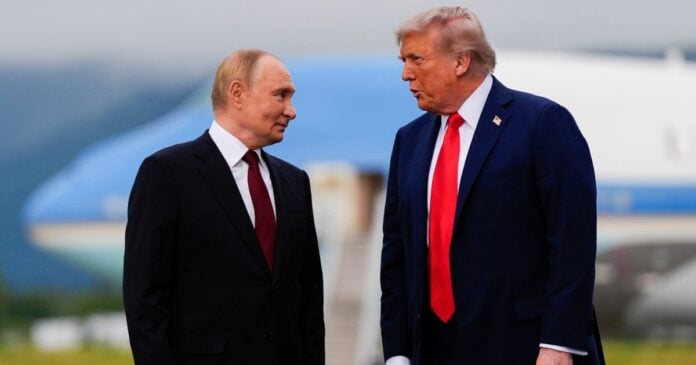
The pipeline restart was not the only force pushing prices lower. At the United Nations General Assembly in New York, Donald Trump delivered an ultimatum to 193 governments earlier in the day, but separate diplomatic signals from Tehran were also circulating at the margins of High-Level Week. Iran’s security chief, Mohsen Rezaei, conveyed conditions to mediators for re-engaging in negotiations, Al Jazeera reported, raising the possibility that the Strait of Hormuz could reopen if those conditions were met. Oil markets appeared to price in both developments simultaneously: a physical supply recovery from the pipeline, and a political supply relief from a diplomacy track still well short of any agreement.
For Saudi Arabia, the pipeline’s recovery matters strategically as well as commercially. Before the tanker war escalated through the Gulf this summer, the East-West line was a strategic reserve that Riyadh could activate if Hormuz was disrupted. Once Hormuz closed, the pipeline became operationally essential, the primary route through which Saudi crude reached Asian buyers without passing through contested Gulf waters. When drone strikes shut it on September 13, Saudi Arabia shifted some exports back through the strait under naval escort. That partial rerouting had limited scale: Saudi crude moving through Hormuz averaged 2.9 million barrels per day in the six days to September 18, Daily Sabah reported, up from roughly 700,000 barrels per day in August. Restoring the pipeline reinstates the routing flexibility Aramco had lost.
Oil prices had already begun declining before Tuesday’s pipeline news. Brent fell more than 2% on September 21 after Trump signalled openness to Iran talks, which markets read as the first material softening of Washington’s diplomatic posture since the conflict began. The pipeline restart extended and deepened a move already in progress.
The market’s open question is whether the decline holds. The East-West line is operating at a fraction of its 4 million barrel-per-day target, and complete restoration of all pump stations could take weeks. The Iran risk premium that dominated Brent’s pricing structure since April has been eroding since UNGA week opened, but neither of the two conditions required to eliminate it, full pipeline restoration and a Hormuz reopening, has yet been confirmed.
Iran’s conditions for a diplomatic settlement include an end to hostilities, the release of frozen assets, and the lifting of the US naval blockade. Washington has not confirmed direct contact with Tehran. Iran has not confirmed any intention to negotiate. What changed on Tuesday was the price the market assigns to uncertainty about both. Whether that pricing revision lasts will depend on whether the gap between market optimism and the actual state of pipeline repairs and diplomatic progress closes, and in which direction.