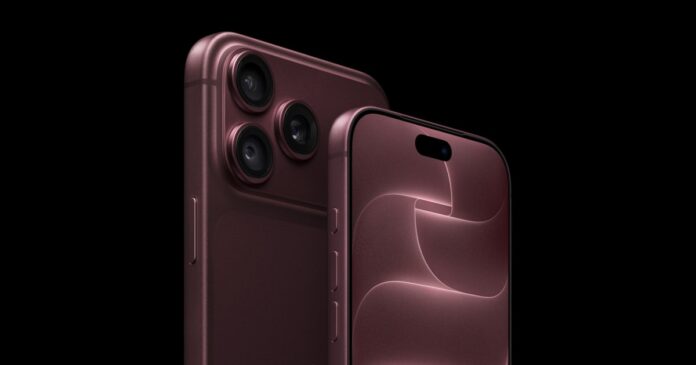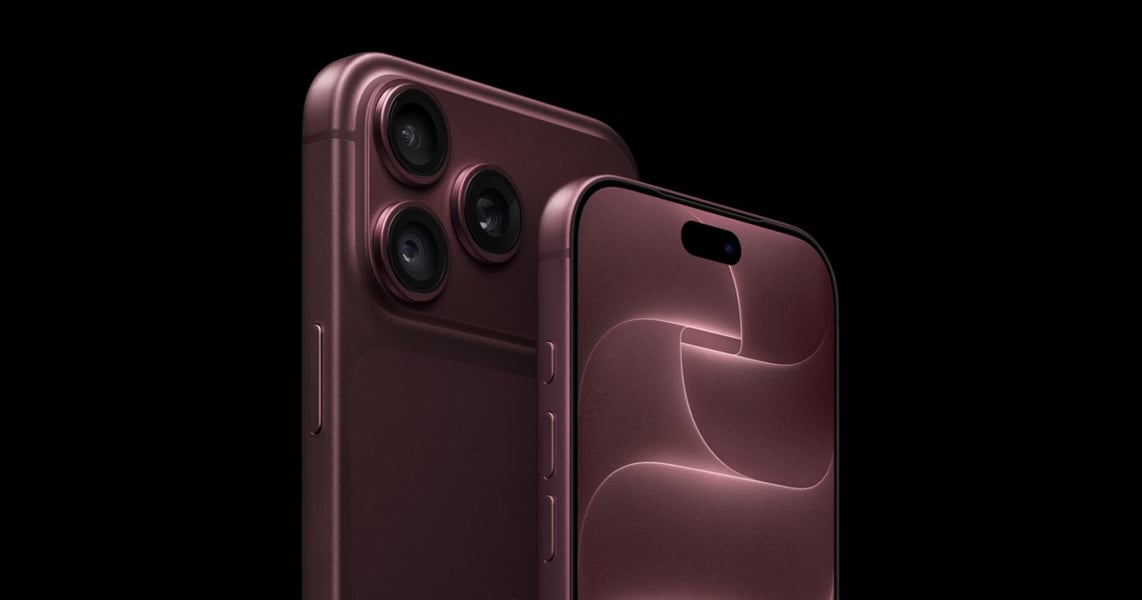

CUPERTINO, Calif. – Apple has asked some of its suppliers to build fewer parts for the two most expensive iPhones it launched last month, a quiet adjustment that says more about what buyers will pay for a premium phone than anything shown on stage in September. Nikkei Asia reported on Friday that the company told select suppliers to trim component production for the iPhone 18 Pro and iPhone 18 Pro Max, according to a report that MacRumors and others relayed within hours. Apple had not commented when the report appeared.
Memory chips, not cameras, sit at the center of it. Nikkei attributed the pullback to soaring memory costs, which pushed up prices and dampened demand for the Pro models. In its analysis, Fortune tied the squeeze to an AI-driven memory shortage that has pushed smartphone prices to record highs. A phone that costs more to build gets a higher sticker price, and a higher sticker price loses some shoppers on the way to the checkout.
The figures are specific. Citing multiple people familiar with the matter, Nikkei said October component orders for the two models are at least 15% below what Apple first requested. One executive-level source put the cut at 15% to 20% for both phones and offered a caution: “we don’t know how things would develop from here.” Apple, Nikkei said, has been more conservative on shipments since early September.
The cuts land unevenly. Some suppliers will feel them in October and others will not, depending on production lead times and inventory, and it is unclear whether Apple will cut further from November. That gap is the first thing a reader should hold on to: a trimmed order book in one month is a signal, not a verdict.
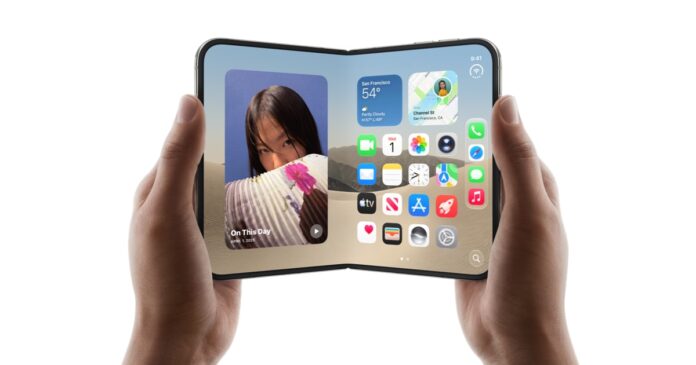
Apple chose a different launch rhythm this year. At its Surprise and Shine event, the company unveiled the iPhone 18 Pro and the foldable iPhone Duo, with the standard iPhone 18 not expected until spring. One supply chain manager told Nikkei that demand is “not as strong as previous years when all the new models are introduced all together.” The staggered lineup may be spreading demand across the year rather than concentrating it in the weeks after a September keynote.
The price tag matters here. The iPhone 18 Pro starts at $1,199.99, a figure that appeared in a guide to launch-weekend carrier deals from Gizmodo, where a T-Mobile promotion brought the phone to zero for eligible customers. Promotions that deep are one way carriers chase volume. They do not, on their own, show that demand is weak.
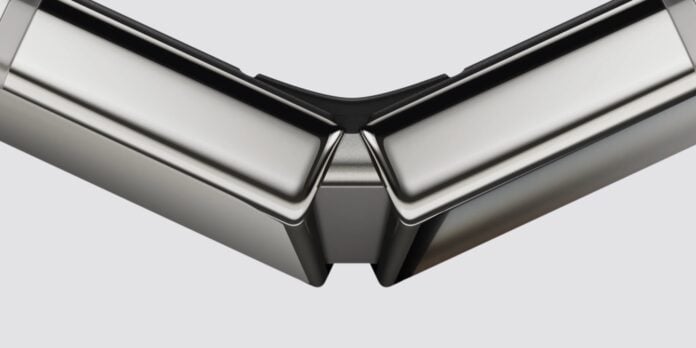
The foldable is next. The iPhone Duo, which starts at $1,999 in the US as our pricing comparison showed, goes on sale later this month. One person quoted by Nikkei said they expect a similar fate for the Duo soon after it becomes available. That is a single anonymous view, and Nikkei reported last month that Apple has been working with suppliers to improve yields on the folding display.
The timing is awkward for John Ternus, who took over as chief executive at the start of September and is now managing his first full product cycle. Apple is also changing what goes inside its phones. Its in-house C2 modem arrives in the iPhone Duo and iPhone 18 Pro, though a teardown found the US Pro Max still carries Qualcomm silicon. Which components Apple trims will matter to individual suppliers more than the headline percentage, and Nikkei did not name them.
What remains unknown is the part that matters most. Apple has not published unit figures, Nikkei’s sources are unnamed, and the company’s own sales numbers for the new phones will not arrive until it reports quarterly results. For now, the only hard number is 15%, and it describes what Apple asked for, not what customers bought.